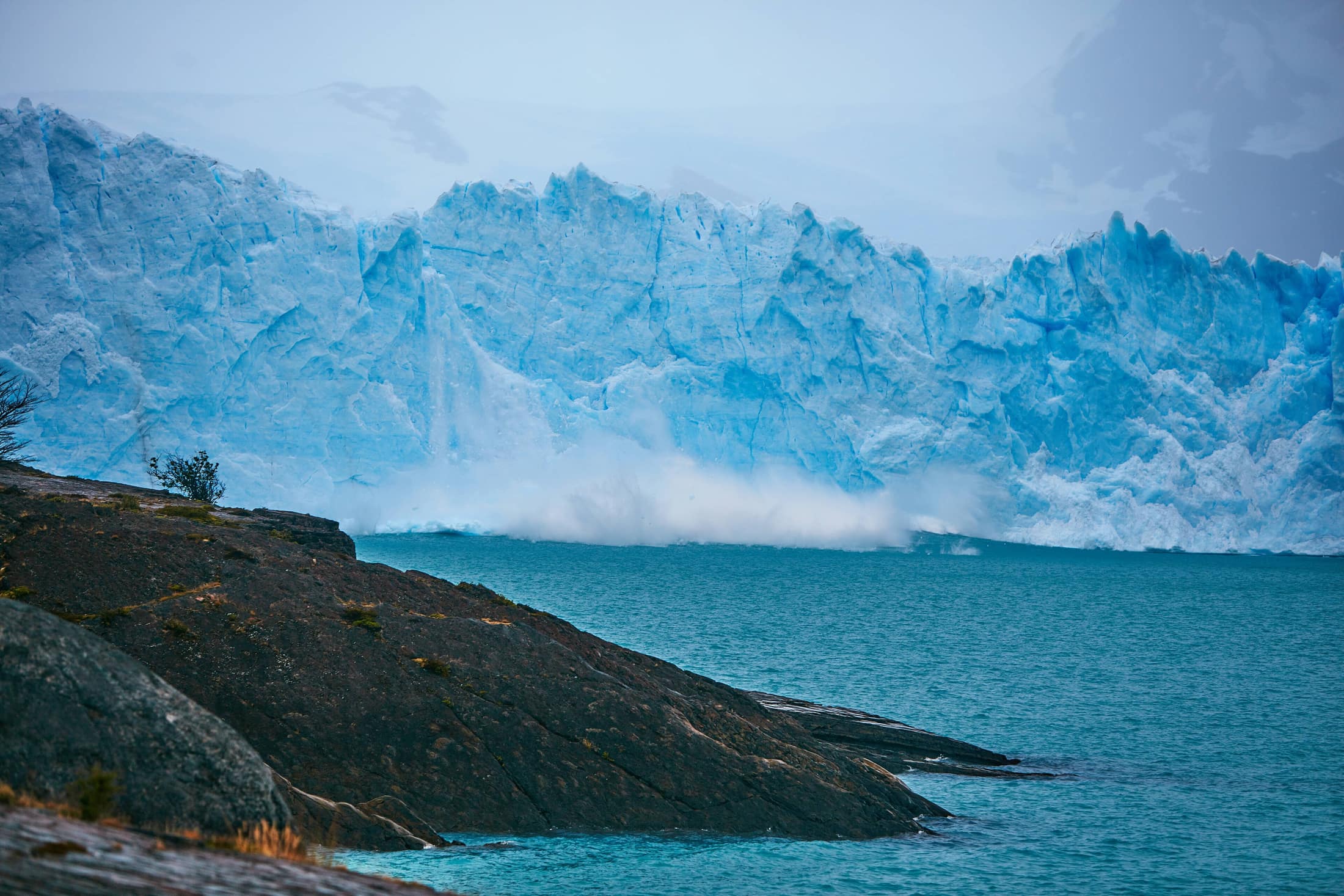
Pricing
What the number means
Every bookable page carries a per-person range and a paragraph explaining what sits inside it. Ranges are indicative until confirmed in writing, and several expeditions carry no price at all because we cannot honestly publish one.
The bands
Per person sharing, excluding international flights. These are where the catalog actually sits, not aspirational tiers.
$4,200 – $6,000
Short highland and coastal programmes
Six to eight days in Mesoamerica, the Caribbean islands, or the Andean foothills. Private guide and vehicle, boutique or finca lodging, community and park fees paid at source. Often a premium on ground that can be travelled far more cheaply — the pages say so where that is true.
$6,000 – $9,000
The centre of the catalog
Eight to eleven days with real logistics behind them: certified guiding, specialist naturalists or archaeologists, permits booked months out, and lodges that are genuinely the best available rather than the best marketed.
$9,000 – $14,000
Remote, technical, or capped
Glaciated peaks, multi-day supported expeditions, crewed boats, and destinations where supply is legally limited. The cost sits in guide ratios, support teams, charter logistics, and mandatory public fees.
$14,000+
Lodge-true Patagonia and private charter
Where the destination itself sets the floor. Peak all-inclusive rates at the top Patagonian explorer lodges run well past $1,500 per person per night, and a full private yacht charter in the Galápagos is a six-figure week. We show you the underlying rate rather than hide it in a package.
Generally included
- Private guiding at the certification the terrain requires
- Park, reserve, and site fees we can prepay. Where a fee has to be paid at a gate, the trip page says so
- Community access payments, paid to the community
- Accommodation as written: lodges, estancias, casas, river boats, refugios, or tents, with no quiet downgrade on a hard night
- Meals from dinner on the first day to breakfast on the last, except where we leave a town dinner open on purpose
- Ground and river transport, and internal boat or ferry legs on the route
- Camp equipment, pack animals, porters, and cook teams where used
- Satellite communications and a written evacuation plan on remote routes
- Contingency days and a named alternative objective where conditions demand it
Generally excluded
- International flights, and most domestic flights unless bundled
- Travel insurance. Mandatory on high and remote routes, and it must name the activity and the altitude — a standard policy that excludes trekking above 4,000 m is not cover
- Personal technical clothing and boots, though rental lists are supplied
- Vaccinations, antimalarials, and medical consultation. Altitude medication is a conversation with your own doctor; we do not prescribe
- Visas where required, and border fees on multi-country routes
- Any wildlife sighting, summit, or weather outcome
- Access to ground that is closed by a park authority or a community
- Tips. We send a suggested scale before you travel and then stay out of it
- Single occupancy, unless you ask us to quote it
What moves a number
Party size
The single biggest lever. Two guests carry a guide, cook team, and vehicle between them; six spread the same cost. A two-person departure often sits near the top of a band and a family of six near the bottom.
Season
Peak weeks cost more and sell out earlier — Patagonia in December and January, the Inca Trail in June to August, Uyuni in February. Shoulder months are frequently better travelling and materially cheaper.
Lodge versus camp
On several routes the same ground can be walked from a lodge or from a private camp, and the difference is thousands. We price both and tell you which nights are which.
Guide ratio
Glaciated terrain is priced at one-to-one or one-to-two because that is what it takes to turn around safely. That ratio, not the mountain, is most of the cost.
Mandatory public fees
Some destinations levy real money before you spend anything: $200 plus a $20 transit card in the Galápagos, a per-day environmental tax plus a park ticket at Fernando de Noronha, park passes across Patagonia.
Charter and remoteness
Light aircraft, crewed vessels, escorted logistics, and evacuation standby dominate the cost of the remote programmes. On a couple of them it is the reason there is no published band.
Why 8 expeditions have no price
These are inquire-only, and it is not a sales device. Access depends on compliance screening, a current security picture, a capped permit, or community consent that can be withdrawn. Publishing a bookable band would imply we can sell you something we may not be able to deliver — and on two of them we suppress the range entirely and quote only after clearance.
- Mosquitia River CrossingHondurasOn inquiry
- Darién Emberá EdgePanamaOn inquiry
- Amazon Putumayo RiverColombiaOn inquiry
- Galápagos Island CrossingEcuadorOn inquiry
- Manu Amazon RiverPeruOn inquiry
- Fernando de Noronha Ocean CircuitBrazilOn inquiry
- Cuba Sierra Maestra AscentCubaOn inquiry
- Cuba Viñales Valley CircuitCubaOn inquiry
Where the catalog starts
The four lowest bookable floors, from $4,200.
Three ways to travel the same route
Same bones, different economics. Which one you want usually decides where in the band you land.
Small group
A fixed departure, capped at eight to ten depending on the terrain and on what the permit allows. The low end of the band, and no single supplement to carry. You travel to our calendar rather than yours.
Private
Your dates, your pace, the same route. It costs more because the guide, the cook team, and the vehicle still turn up for two. At four or more the gap narrows considerably.
Custom
A brief rather than a slug. We reply with fit, a rough band, and whether we would actually run it. We will lift days from the catalog where they work; we will not staple three trips together and call it a design.
What party size actually does
The single biggest lever, and the one most quotes hide. A guide, cook team, vehicle, and permit block cost roughly the same whether two people or six are sharing them. Illustrative, for a private mid-band itinerary:
| Party | Where in the band | Why |
|---|---|---|
| 2 guests | At or near the ceiling | Two people carry the whole fixed cost of guide, cook, vehicle, and permits. |
| 3–4 guests | Upper middle | Fixed costs spread, but still one vehicle and one guide team. |
| 5–6 guests | Lower middle | The efficient point on most routes before a second vehicle or guide is needed. |
| 7+ guests | Near the floor, with caveats | Cheapest per person, but some routes cap party size by regulation and a second guide changes the maths. |
Several routes cap party size by law rather than by preference — Actun Tunichil Muknal enforces guide ratios, Corcovado’s Sirena station has a hard overnight quota, and glaciated summit days run at one-to-one or one-to-two. On those, a larger group does not reduce the price much because it does not reduce the guiding.
Travelling solo
Bands are quoted per person sharing, so a single traveller carries a room supplement plus the whole of the fixed cost. In practice a solo private departure on a mid-band itinerary lands well above the published ceiling, and we would rather tell you that in the first reply than after you have set your heart on it.
Two things usually help. On routes where we run small-group departures, joining one removes the supplement entirely. And on the trekking circuits, a shared refuge or camp night carries no supplement at all because there is no single room to buy — the mountain does not have one.
Currency and payment
Quotes are in US dollars and hold for the period stated on the quote. A deposit confirms a departure and the balance falls due before travel; a typical structure is around a third at confirmation with the balance roughly two months out, but the binding schedule is the one written into your agreement, because permit deadlines move it. Where a park or vessel demands full payment months ahead, we say so rather than absorb it silently. Nothing is held and no money is taken before you have that agreement.
Third-party costs that move are passed through at the rate in force and shown as separate lines rather than absorbed quietly — park and reserve fees, public environmental taxes, and domestic airfares. Where a government raises a fee between quote and travel, you see the delta.
What a per-day figure actually contains
Each trip page shows a rounded per-day rate alongside the band, because that is how most people compare lodge-based travel. It is a division, not a tariff: an expedition’s cost is not spread evenly across its days. A twelve-day Patagonia programme concentrates cost in the lodge nights inside the park; a Cotopaxi itinerary concentrates it in two days of one-to-one glacier guiding after a week of comparatively cheap acclimatisation. Use the figure to compare trips against each other, not to price a day you might drop.
Terms, plainly
How the money actually works
There is no online checkout on this site. An inquiry is not a booking and holds nothing. A journey is confirmed only after a written agreement covering the itinerary, the inclusions, the deposit schedule, and any waivers or medical disclosures the route requires.
Quotes are per person sharing in US dollars and hold for the period stated on the quote. Third-party costs that move — park fees, public taxes, domestic airfares — are passed through at the rate in force, and we show them as separate lines rather than absorbing them quietly.
If you cancel, a deposit is neither a souvenir nor a trap. Outside the balance window we refund it less a planning fee and any park, permit, or charter cost already committed and not recoverable. Inside that window the balance is at risk unless the space resells. Those exact figures live in your agreement, and this is the clause travel insurance is actually for.
Where we cancel because a park closes, a permit falls through, consent is withdrawn, or an alert makes a route unsafe, you are refunded for everything we have not already committed on your behalf, and we will say precisely what that is. We would rather rewrite a day, or return your money, than manufacture a summit.
Questions we actually get
Everything else →- Why is the same trip cheaper in one month than another?
- Weather windows, park fees, and whether a boat, a mule string, or a charter fills. Patagonia in November is not Patagonia in January, and Amazon high water changes the boat rather than just the view. We will tell you which end of the band your dates sit on before you send anything.
- Do you hold a date while I decide?
- Not informally. Where a permit or a refuge bed is the scarce thing — Inca Trail permits, Torres del Paine beds, Sirena bunks — holding it means buying it, and we will say so rather than let a date quietly disappear while you think.
- What if I am not fit enough when I arrive?
- We would rather find that out in the first reply than at 4,200 m, which is why the fitness bar on each page is written to be taken literally. In the field the guide can shorten or reroute a day, and that call is not overruled from an office. A refund for a day you chose not to walk is not something we offer.
- Can you get me onto something that is closed?
- No. Where a park caps numbers, assigns its own guides, or shuts a route, we work inside that. We do not buy past a closure, and if a quota is gone the date is gone.
- I work with a travel advisor. Does that work?
- Yes, and it is common. Your advisor keeps the relationship; we design and run the ground. Ask them to write to us directly and we will sort the commercial arrangement between us rather than through you.