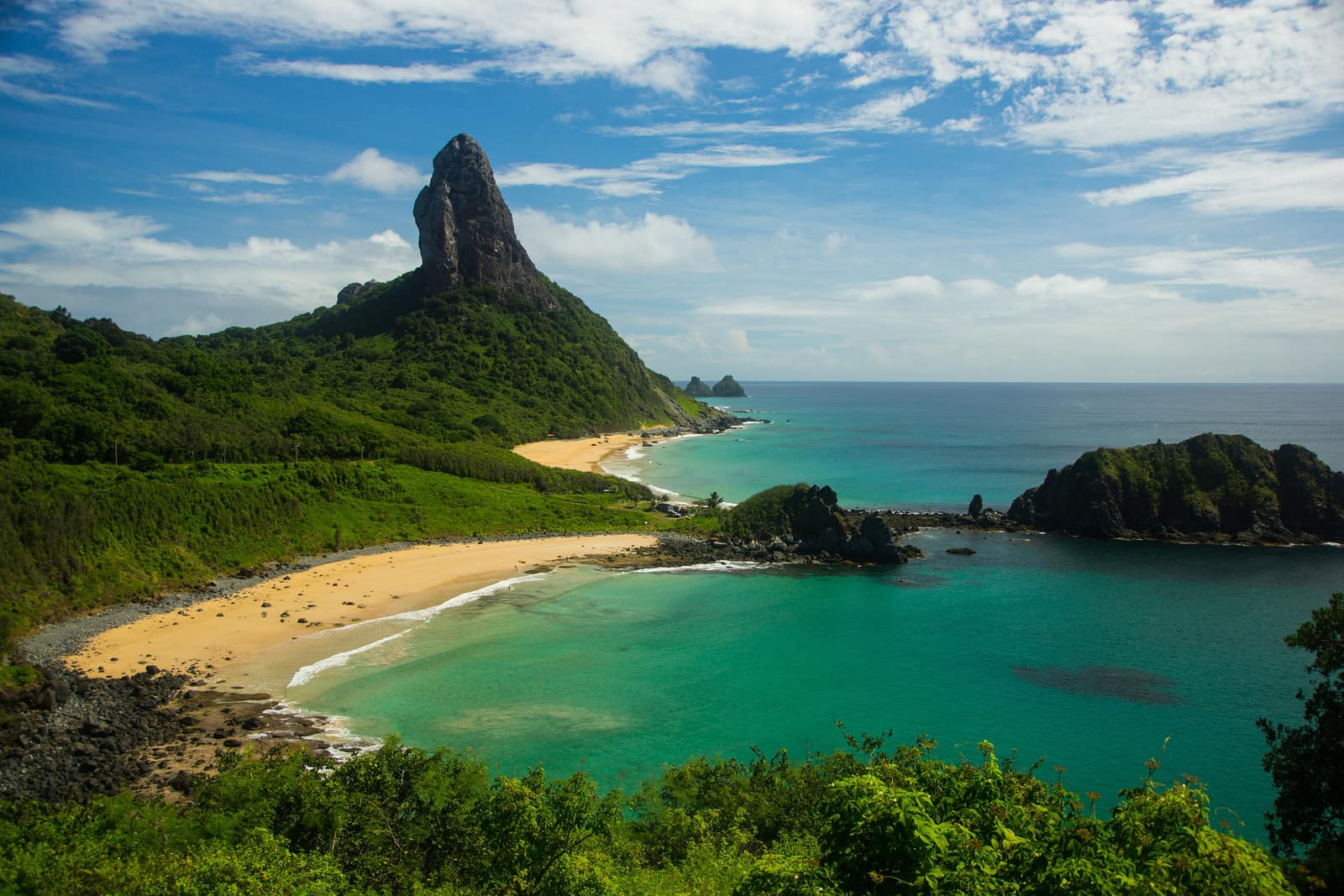
Fernando de Noronha Ocean Circuit
Fernando de Noronha
Volcanic islands hold some of the Atlantic's clearest water. Spinner dolphins work the bay; cliffs catch trade wind and seabirds.
By invitation
This one is inquire-only and stays that way. Whether it can run at all turns on a permit cap, a compliance regime, a current security read, or consent held by the community whose ground it crosses. Read the access notes, tell us what you have in mind, and we will give you a straight answer — including no.
- Days
- 7
- Effort
- Easy
- Window
- Aug–Dec
- From
- On inquiry
The ground
Noronha is a volcanic archipelago 350 km off Pernambuco, and about 70% of it is a marine national park. Water temperature holds between 27 and 29 °C year round and visibility in the settled months runs 30 to 50 metres, numbers that beat most of the Caribbean comfortably.
The constraint is capacity, and it is why this is inquire-only. State and federal rules cap the main island at roughly 11,000 visitors a month, enforced through flight seats and accommodation licensing, which works out near 360 people a day. Every visitor pays a daily environmental preservation tax that escalates with length of stay, plus a separate ICMBio marine park ticket.
Baía dos Golfinhos is closed to swimmers because the resident spinner dolphins rest there. They have been tracked for over three decades. You watch from the Mirante. That kind of rule is the whole reason the place still works.
Fernando de Noronha, Pernambuco, Brazil. UNESCO World Heritage with Atol das Rocas. Working elevation runs Sea level; Morro do Pico to 323 m. That profile shapes sleep, pace, and how early the group needs to move. The published window: August through December for visibility and calm. Operable in other months with rougher seas and lower clarity. We will tell you which sites that closes. Within that window, day order still flexes with weather and access.
Visitor numbers to the main island are capped at roughly 11,000 per month under state and federal rules, enforced via flight seats and licensed beds. The Taxa de Preservação Ambiental is charged per day and escalates with length of stay. The marine park ticket is separate, priced higher for foreign visitors, and valid ten consecutive days. Private guiding and private dive arrangements, staying in the better pousadas. Everything hinges on securing quota and beds first. This is the operating shape of the trip: private enough to reorder days, constrained enough that permits and local rules still set the ceiling.
Shape of the days
A shape, not a script. Order and pacing move with weather, permits, and how the first days actually go.
Stage 1
Access and fees
Stage 1 covers Access and fees. Recife or Natal flight, with the daily TPA paid in advance and the ICMBio marine park ticket secured. Both are mandatory and both are checked. The day order inside this block can shift when weather or access forces a rewrite. Arrival and orientation use the published access picture. Visitor numbers to the main island are capped at roughly 11,000 per month under state and federal rules, enforced via flight seats and licensed beds. Elevation context for the programme: Sea level; Morro do Pico to 323 m. Sleep and walk length are graded against that, not against a generic fitness brochure. Early days protect the later ones. We do not burn the group on a full-length day before the body has met the altitude, heat, or boat rhythm this route actually uses. The constraint is capacity, and it is why this is inquire-only. State and federal rules cap the main island at roughly 11,000 visitors a month, enforced through flight seats and accommodation licensing, which works out near 360 people a day. Every visitor pays a daily environmental preservation tax that escalates with length of stay, plus a separate ICMBio marine park ticket. Geography stays inside Fernando de Noronha, Pernambuco, Brazil. UNESCO World Heritage with Atol das Rocas. Season logic we plan against: August through December for visibility and calm. Operable in other months with rougher seas and lower clarity. We will tell you which sites that closes. Packing still matters here: Certification card if you dive.
Stage 2
Park days
Stage 2 covers Park days. Sancho, Baía dos Porcos, and Leão on the park ticket, plus the controlled Atalaia and Capim-Açu trails, which are scheduled and quota-limited. The day order inside this block can shift when weather or access forces a rewrite. Field days stay inside the ground already described for Brazil. The constraint is capacity, and it is why this is inquire-only. The Taxa de Preservação Ambiental is charged per day and escalates with length of stay. The marine park ticket is separate, priced higher for foreign visitors, and valid ten consecutive days. Private guiding and private dive arrangements, staying in the better pousadas. Expect a full field day measured in hours on foot, on the water, or in transit between sectors already named above. Private guiding means we can shorten or reorder, not that the underlying constraints disappear. Baía dos Golfinhos is closed to swimmers because the resident spinner dolphins rest there. They have been tracked for over three decades. You watch from the Mirante. That kind of rule is the whole reason the place still works. Geography stays inside Fernando de Noronha, Pernambuco, Brazil. UNESCO World Heritage with Atol das Rocas. Season logic we plan against: August through December for visibility and calm. Operable in other months with rougher seas and lower clarity. We will tell you which sites that closes. For kit on these days: Certification card if you dive.
Stage 3
Dive and snorkel circuit
Stage 3 covers Dive and snorkel circuit. Inner-sea sites for calm water and long visibility; outer-sea sites for experienced divers when the swell allows. The day order inside this block can shift when weather or access forces a rewrite. Field days stay inside the ground already described for Brazil. Baía dos Golfinhos is closed to swimmers because the resident spinner dolphins rest there. Atalaia and Capim-Açu are controlled trails with scheduled slots and daily limits. They must be booked, not walked up to. Private guiding and private dive arrangements, staying in the better pousadas. Expect a full field day measured in hours on foot, on the water, or in transit between sectors already named above. Private guiding means we can shorten or reorder, not that the underlying constraints disappear. Noronha is a volcanic archipelago 350 km off Pernambuco, and about 70% of it is a marine national park. Water temperature holds between 27 and 29 °C year round and visibility in the settled months runs 30 to 50 metres, numbers that beat most of the Caribbean comfortably. Geography stays inside Fernando de Noronha, Pernambuco, Brazil. UNESCO World Heritage with Atol das Rocas. Season logic we plan against: August through December for visibility and calm. Operable in other months with rougher seas and lower clarity. We will tell you which sites that closes. For kit on these days: Certification card if you dive.
Stage 4
Dolphin protocols
Stage 4 covers Dolphin protocols. Dawn at the Mirante dos Golfinhos. Observation only. The bay itself is closed to entry. The day order inside this block can shift when weather or access forces a rewrite. Field days stay inside the ground already described for Brazil. Noronha is a volcanic archipelago 350 km off Pernambuco, and about 70% of it is a marine national park. Visitor numbers to the main island are capped at roughly 11,000 per month under state and federal rules, enforced via flight seats and licensed beds. Private guiding and private dive arrangements, staying in the better pousadas. Expect a full field day measured in hours on foot, on the water, or in transit between sectors already named above. Private guiding means we can shorten or reorder, not that the underlying constraints disappear. The constraint is capacity, and it is why this is inquire-only. State and federal rules cap the main island at roughly 11,000 visitors a month, enforced through flight seats and accommodation licensing, which works out near 360 people a day. Every visitor pays a daily environmental preservation tax that escalates with length of stay, plus a separate ICMBio marine park ticket. Geography stays inside Fernando de Noronha, Pernambuco, Brazil. UNESCO World Heritage with Atol das Rocas. Season logic we plan against: August through December for visibility and calm. Operable in other months with rougher seas and lower clarity. We will tell you which sites that closes. For kit on these days: Certification card if you dive.
Conditions
Water 27–29 °C all year. August to December is the settled window with the best visibility and the calmest inner sea; December to May brings a bigger outer-sea swell that suits experienced divers and unsettles everyone else. Rain concentrates roughly March to July.
Fitness bar
Easy, with the caveat that you should be a confident swimmer. Sancho is reached by a steep ladder through a rock cleft, and the Atalaia and Capim-Açu trails are longer and hotter than they look.
Best months
August through December for visibility and calm. Operable in other months with rougher seas and lower clarity. We will tell you which sites that closes.
Private or small group
Private guiding and private dive arrangements, staying in the better pousadas. Everything hinges on securing quota and beds first.
What to bring
Certification card if you dive. Reef-safe sunscreen or a rash vest, and shoes with grip for the steep ladder down to Sancho and the Atalaia trail. A dry bag for boat days. Water is 27–29 °C, so a shorty is plenty.
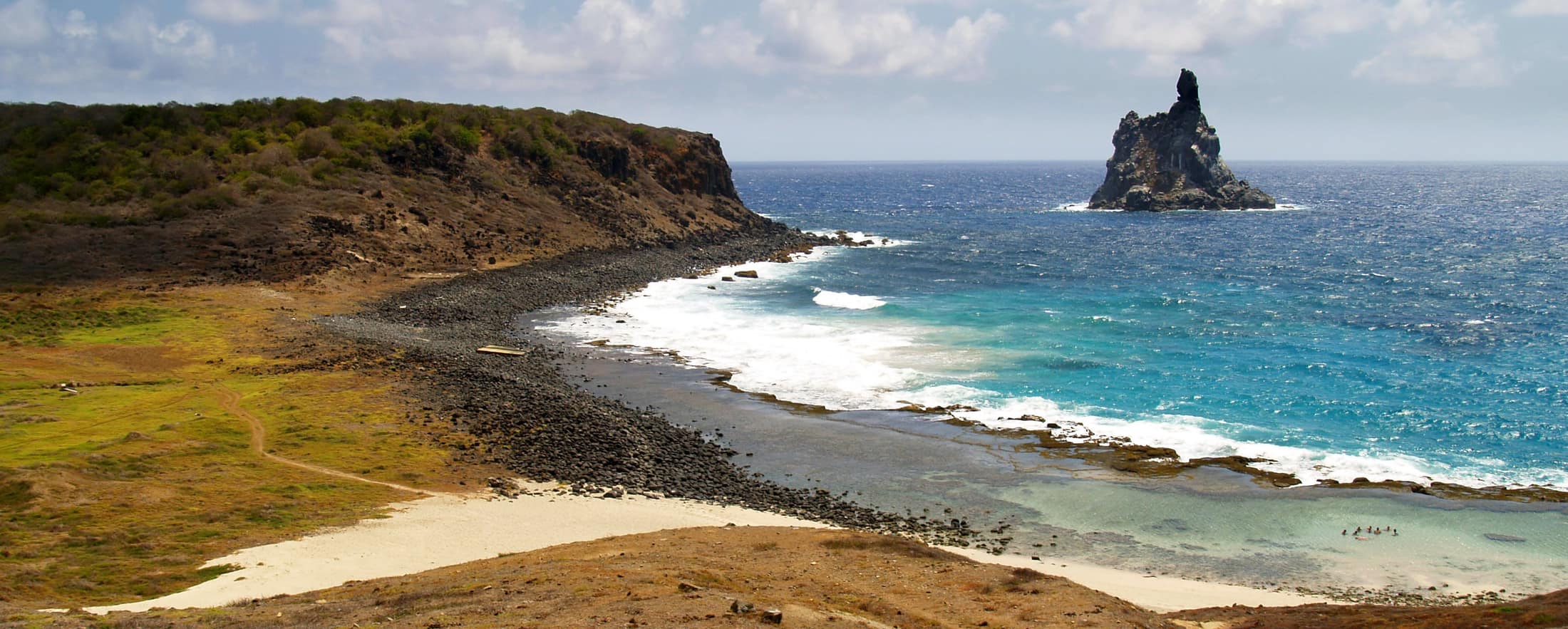
Coasts & Islands
Access and permits
The constraints that actually decide whether a date is possible.
- Visitor numbers to the main island are capped at roughly 11,000 per month under state and federal rules, enforced via flight seats and licensed beds.
- The Taxa de Preservação Ambiental is charged per day and escalates with length of stay. The marine park ticket is separate, priced higher for foreign visitors, and valid ten consecutive days.
- Atalaia and Capim-Açu are controlled trails with scheduled slots and daily limits. They must be booked, not walked up to.
Included
- TPA calculation and payment guidance for your exact stay length
- ICMBio marine park ticket and controlled-trail scheduling
- Private guide, dive packages, and island transfers
- Pousada accommodation
- Daily field briefings with the lead guide before departure
Not included
- Guaranteed availability if the monthly quota is exhausted
- Mainland flights
- Dive certification, bring your card
- Entry to Baía dos Golfinhos, which is closed to swimmers
- Personal insurance, including medical and evacuation cover
What the price reflects
The $8,500–12,800 band for seven days reflects what the island actually costs: capped supply, top pousadas, private guiding, a full dive package, and two sets of mandatory public fees on top. It is not a mark-up on a cheap destination, Noronha is genuinely expensive by design. What moves a quote inside that picture is party size, season, and the lodge or camp class actually available for your dates. Private guiding and private dive arrangements, staying in the better pousadas. Everything hinges on securing quota and beds first. On the included side, the band already assumes items such as: TPA calculation and payment guidance for your exact stay length; ICMBio marine park ticket and controlled-trail scheduling; Private guide, dive packages, and island transfers. Still outside the band unless we write them in: Guaranteed availability if the monthly quota is exhausted; Mainland flights; Dive certification, bring your card. Nothing is confirmed until it is confirmed in writing.
- Party size
- Per-person cost usually falls as the private team is shared across more guests, up to the format limit implied by the guiding and lodge picture. Private guiding and private dive arrangements, staying in the better pousadas.
- Season and dates
- Window on the card: Aug–Dec. Planning note: August through December for visibility and calm. Operable in other months with rougher seas and lower clarity. We will tell you which sites that closes. Peak dates inside that window tighten lodge and permit availability, which is what usually pushes a quote toward the top of a published band.
- Lodge or camp class
- Accommodation in the band reflects: Pousada accommodation. Moving up or down a class, or shifting to a scarcer property, changes the quote without changing the route.
- Internal transport
- Transfers and regional legs follow the trip design. Watch for: Mainland flights. Charter or peak-season domestic seats, where they apply, sit outside a simple road transfer.
- Permits and access
- Access cost tracks what the ground already requires. ICMBio marine park ticket and controlled-trail scheduling We do not invent fee figures beyond what the catalogue already states.
- Outside the band
- Not assumed unless written in: Guaranteed availability if the monthly quota is exhausted; Mainland flights; Dive certification, bring your card.
Bands are per person sharing and move with party size, season, and lodge choice. Nothing is confirmed until it is confirmed in writing. How we price.
Where this is
Fernando de Noronha, Pernambuco, Brazil. UNESCO World Heritage with Atol das Rocas.
Elevation: Sea level; Morro do Pico to 323 m. Season as published: August–December (best visibility); operable other months with rougher seas. Difficulty as assessed: Easy.
What we checked
Seasons, altitudes, permits, and caps on this page were checked against park authorities, monitoring agencies, and operators on the ground. Where a fact changes with the year, we say so rather than round it off.
Near this
Same terrain, different week
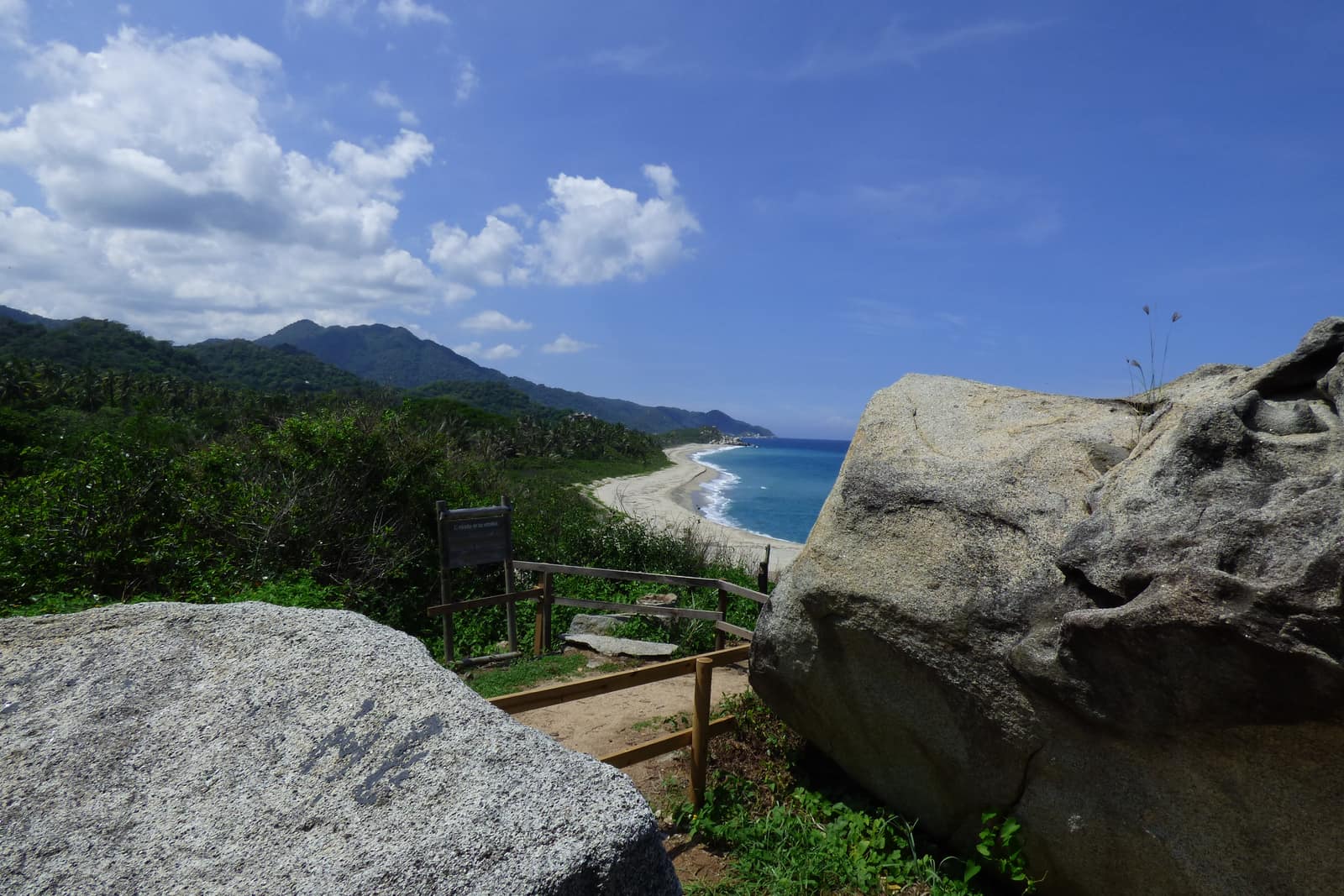
Colombia
Sierra Nevada Caribbean Arc
Sierra Nevada de Santa Marta & Caribbean Coast
Trade winds meet cloud forest on the world's highest coastal range. Authorized mid-elevation trails and Tayrona/Ciudad Perdida corridors—páramo and nevados remain closed sacred territory.
- Duration
- 11 days
- Effort
- Challenging
- Window
- Dec–Mar
$8,500–$12,000
Detail →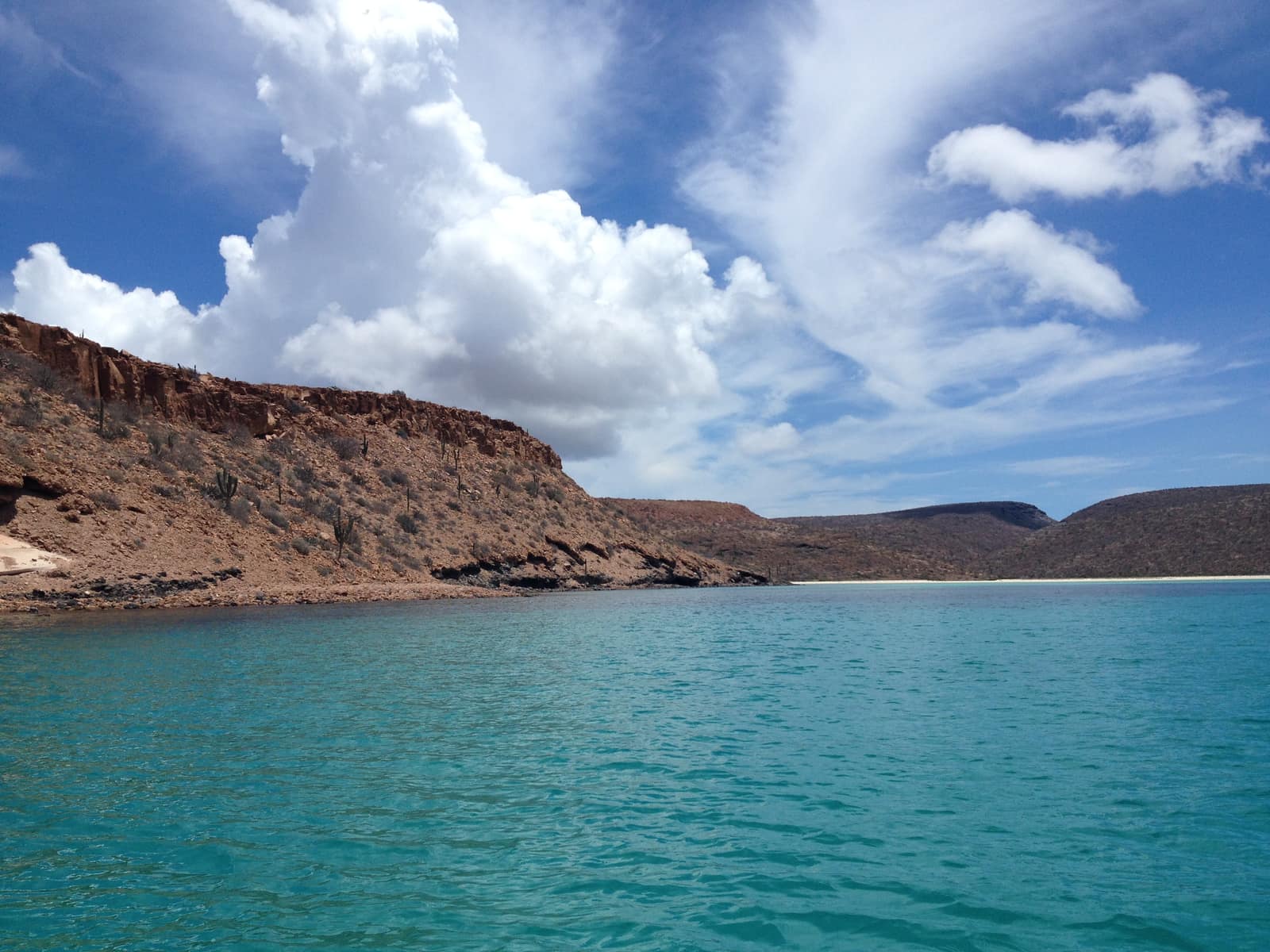
Mexico
Baja Sea of Cortez Crossing
Loreto to La Paz
Kayak past sea lions on desert islands while whale breath plumes the channel. Camp on beaches where the desert meets deep blue water.
- Duration
- 9 days
- Effort
- Moderate
- Window
- Oct–Nov & Mar–Apr
$7,800–$11,200
Detail →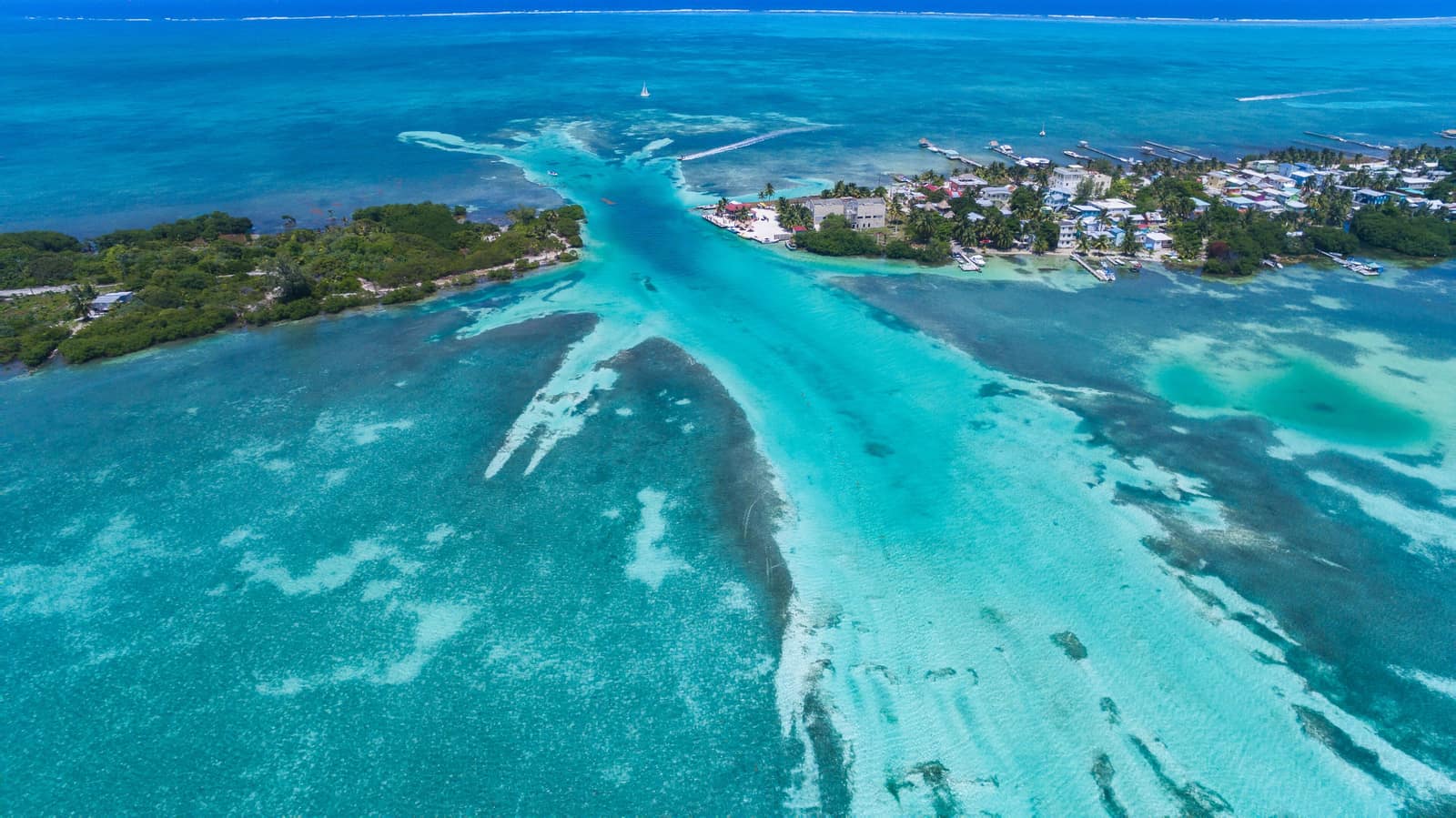
Belize
Belize Barrier Reef Circuit
Ambergris Caye to South Reef
Clear water over living coral walls; rays lift off sand as you drift the cut. Evenings bring trade wind and the smell of salt on wood decks.
- Duration
- 8 days
- Effort
- Easy
- Window
- Nov–Jun
$5,800–$8,900
Detail →From the ground
Frames from this route family and country — not a studio set, and not a promise of identical weather.