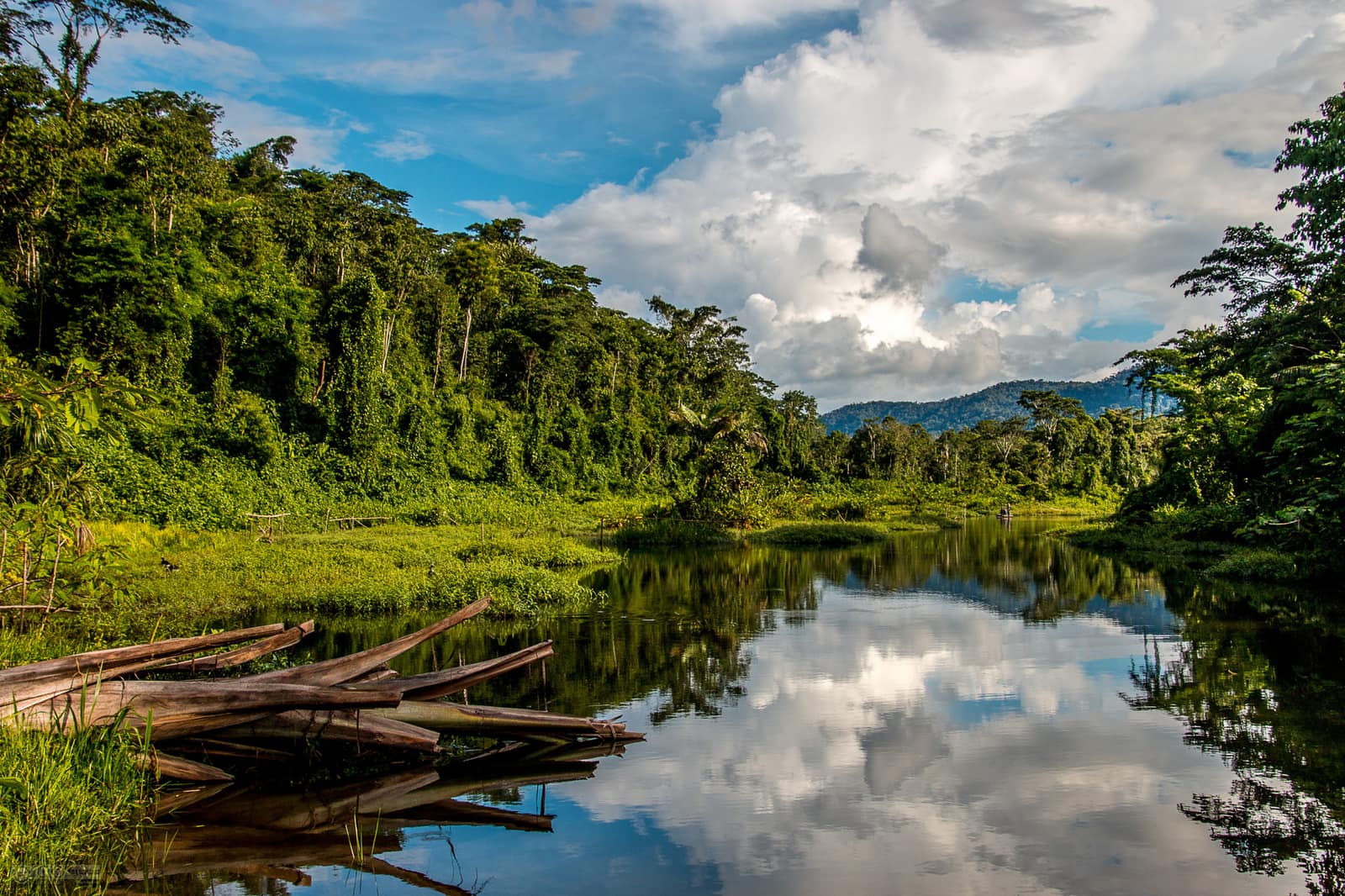
Manu Amazon River
Manu Biosphere Reserve
From Andean foothills into one of Earth's richest rainforests. Clay licks draw macaws; oxbow lakes hold giant otters at dawn.
By invitation
This one is inquire-only and stays that way. Whether it can run at all turns on a permit cap, a compliance regime, a current security read, or consent held by the community whose ground it crosses. Read the access notes, tell us what you have in mind, and we will give you a straight answer — including no.
- Days
- 10
- Effort
- Moderate
- Window
- May–Oct
- From
- On inquiry
The ground
Manu drops from Andean cloud forest at over 3,000 m to lowland Amazon at 400 m inside a single protected block, which is why its species counts are what they are. The gradient is the asset: you pass through a dozen forest types in two days of descent.
The reserve has three zones and they are not interchangeable. The Cultural Zone is open and settled. The Reserved Zone, the oxbow lakes, the giant otters at Cocha Salvador, the macaw licks, is entered only through operators holding a SERNANP concession. The Intangible Zone is closed permanently for peoples in voluntary isolation and no visitor goes there.
That concession structure is why this is inquire-only. Reserved Zone capacity is finite and allocated, so the honest sequence is: check what is actually available for your dates, then design. Not the other way round.
Manu Biosphere Reserve, Madre de Dios and Cusco, Peru. Cultural, Reserved, and Intangible zones are distinct. Working elevation runs Cusco 3,400 m down to about 400 m on the Manu. That profile shapes sleep, pace, and how early the group needs to move. The published window: May through October. Outside that the river runs high, the clay licks are unreliable, and the road down is genuinely bad. Within that window, day order still flexes with weather and access.
Reserved Zone access is only through operators holding a current SERNANP concession, and berths are capped. This is the binding constraint on dates. The Intangible Zone is closed to protect peoples in voluntary isolation. We will not discuss routes through it. Private with a specialist naturalist, subject to concession availability. Group departures exist through concessionaires and are often the only way in during peak weeks. This is the operating shape of the trip: private enough to reorder days, constrained enough that permits and local rules still set the ceiling.
Shape of the days
A shape, not a script. Order and pacing move with weather, permits, and how the first days actually go.
Stage 1
Cusco and the cloud forest
Stage 1 covers Cusco and the cloud forest. Descent from Cusco over Acjanaco into the Kosñipata cloud forest, cock-of-the-rock leks at dawn, mixed tanager flocks, and the long drop toward Atalaya. The day order inside this block can shift when weather or access forces a rewrite. Field days stay inside the ground already described for Peru. Manu drops from Andean cloud forest at over 3,000 m to lowland Amazon at 400 m inside a single protected block, which is why its species counts are what they are. Reserved Zone access is only through operators holding a current SERNANP concession, and berths are capped. This is the binding constraint on dates. Private with a specialist naturalist, subject to concession availability. Expect a full field day measured in hours on foot, on the water, or in transit between sectors already named above. Private guiding means we can shorten or reorder, not that the underlying constraints disappear. The reserve has three zones and they are not interchangeable. The Cultural Zone is open and settled. The Reserved Zone, the oxbow lakes, the giant otters at Cocha Salvador, the macaw licks, is entered only through operators holding a SERNANP concession. The Intangible Zone is closed permanently for peoples in voluntary isolation and no visitor goes there. Geography stays inside Manu Biosphere Reserve, Madre de Dios and Cusco, Peru. Cultural, Reserved, and Intangible zones are distinct. Season logic we plan against: May through October. Outside that the river runs high, the clay licks are unreliable, and the road down is genuinely bad. For kit on these days: Quick-dry long layers, a warm layer for the friaje cold fronts that arrive even.
Stage 2
Concession verification
Stage 2 covers Concession verification. We confirm the Reserved Zone concession and berth availability for your dates in writing before committing anything else. The day order inside this block can shift when weather or access forces a rewrite. This is the denser stretch. The Intangible Zone is closed to protect peoples in voluntary isolation. We will not discuss routes through it. Fitness for the block: Moderate. Long boat days, flat but slow humid walking, early starts, and basic camp comfort in places. Conditions: Hot and humid in the lowlands, 24–33 °C. Expect a full field day measured in hours on foot, on the water, or in transit between sectors already named above. Private guiding means we can shorten or reorder, not that the underlying constraints disappear. That concession structure is why this is inquire-only. Reserved Zone capacity is finite and allocated, so the honest sequence is: check what is actually available for your dates, then design. Not the other way round. Geography stays inside Manu Biosphere Reserve, Madre de Dios and Cusco, Peru. Cultural, Reserved, and Intangible zones are distinct. Season logic we plan against: May through October. Outside that the river runs high, the clay licks are unreliable, and the road down is genuinely bad. For kit on these days: Quick-dry long layers, a warm layer for the friaje cold fronts that arrive even in the dry season, and a dry bag for long boat days.
Stage 3
Reserved Zone
Stage 3 covers Reserved Zone. River camps and lodges on the Manu, Cocha Salvador and Cocha Otorongo for giant otter, the Blanquillo clay lick at first light for macaws, night walks and river work with a specialist guide. The day order inside this block can shift when weather or access forces a rewrite. This is the denser stretch. Label the zones correctly when comparing quotes: a great many 'Manu' trips never leave the Cultural Zone, which is a genuinely good trip but a different one, at a different price. Fitness for the block: Moderate. Long boat days, flat but slow humid walking, early starts, and basic camp comfort in places. Conditions: Hot and humid in the lowlands, 24–33 °C. Expect a full field day measured in hours on foot, on the water, or in transit between sectors already named above. Private guiding means we can shorten or reorder, not that the underlying constraints disappear. Manu drops from Andean cloud forest at over 3,000 m to lowland Amazon at 400 m inside a single protected block, which is why its species counts are what they are. The gradient is the asset: you pass through a dozen forest types in two days of descent. Geography stays inside Manu Biosphere Reserve, Madre de Dios and Cusco, Peru. Cultural, Reserved, and Intangible zones are distinct. Season logic we plan against: May through October. Outside that the river runs high, the clay licks are unreliable, and the road down is genuinely bad. For kit on these days: Quick-dry long layers, a warm layer for the friaje cold fronts that arrive even in the dry season, and a dry bag for long boat days.
Stage 4
Exit
Stage 4 covers Exit. Out via the Boca Manu corridor by river and light aircraft or the overland route back to Cusco. The day order inside this block can shift when weather or access forces a rewrite. Exit logistics follow the same transfer pattern already built into the programme. The Intangible Zone is closed to protect peoples in voluntary isolation. We will not discuss routes through it. International connections should leave buffer after the last field day; late-evening flights only when the ground day is genuinely short. The last day is deliberately lighter where the catalogue allows it, so extraction does not collide with a hard physical ask. The reserve has three zones and they are not interchangeable. The Cultural Zone is open and settled. The Reserved Zone, the oxbow lakes, the giant otters at Cocha Salvador, the macaw licks, is entered only through operators holding a SERNANP concession. The Intangible Zone is closed permanently for peoples in voluntary isolation and no visitor goes there. Geography stays inside Manu Biosphere Reserve, Madre de Dios and Cusco, Peru. Cultural, Reserved, and Intangible zones are distinct. Season logic we plan against: May through October. Outside that the river runs high, the clay licks are unreliable, and the road down is genuinely bad. Packing still matters here: Quick-dry long layers, a warm layer for the friaje cold fronts that arrive even in the dry season, and a dry bag for long boat days.
Conditions
Hot and humid in the lowlands, 24–33 °C. May to October is the dry season and the only sensible window for the Reserved Zone. Friajes, cold air pushing up from the south, can drop temperatures sharply for a few days even in the dry season, so bring a warm layer you did not expect to need.
Fitness bar
Moderate. Long boat days, flat but slow humid walking, early starts, and basic camp comfort in places. The altitude change at the Cusco end matters more than most people expect.
Best months
May through October. Outside that the river runs high, the clay licks are unreliable, and the road down is genuinely bad.
Private or small group
Private with a specialist naturalist, subject to concession availability. Group departures exist through concessionaires and are often the only way in during peak weeks.
What to bring
Quick-dry long layers, a warm layer for the friaje cold fronts that arrive even in the dry season, and a dry bag for long boat days. Rubber boots supplied. Binoculars matter more here than almost anywhere.
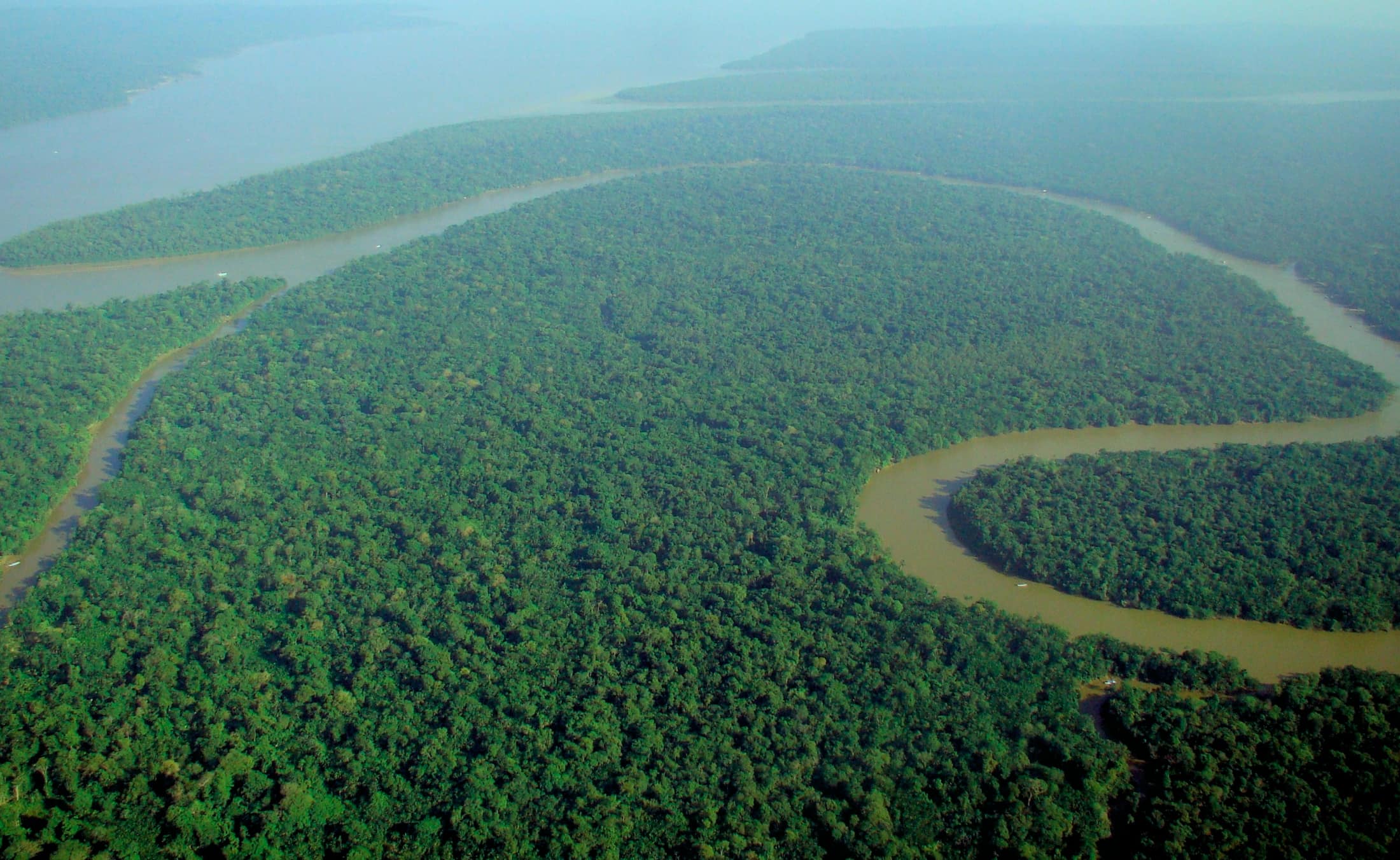
Amazon & Rainforest
Access and permits
The constraints that actually decide whether a date is possible.
- Reserved Zone access is only through operators holding a current SERNANP concession, and berths are capped. This is the binding constraint on dates.
- The Intangible Zone is closed to protect peoples in voluntary isolation. We will not discuss routes through it.
- Label the zones correctly when comparing quotes: a great many 'Manu' trips never leave the Cultural Zone, which is a genuinely good trip but a different one, at a different price.
Included
- SERNANP permits arranged via the licensed concessionaire
- Specialist naturalist guide and all river transport
- Lodge and river-camp accommodation, all meals in the reserve
- Cusco hotel nights either side
- Daily field briefings with the lead guide before departure
Not included
- The Intangible Zone, permanently closed, no exceptions
- Independent entry to the Reserved Zone
- Guaranteed sightings of giant otter, jaguar, or tapir
- Charter flight from Boca Manu unless specified
- Personal insurance, including medical and evacuation cover
What the price reflects
The published band of $7,800–11,500 is per person sharing for the 10-day shape. Quoted on inquiry against actual concession availability. A private Reserved Zone programme of eight to ten days typically lands in the mid five figures for a small party once permits, river logistics, and a specialist guide are counted; Cultural Zone equivalents cost considerably less. What moves a quote inside that picture is party size, season, and the lodge or camp class actually available for your dates. Private with a specialist naturalist, subject to concession availability. Group departures exist through concessionaires and are often the only way in during peak weeks. On the included side, the band already assumes items such as: SERNANP permits arranged via the licensed concessionaire; Specialist naturalist guide and all river transport; Lodge and river-camp accommodation, all meals in the reserve. Still outside the band unless we write them in: The Intangible Zone, permanently closed, no exceptions; Independent entry to the Reserved Zone; Guaranteed sightings of giant otter, jaguar, or tapir. Nothing is confirmed until it is confirmed in writing.
- Party size
- Per-person cost usually falls as the private team is shared across more guests, up to the format limit implied by the guiding and lodge picture. Private with a specialist naturalist, subject to concession availability.
- Season and dates
- Window on the card: May–Oct. Planning note: May through October. Outside that the river runs high, the clay licks are unreliable, and the road down is genuinely bad. Peak dates inside that window tighten lodge and permit availability, which is what usually pushes a quote toward the top of a published band.
- Lodge or camp class
- Accommodation in the band reflects: Lodge and river-camp accommodation, all meals in the reserve. Moving up or down a class, or shifting to a scarcer property, changes the quote without changing the route.
- Internal transport
- Transfers and regional legs follow the trip design. Watch for: Charter flight from Boca Manu unless specified. Charter or peak-season domestic seats, where they apply, sit outside a simple road transfer.
- Permits and access
- Access cost tracks what the ground already requires. SERNANP permits arranged via the licensed concessionaire We do not invent fee figures beyond what the catalogue already states.
- Outside the band
- Not assumed unless written in: The Intangible Zone, permanently closed, no exceptions; Independent entry to the Reserved Zone; Guaranteed sightings of giant otter, jaguar, or tapir.
Bands are per person sharing and move with party size, season, and lodge choice. Nothing is confirmed until it is confirmed in writing. How we price.
Where this is
Manu Biosphere Reserve, Madre de Dios and Cusco, Peru. Cultural, Reserved, and Intangible zones are distinct.
Elevation: Cusco 3,400 m down to about 400 m on the Manu. Season as published: May–Oct. Difficulty as assessed: Moderate.
What we checked
Seasons, altitudes, permits, and caps on this page were checked against park authorities, monitoring agencies, and operators on the ground. Where a fact changes with the year, we say so rather than round it off.
Near this
Same terrain, different week
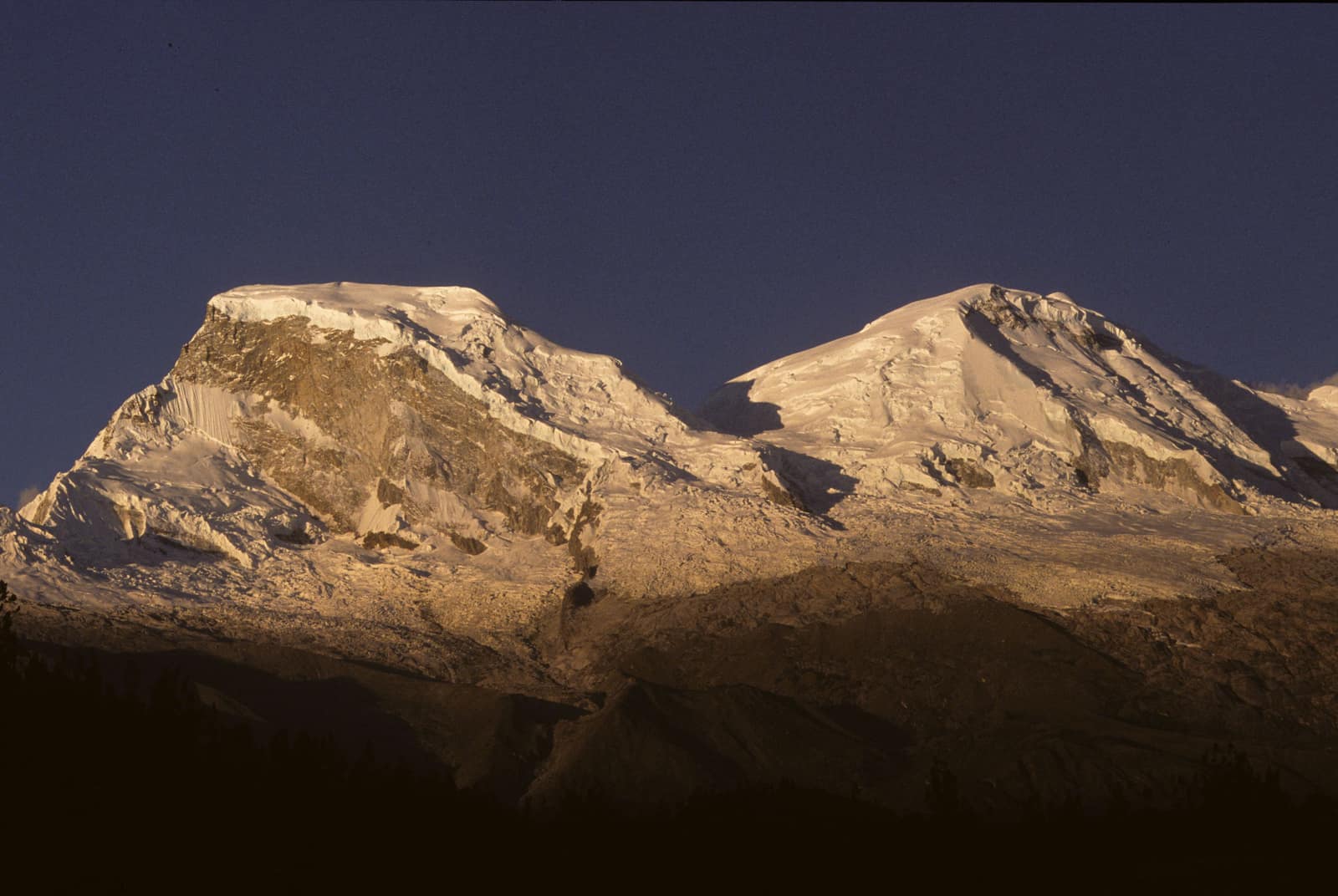
Peru
Andes Shadow Traverse
Cordillera Blanca & Cordillera Huayhuash (Ancash)
High passes catch first light while glacial valleys still hold cold air. Condors work the ridgelines as you thread camps between ice and stone.
- Duration
- 12 days
- Effort
- Challenging
- Window
- May–Sep
$8,900–$12,500
Detail →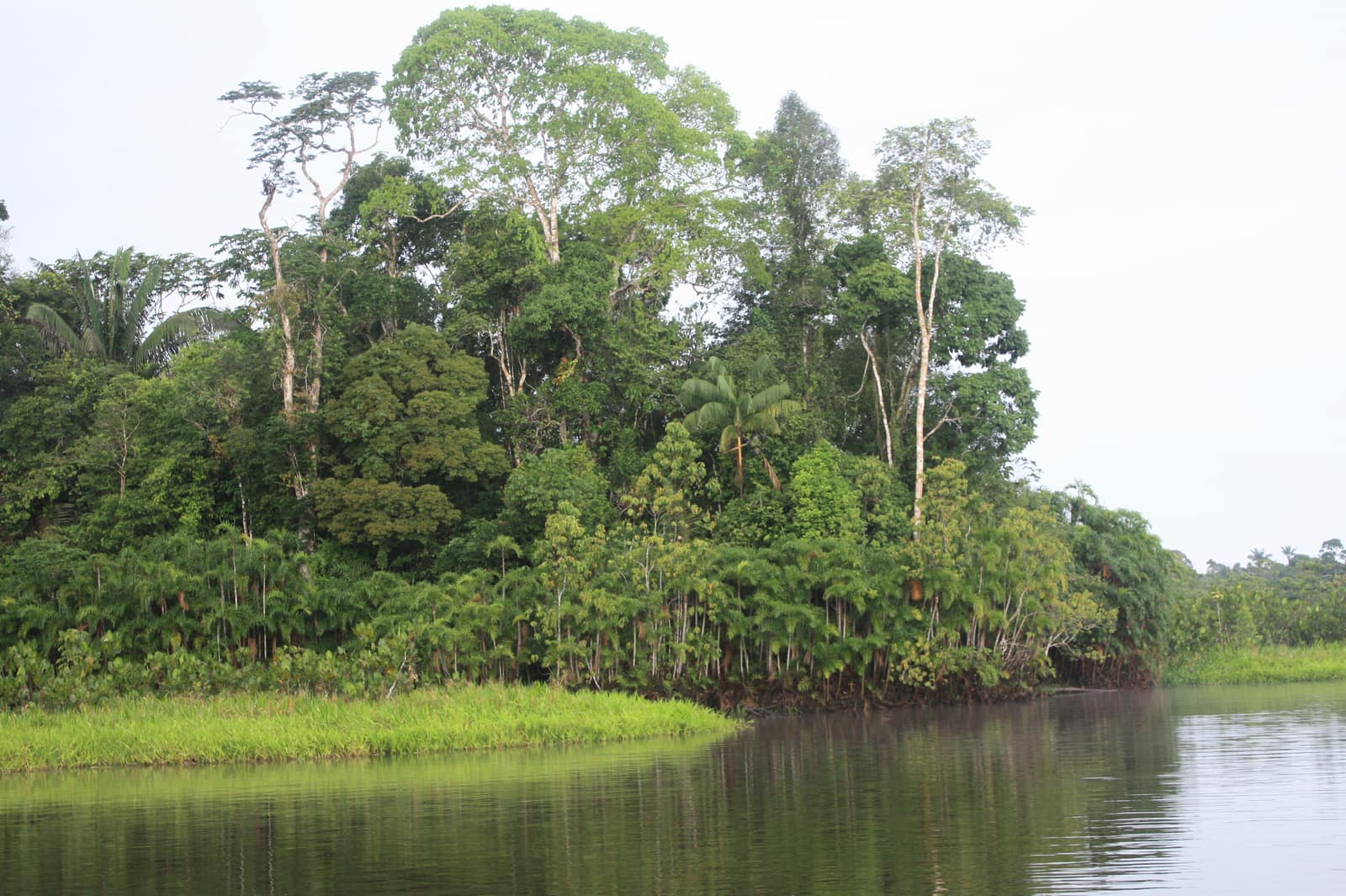
Ecuador
Amazon Canopy & River
Parque Nacional Yasuní & cuenca del Napo
Dawn mist lifts off blackwater channels as howler monkeys claim the canopy. Night walks reveal eyeshine in a forest that never truly sleeps.
- Duration
- 10 days
- Effort
- Moderate
- Window
- Year-round
$7,200–$10,500
Detail →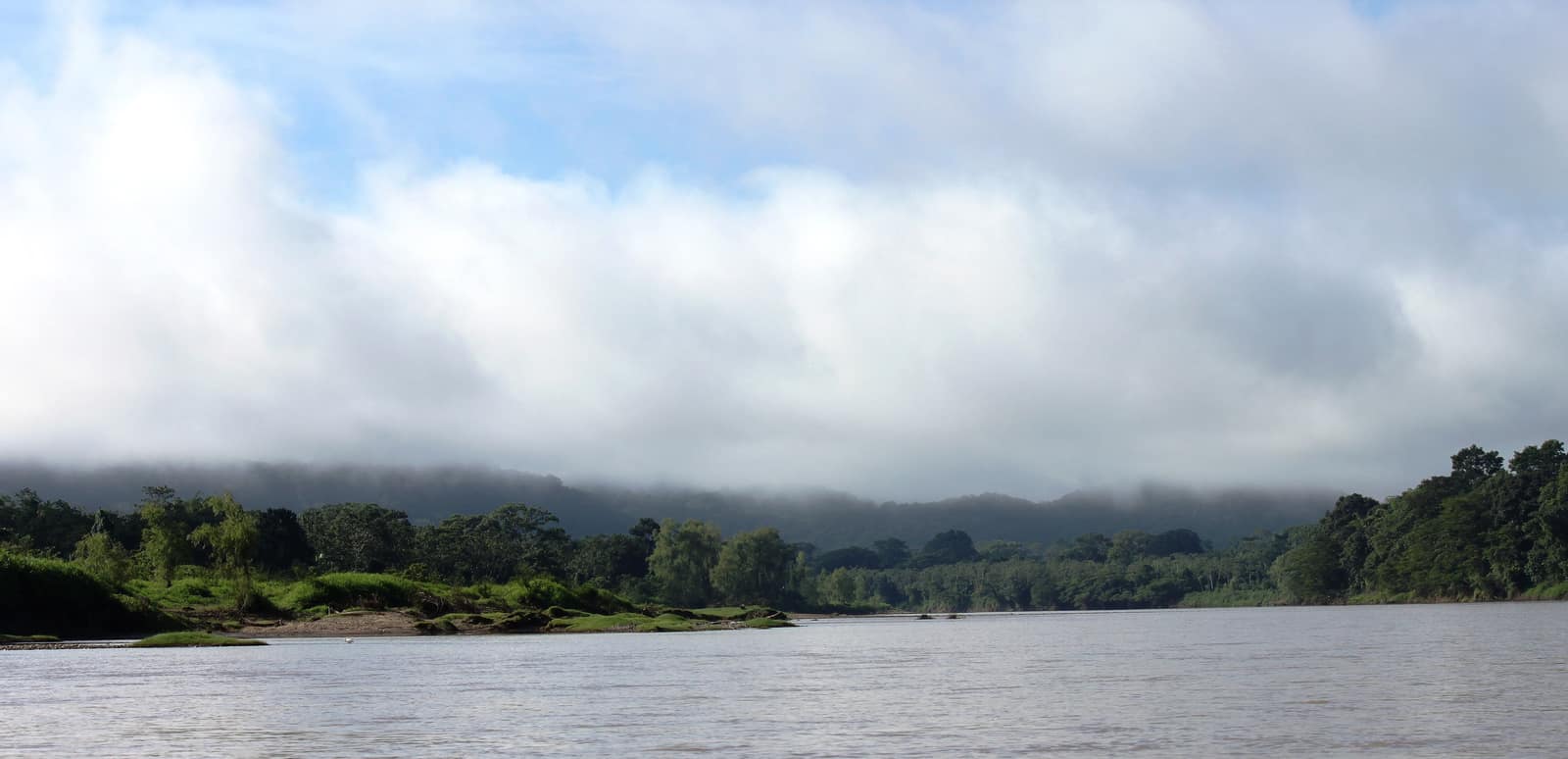
Honduras
By invitation
Mosquitia River Crossing
Río Plátano Biosphere
Only with a pre-vetted Mosquitia operator: river days in Río Plátano Biosphere under community protocols. Not an open itinerary—security screening required.
- Duration
- 12 days
- Effort
- Challenging
- Window
- Feb–May
On inquiry
Access →From the ground
Frames from this route family and country — not a studio set, and not a promise of identical weather.