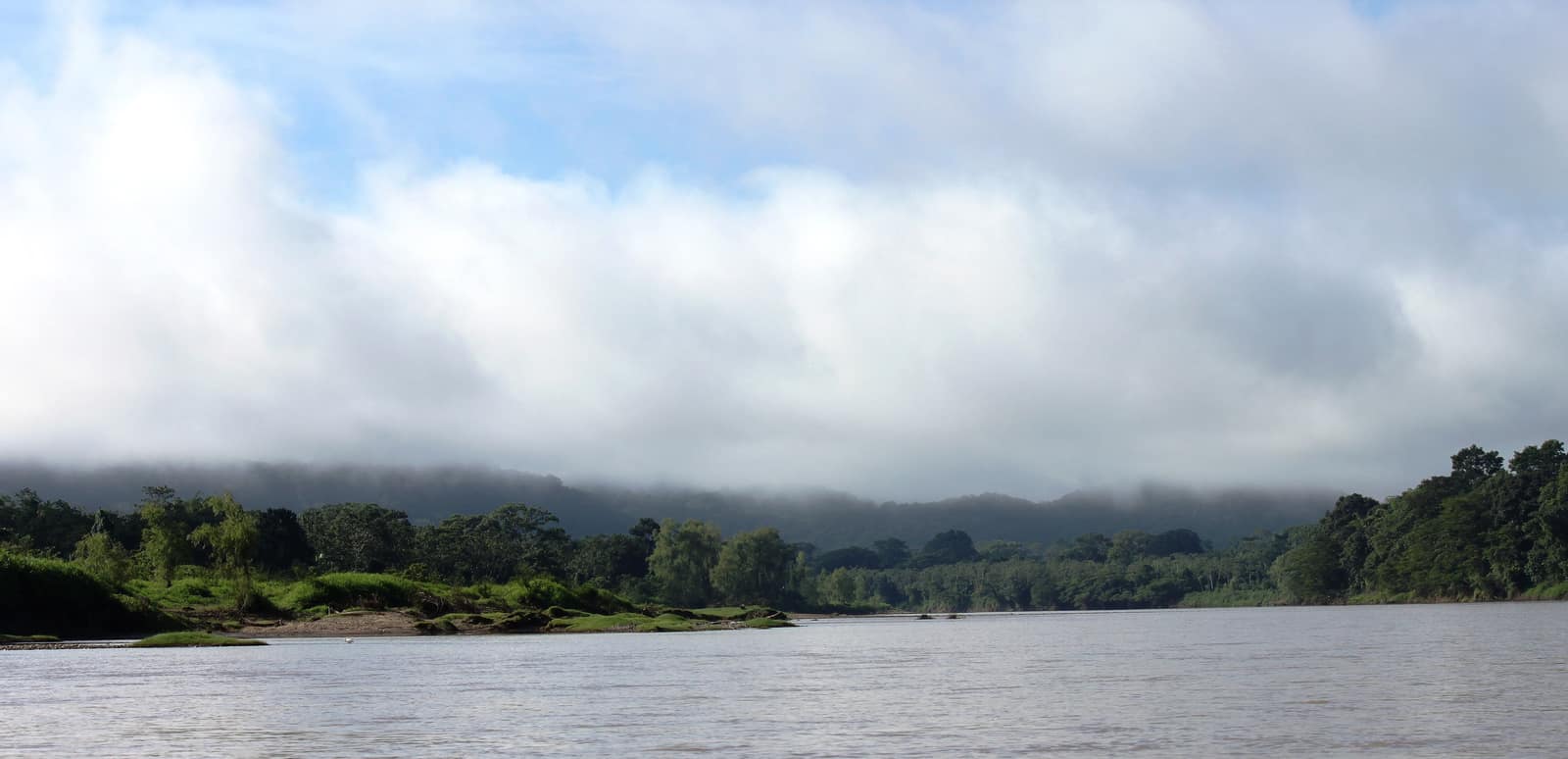
Mosquitia River Crossing
Río Plátano Biosphere
Only with a pre-vetted Mosquitia operator: river days in Río Plátano Biosphere under community protocols. Not an open itinerary—security screening required.
By invitation
This one is inquire-only and stays that way. Whether it can run at all turns on a permit cap, a compliance regime, a current security read, or consent held by the community whose ground it crosses. Read the access notes, tell us what you have in mind, and we will give you a straight answer — including no.
- Days
- 12
- Effort
- Challenging
- Window
- Feb–May
- From
- On inquiry
The ground
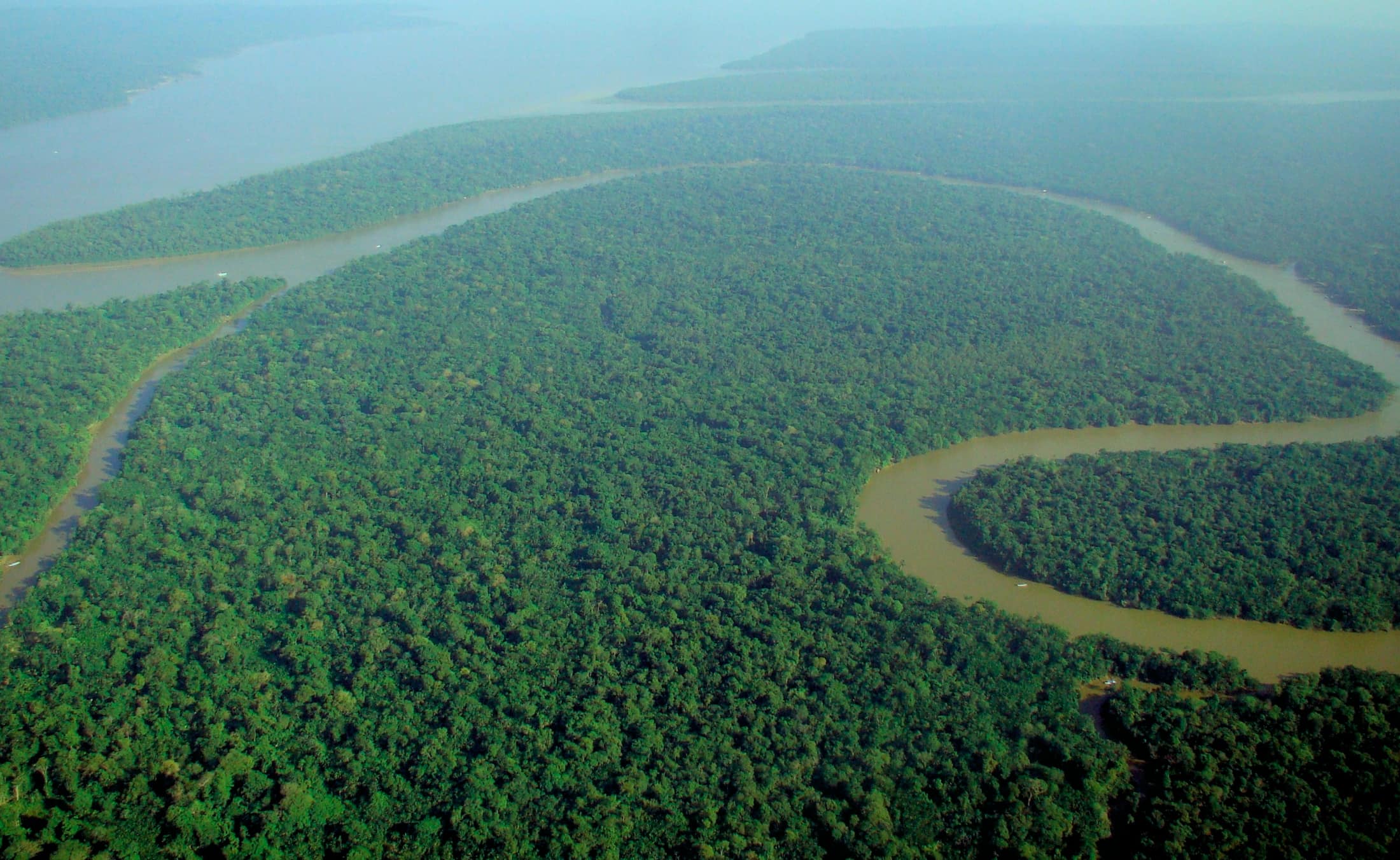
La Mosquitia holds the Río Plátano Biosphere Reserve, a UNESCO World Heritage site on the In Danger list, and one of the largest remaining lowland rainforests north of the Amazon. It is also in Gracias a Dios, a department that has carried a Do Not Travel designation, with limited state presence and established narcotics trafficking.
Both things are true at once, and that is why this is inquire-only with a hard screen. River days by dugout under Pech, Miskito, and Tawahka community protocols, on channels cleared in advance. Nights of frog chorus and river talk. No open itinerary, no fixed departures, no published price.
We run this only with a pre-vetted Mosquitia operator we have worked with, only with community permission in hand, and only when the current picture supports it. Some seasons the answer is no.
Río Plátano Biosphere Reserve, La Mosquitia, Gracias a Dios, Honduras. Working elevation runs Lowland; near sea level throughout. That profile shapes sleep, pace, and how early the group needs to move. The published window: February through May is the relatively drier window, if travel is approved for those dates at all. Within that window, day order still flexes with weather and access.
Gracias a Dios has carried a Level 4 Do Not Travel advisory. We will not run this against a current adverse advisory. Río Plátano is a UNESCO World Heritage site inscribed on the List of World Heritage in Danger; access is governed by reserve rules and community agreement, not by ticketing. Private only, by written arrangement, with a specialist operator. No published departures and no group option. This is the operating shape of the trip: private enough to reorder days, constrained enough that permits and local rules still set the ceiling.
Shape of the days
A shape, not a script. Order and pacing move with weather, permits, and how the first days actually go.
Stage 1
Operator and community consent
Stage 1 covers Operator and community consent. Security review, specialist operator confirmation, and written consent from each community whose river reach the route uses. All three or nothing. The day order inside this block can shift when weather or access forces a rewrite. Arrival and orientation use the published access picture. Gracias a Dios has carried a Level 4 Do Not Travel advisory. We will not run this against a current adverse advisory. Elevation context for the programme: Lowland; near sea level throughout. Sleep and walk length are graded against that, not against a generic fitness brochure. Early days protect the later ones. We do not burn the group on a full-length day before the body has met the altitude, heat, or boat rhythm this route actually uses. Both things are true at once, and that is why this is inquire-only with a hard screen. River days by dugout under Pech, Miskito, and Tawahka community protocols, on channels cleared in advance. Nights of frog chorus and river talk. No open itinerary, no fixed departures, no published price. Geography stays inside Río Plátano Biosphere Reserve, La Mosquitia, Gracias a Dios, Honduras. Season logic we plan against: February through May is the relatively drier window, if travel is approved for those dates at all. Packing still matters here: Full-coverage quick-dry layers, a serious repellent regime, and a bag that survives a dugout.
Stage 2
Insertion
Stage 2 covers Insertion. Air or boat into the reserve on an escorted plan, with fixed check-in windows and a named evacuation contact. The day order inside this block can shift when weather or access forces a rewrite. Arrival and orientation use the published access picture. Río Plátano is a UNESCO World Heritage site inscribed on the List of World Heritage in Danger; access is governed by reserve rules and community agreement, not by ticketing. Elevation context for the programme: Lowland; near sea level throughout. Sleep and walk length are graded against that, not against a generic fitness brochure. Early days protect the later ones. We do not burn the group on a full-length day before the body has met the altitude, heat, or boat rhythm this route actually uses. We run this only with a pre-vetted Mosquitia operator we have worked with, only with community permission in hand, and only when the current picture supports it. Some seasons the answer is no. Geography stays inside Río Plátano Biosphere Reserve, La Mosquitia, Gracias a Dios, Honduras. Season logic we plan against: February through May is the relatively drier window, if travel is approved for those dates at all. Packing still matters here: Full-coverage quick-dry layers, a serious repellent regime, and a bag that survives a dugout.
Stage 3
River segments
Stage 3 covers River segments. Multi-day dugout travel on pre-cleared channels only, with community guides throughout. Camps at agreed sites. The day order inside this block can shift when weather or access forces a rewrite. Field days stay inside the ground already described for Honduras. We run this only with a pre-vetted Mosquitia operator we have worked with, only with community permission in hand, and only when the current picture supports it. Screening is mandatory and we do decline. If Mosquitia is not clearable, La Ceiba and the Cangrejal, or Pico Bonito, are honest alternatives and we will offer them. Private only, by written arrangement, with a specialist operator. Expect a full field day measured in hours on foot, on the water, or in transit between sectors already named above. Private guiding means we can shorten or reorder, not that the underlying constraints disappear. La Mosquitia holds the Río Plátano Biosphere Reserve, a UNESCO World Heritage site on the In Danger list, and one of the largest remaining lowland rainforests north of the Amazon. It is also in Gracias a Dios, a department that has carried a Do Not Travel designation, with limited state presence and established narcotics trafficking. Geography stays inside Río Plátano Biosphere Reserve, La Mosquitia, Gracias a Dios, Honduras. Season logic we plan against: February through May is the relatively drier window, if travel is approved for those dates at all. For kit on these days: Full-coverage quick-dry layers, a serious repellent regime, and a bag that survives a dugout.
Stage 4
Extraction
Stage 4 covers Extraction. Out via the same vetted logistics. No improvised route changes. The day order inside this block can shift when weather or access forces a rewrite. Exit logistics follow the same transfer pattern already built into the programme. Río Plátano is a UNESCO World Heritage site inscribed on the List of World Heritage in Danger; access is governed by reserve rules and community agreement, not by ticketing. International connections should leave buffer after the last field day; late-evening flights only when the ground day is genuinely short. The last day is deliberately lighter where the catalogue allows it, so extraction does not collide with a hard physical ask. Both things are true at once, and that is why this is inquire-only with a hard screen. River days by dugout under Pech, Miskito, and Tawahka community protocols, on channels cleared in advance. Nights of frog chorus and river talk. No open itinerary, no fixed departures, no published price. Geography stays inside Río Plátano Biosphere Reserve, La Mosquitia, Gracias a Dios, Honduras. Season logic we plan against: February through May is the relatively drier window, if travel is approved for those dates at all. Packing still matters here: Full-coverage quick-dry layers, a serious repellent regime, and a bag that survives a dugout.
Conditions
Hot, humid, and remote. February to May is relatively drier but rain is never absent. Infrastructure is minimal, medical facilities are hours away at best, and communications are satellite-only.
Fitness bar
Challenging. Multi-day dugout travel, heat, insects, and rough camps. This is a remoteness-tolerance question more than a fitness one, and we screen for both.
Best months
February through May is the relatively drier window, if travel is approved for those dates at all.
Private or small group
Private only, by written arrangement, with a specialist operator. No published departures and no group option.
What to bring
Full-coverage quick-dry layers, a serious repellent regime, and a bag that survives a dugout. Anything electronic travels in a dry bag or does not travel. We issue a specific kit list after clearance, because it depends on the corridor.
Amazon & Rainforest
Access and permits
The constraints that actually decide whether a date is possible.
- Gracias a Dios has carried a Level 4 Do Not Travel advisory. We will not run this against a current adverse advisory.
- Río Plátano is a UNESCO World Heritage site inscribed on the List of World Heritage in Danger; access is governed by reserve rules and community agreement, not by ticketing.
- Screening is mandatory and we do decline. If Mosquitia is not clearable, La Ceiba and the Cangrejal, or Pico Bonito, are honest alternatives and we will offer them.
Included
- Specialist Mosquitia operator and community guides
- Written community permissions for every river reach used
- Satellite communications, medical kit, and a documented evacuation plan
- All river transport and camps on the cleared route
- Daily field briefings with the lead guide before departure
Not included
- Independent travel of any kind
- Published fixed departures
- A public price band, quoted after clearance only
- Any route change made in the field for convenience
- Personal insurance, including medical and evacuation cover
What the price reflects
This departure carries no published band. Cost is quoted only after the access and compliance checks named in the access notes. No published price. Quoted only after security and community clearance, because the logistics, charter air, escort, satellite cover, evacuation standby, dominate the cost and vary by season. What moves a quote inside that picture is party size, season, and the lodge or camp class actually available for your dates. Private only, by written arrangement, with a specialist operator. No published departures and no group option. On the included side, the band already assumes items such as: Specialist Mosquitia operator and community guides; Written community permissions for every river reach used; Satellite communications, medical kit, and a documented evacuation plan. Still outside the band unless we write them in: Independent travel of any kind; Published fixed departures; A public price band, quoted after clearance only. Nothing is confirmed until it is confirmed in writing.
- Party size
- Quoted after clearance, and still sensitive to how many guests share the specialist team and escort plan.
- Season and dates
- Window on the card: Feb–May. Planning note: February through May is the relatively drier window, if travel is approved for those dates at all. Peak dates inside that window tighten lodge and permit availability, which is what usually pushes a quote toward the top of a published band.
- Lodge or camp class
- Accommodation in the band reflects: All river transport and camps on the cleared route. Moving up or down a class, or shifting to a scarcer property, changes the quote without changing the route.
- Internal transport
- Transfers and regional legs follow the trip design. Watch for: internal flights or boat transfers named in the price note. Charter or peak-season domestic seats, where they apply, sit outside a simple road transfer.
- Permits and access
- Access cost tracks what the ground already requires. Gracias a Dios has carried a Level 4 Do Not Travel advisory. We do not invent fee figures beyond what the catalogue already states.
- Outside the band
- Not assumed unless written in: Independent travel of any kind; Published fixed departures; A public price band, quoted after clearance only.
Bands are per person sharing and move with party size, season, and lodge choice. Nothing is confirmed until it is confirmed in writing. How we price.
Where this is
Río Plátano Biosphere Reserve, La Mosquitia, Gracias a Dios, Honduras.
Elevation: Lowland; near sea level throughout. Season as published: Feb–May. Difficulty as assessed: Challenging.
What we checked
Seasons, altitudes, permits, and caps on this page were checked against park authorities, monitoring agencies, and operators on the ground. Where a fact changes with the year, we say so rather than round it off.
Near this
Same terrain, different week
Ecuador
Amazon Canopy & River
Parque Nacional Yasuní & cuenca del Napo
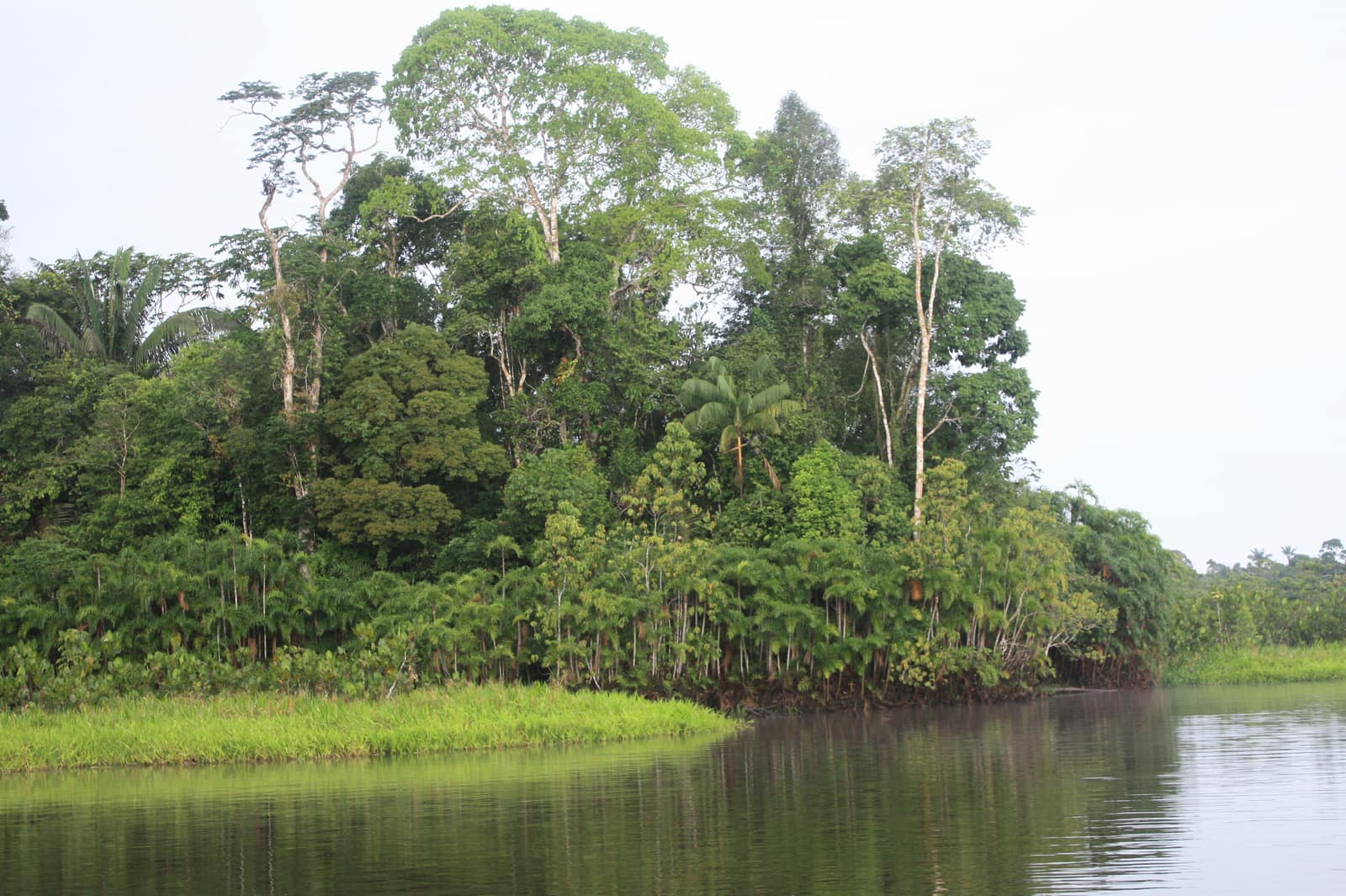
Dawn mist lifts off blackwater channels as howler monkeys claim the canopy. Night walks reveal eyeshine in a forest that never truly sleeps.
- Duration
- 10 days
- Effort
- Moderate
- Window
- Year-round
$7,200–$10,500
Detail →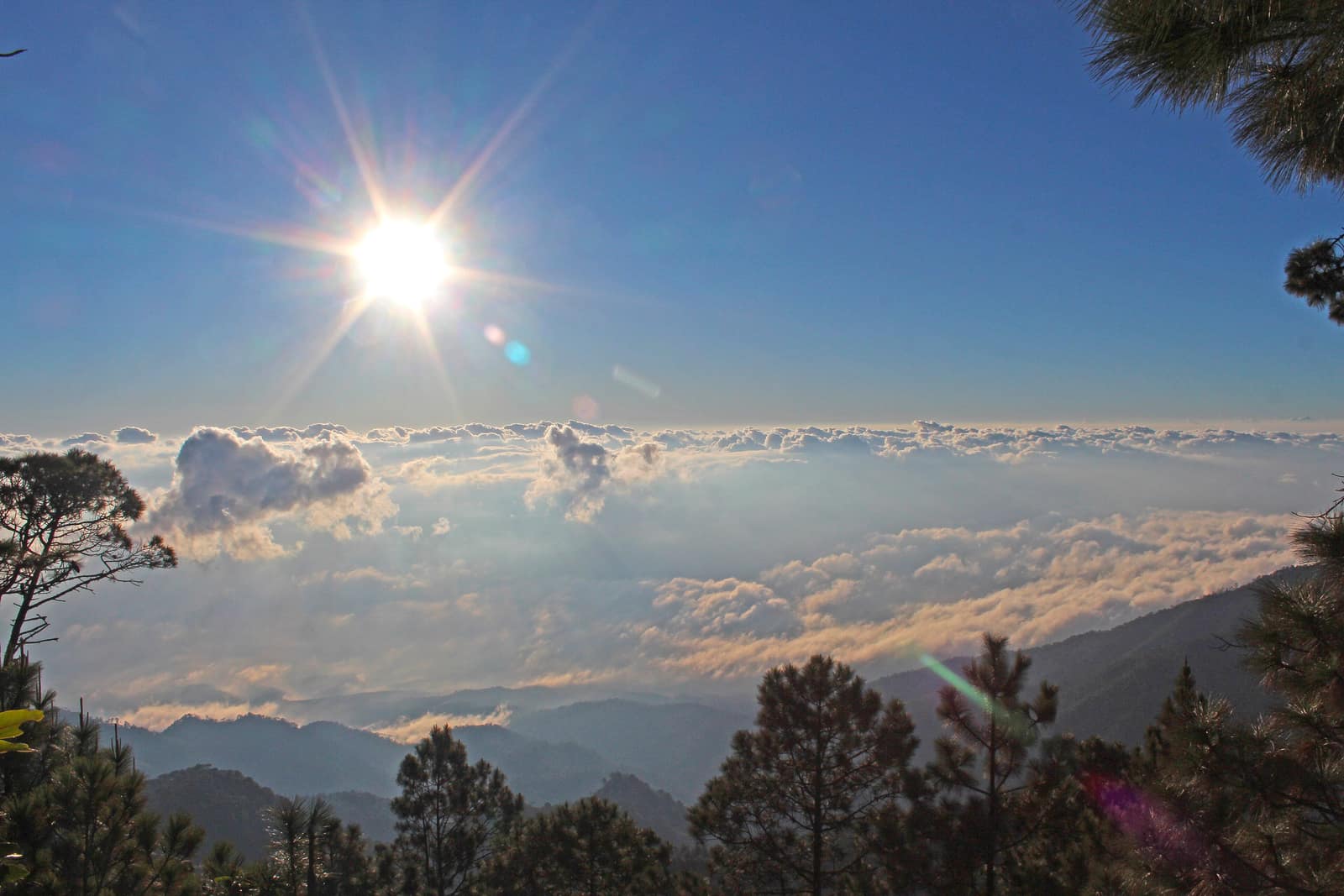
Honduras
Copán Highland Traverse
Copán Ruinas & western highlands (Honduras)
Maya stelae stand in mist among macaws. Trails climb into pine highland where coffee and cloud forest trade places with altitude.
- Duration
- 8 days
- Effort
- Moderate
- Window
- Nov–Apr
$4,800–$7,100
Detail →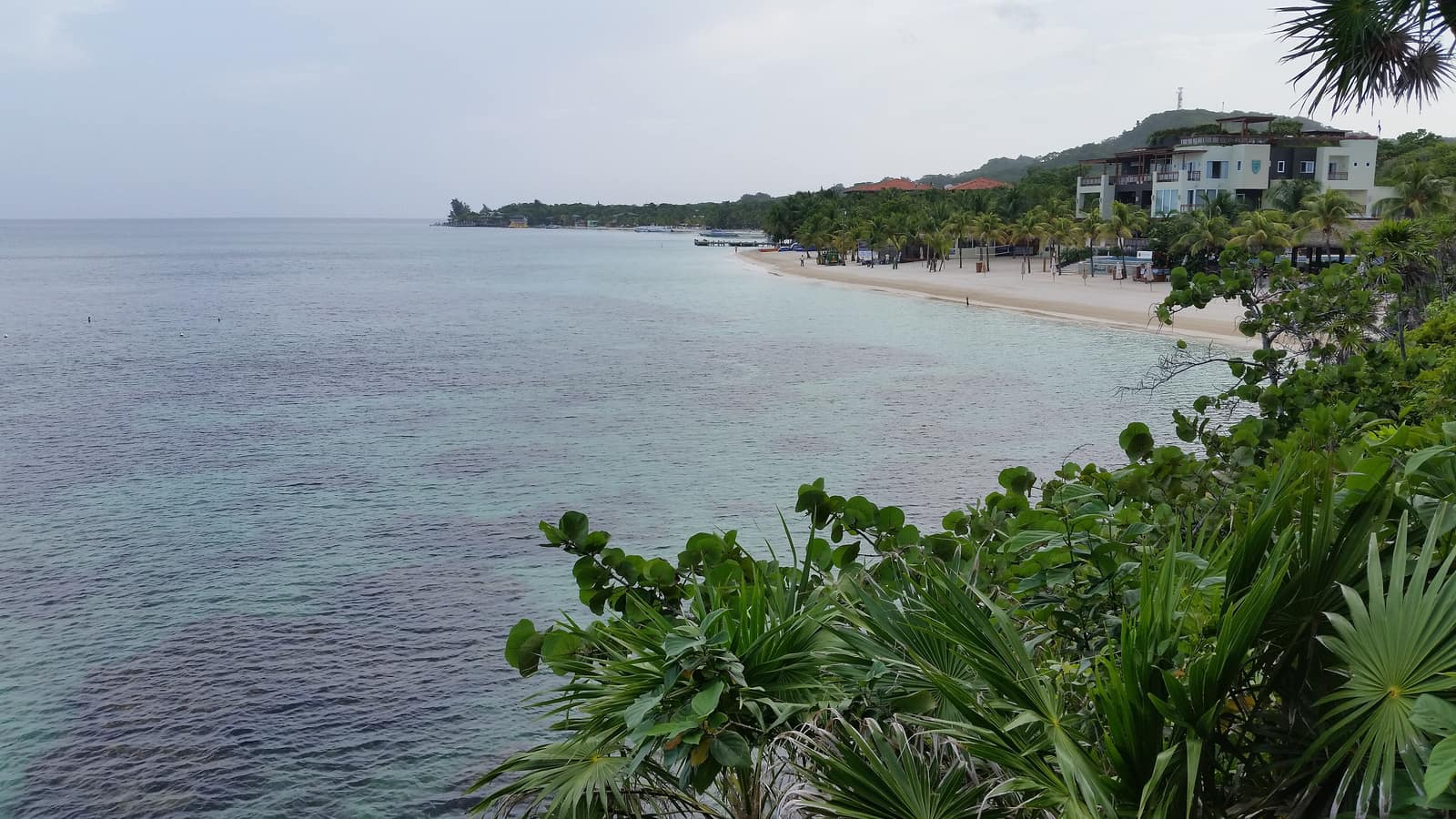
Honduras
Roatán Reef Island Circuit
Bay Islands
Wall dives drop into cobalt; seahorses cling to coral heads in the shallows. Shore paths run through mangroves to empty coves.
- Duration
- 7 days
- Effort
- Easy
- Window
- Year-round
$5,600–$8,500
Detail →From the ground
Frames from this route family and country — not a studio set, and not a promise of identical weather.