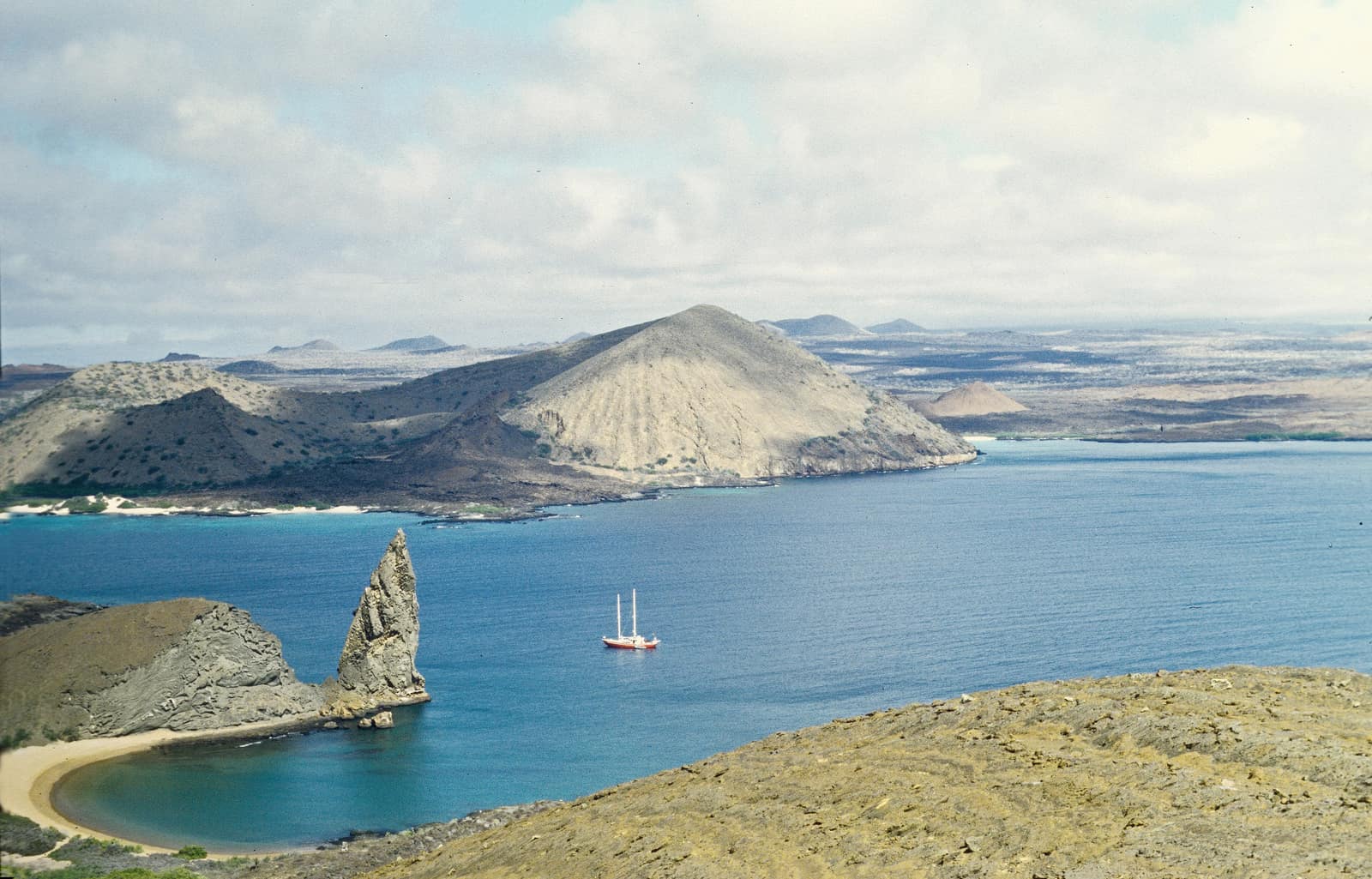
Galápagos Island Crossing
Galápagos Archipelago
Marine iguanas crowd black lava while hammerheads cruise the channel. Each island resets the ecology; landings feel like stepping into deep time.
By invitation
This one is inquire-only and stays that way. Whether it can run at all turns on a permit cap, a compliance regime, a current security read, or consent held by the community whose ground it crosses. Read the access notes, tell us what you have in mind, and we will give you a straight answer — including no.
- Days
- 10
- Effort
- Easy
- Window
- Year-round
- From
- On inquiry
The ground
The constraint that shapes every Galápagos trip is the permit. The national park assigns each vessel a fixed itinerary on a rotation, and you choose a boat and its route. You do not choose islands. Anyone offering to build you a custom island list is describing something that does not exist.
Which is why this is inquire-only. Matching what you want, hammerheads at Wolf and Darwin, waved albatross on Española, the western volcanoes and flightless cormorants of Fernandina and Isabela, to a vessel that actually holds that permit in your date range is the whole job.
The wildlife does not care about you, and that is the experience. Marine iguanas pile on black lava, sea lions sleep on the landing steps, and blue-footed boobies display a metre from the trail because nothing here evolved to run from a primate.
Galápagos Archipelago, Ecuador. Working elevation runs Sea level; highland crater rims to about 600 m. That profile shapes sleep, pace, and how early the group needs to move. The published window: Year-round. Choose by water: December to May for calm crossings and warm snorkelling, June to November for cool nutrient-rich water and peak marine activity. Within that window, day order still flexes with weather and access.
Park entry rose to $200 for international adults on 1 August 2024, plus the $20 transit card. Both are collected on arrival, and cash is the reliable method. Visitor sites require a park-certified naturalist guide. Independent visits to protected sites are not allowed; only the four populated towns can be walked freely. Private charter where a suitable vessel and permit align; otherwise a cabin on a small expedition yacht. Full private charter of a good boat is a six-figure week and we say so up front. This is the operating shape of the trip: private enough to reorder days, constrained enough that permits and local rules still set the ceiling.
Shape of the days
A shape, not a script. Order and pacing move with weather, permits, and how the first days actually go.
Stage 1
Mainland and cards
Stage 1 covers Mainland and cards. Quito or Guayaquil night, INGALA transit control card at mainland check-in, and the flight to Baltra or San Cristóbal. The day order inside this block can shift when weather or access forces a rewrite. Field days stay inside the ground already described for Ecuador. The constraint that shapes every Galápagos trip is the permit. Park entry rose to $200 for international adults on 1 August 2024, plus the $20 transit card. Both are collected on arrival, and cash is the reliable method. Private charter where a suitable vessel and permit align; otherwise a cabin on a small expedition yacht. Expect a full field day measured in hours on foot, on the water, or in transit between sectors already named above. Private guiding means we can shorten or reorder, not that the underlying constraints disappear. Which is why this is inquire-only. Matching what you want, hammerheads at Wolf and Darwin, waved albatross on Española, the western volcanoes and flightless cormorants of Fernandina and Isabela, to a vessel that actually holds that permit in your date range is the whole job. Geography stays inside Galápagos Archipelago, Ecuador. Season logic we plan against: Year-round. Choose by water: December to May for calm crossings and warm snorkelling, June to November for cool nutrient-rich water and peak marine activity. For kit on these days: Reef-safe sunscreen, a rash vest, and a hat you can lose overboard without grief.
Stage 2
Permitted vessel itinerary
Stage 2 covers Permitted vessel itinerary. Your boat's park-assigned route, western, northern, or southern loop. We match vessel and permit to your wildlife priorities rather than the reverse. The day order inside this block can shift when weather or access forces a rewrite. Field days stay inside the ground already described for Ecuador. Which is why this is inquire-only. Visitor sites require a park-certified naturalist guide. Independent visits to protected sites are not allowed; only the four populated towns can be walked freely. Private charter where a suitable vessel and permit align; otherwise a cabin on a small expedition yacht. Expect a full field day measured in hours on foot, on the water, or in transit between sectors already named above. Private guiding means we can shorten or reorder, not that the underlying constraints disappear. The wildlife does not care about you, and that is the experience. Marine iguanas pile on black lava, sea lions sleep on the landing steps, and blue-footed boobies display a metre from the trail because nothing here evolved to run from a primate. Geography stays inside Galápagos Archipelago, Ecuador. Season logic we plan against: Year-round. Choose by water: December to May for calm crossings and warm snorkelling, June to November for cool nutrient-rich water and peak marine activity. For kit on these days: Reef-safe sunscreen, a rash vest, and a hat you can lose overboard without grief.
Stage 3
Landings and water
Stage 3 covers Landings and water. Naturalist-led landings, panga rides, and snorkelling on the schedule the park sets. No off-trail movement. The day order inside this block can shift when weather or access forces a rewrite. Field days stay inside the ground already described for Ecuador. The wildlife does not care about you, and that is the experience. Vessel itineraries are assigned by the park directorate on a fixed rotation. Availability, not preference, decides what you can see in a given week. Private charter where a suitable vessel and permit align; otherwise a cabin on a small expedition yacht. Expect a full field day measured in hours on foot, on the water, or in transit between sectors already named above. Private guiding means we can shorten or reorder, not that the underlying constraints disappear. The constraint that shapes every Galápagos trip is the permit. The national park assigns each vessel a fixed itinerary on a rotation, and you choose a boat and its route. You do not choose islands. Anyone offering to build you a custom island list is describing something that does not exist. Geography stays inside Galápagos Archipelago, Ecuador. Season logic we plan against: Year-round. Choose by water: December to May for calm crossings and warm snorkelling, June to November for cool nutrient-rich water and peak marine activity. For kit on these days: Reef-safe sunscreen, a rash vest, and a hat you can lose overboard without grief.
Stage 4
Exit
Stage 4 covers Exit. Return flight from Baltra or San Cristóbal, with a mainland night before any international connection. The day order inside this block can shift when weather or access forces a rewrite. Exit logistics follow the same transfer pattern already built into the programme. Visitor sites require a park-certified naturalist guide. Independent visits to protected sites are not allowed; only the four populated towns can be walked freely. International connections should leave buffer after the last field day; late-evening flights only when the ground day is genuinely short. The last day is deliberately lighter where the catalogue allows it, so extraction does not collide with a hard physical ask. Which is why this is inquire-only. Matching what you want, hammerheads at Wolf and Darwin, waved albatross on Española, the western volcanoes and flightless cormorants of Fernandina and Isabela, to a vessel that actually holds that permit in your date range is the whole job. Geography stays inside Galápagos Archipelago, Ecuador. Season logic we plan against: Year-round. Choose by water: December to May for calm crossings and warm snorkelling, June to November for cool nutrient-rich water and peak marine activity. Packing still matters here: Reef-safe sunscreen, a rash vest, and a hat you can lose overboard without grief.
Conditions
Two seasons rather than wet and dry. December to May is warmer, calmer, and wetter, with water around 25 °C. June to November is the garúa season, cooler air, choppier crossings, richer water around 20–22 °C and the best big-animal activity. Both are good; they are different trips.
Fitness bar
Easy to moderate. Wet and dry landings from inflatables, uneven lava walking, and snorkelling in open water with some current. Swimming competence matters more than fitness.
Best months
Year-round. Choose by water: December to May for calm crossings and warm snorkelling, June to November for cool nutrient-rich water and peak marine activity.
Private or small group
Private charter where a suitable vessel and permit align; otherwise a cabin on a small expedition yacht. Full private charter of a good boat is a six-figure week and we say so up front.
What to bring
Reef-safe sunscreen, a rash vest, and a hat you can lose overboard without grief. Shoes you can soak for wet landings and closed shoes for lava walking. Wetsuits are supplied; the garúa season water wants one.
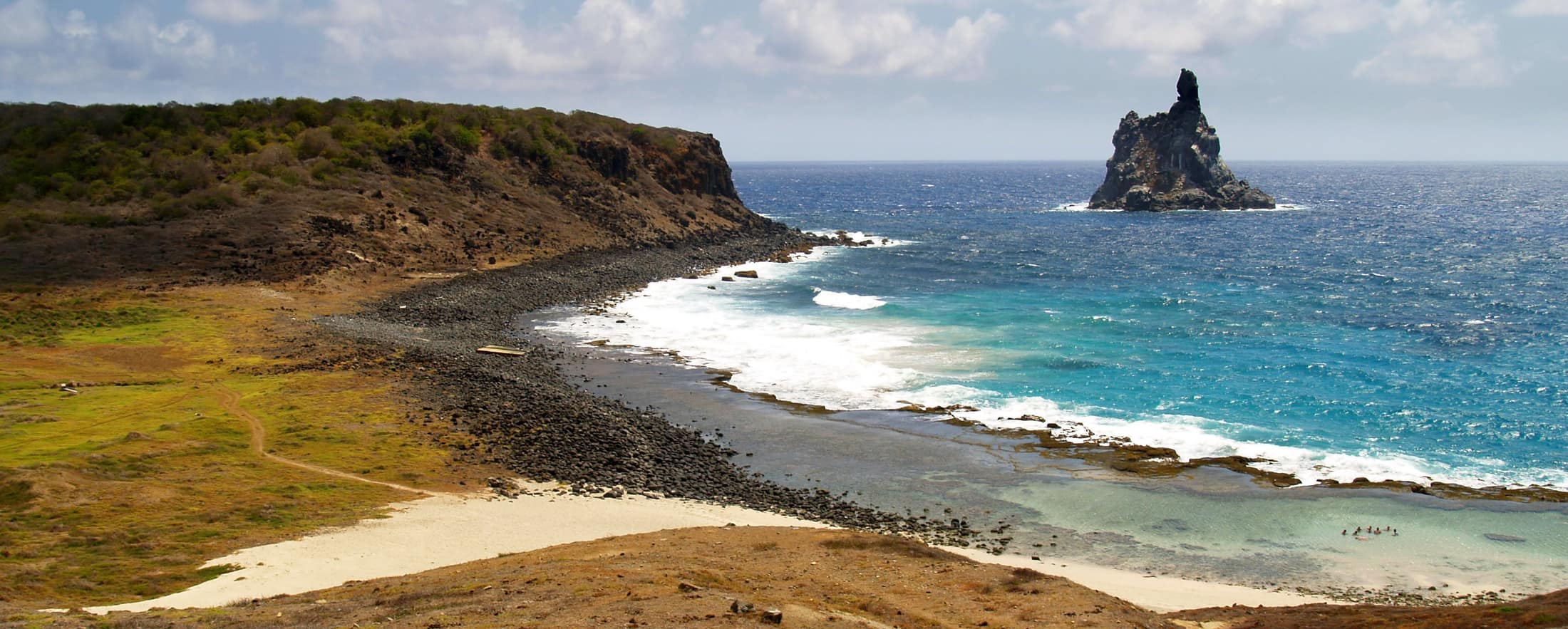
Coasts & Islands
Access and permits
The constraints that actually decide whether a date is possible.
- Park entry rose to $200 for international adults on 1 August 2024, plus the $20 transit card. Both are collected on arrival, and cash is the reliable method.
- Visitor sites require a park-certified naturalist guide. Independent visits to protected sites are not allowed; only the four populated towns can be walked freely.
- Vessel itineraries are assigned by the park directorate on a fixed rotation. Availability, not preference, decides what you can see in a given week.
Included
- Galápagos National Park entrance fee, currently $200 per international adult
- INGALA transit control card, currently $20
- Park-certified naturalist guide and all permitted landings
- Vessel accommodation, all meals aboard, snorkel equipment and wetsuits
- Daily field briefings with the lead guide before departure
Not included
- Islands outside your vessel's assigned permit, not purchasable at any price
- Foreign-flag commercial charter, which is not permitted in the archipelago
- International and mainland-to-island flights unless bundled
- Diving at Wolf and Darwin, which requires a dedicated liveaboard
- Personal insurance, including medical and evacuation cover
What the price reflects
From about $11,000 per person for ten days done properly, and higher for the best vessels or a private charter. For reference, a luxury eight-day cabin often runs $7,500–12,000 for the cruise alone before flights, park fees, and mainland nights, which is why our floor sits where it does rather than lower. What moves a quote inside that picture is party size, season, and the lodge or camp class actually available for your dates. Private charter where a suitable vessel and permit align; otherwise a cabin on a small expedition yacht. Full private charter of a good boat is a six-figure week and we say so up front. On the included side, the band already assumes items such as: Galápagos National Park entrance fee, currently $200 per international adult; INGALA transit control card, currently $20; Park-certified naturalist guide and all permitted landings. Still outside the band unless we write them in: Islands outside your vessel's assigned permit, not purchasable at any price; Foreign-flag commercial charter, which is not permitted in the archipelago; International and mainland-to-island flights unless bundled. Nothing is confirmed until it is confirmed in writing.
- Party size
- Per-person cost usually falls as the private team is shared across more guests, up to the format limit implied by the guiding and lodge picture. Private charter where a suitable vessel and permit align; otherwise a cabin on a small expedition yacht.
- Season and dates
- Window on the card: Year-round. Planning note: Year-round. Choose by water: December to May for calm crossings and warm snorkelling, June to November for cool nutrient-rich water and peak marine activity. Peak dates inside that window tighten lodge and permit availability, which is what usually pushes a quote toward the top of a published band.
- Lodge or camp class
- Accommodation in the band reflects: Vessel accommodation, all meals aboard, snorkel equipment and wetsuits. Moving up or down a class, or shifting to a scarcer property, changes the quote without changing the route.
- Internal transport
- Transfers and regional legs follow the trip design. Watch for: International and mainland-to-island flights unless bundled. Charter or peak-season domestic seats, where they apply, sit outside a simple road transfer.
- Permits and access
- Access cost tracks what the ground already requires. Galápagos National Park entrance fee, currently $200 per international adult We do not invent fee figures beyond what the catalogue already states.
- Outside the band
- Not assumed unless written in: Islands outside your vessel's assigned permit, not purchasable at any price; Foreign-flag commercial charter, which is not permitted in the archipelago; International and mainland-to-island flights unless bundled.
Bands are per person sharing and move with party size, season, and lodge choice. Nothing is confirmed until it is confirmed in writing. How we price.
Where this is
Galápagos Archipelago, Ecuador.
Elevation: Sea level; highland crater rims to about 600 m. Season as published: Year-round. Difficulty as assessed: Easy.
What we checked
Seasons, altitudes, permits, and caps on this page were checked against park authorities, monitoring agencies, and operators on the ground. Where a fact changes with the year, we say so rather than round it off.
Near this
Same terrain, different week
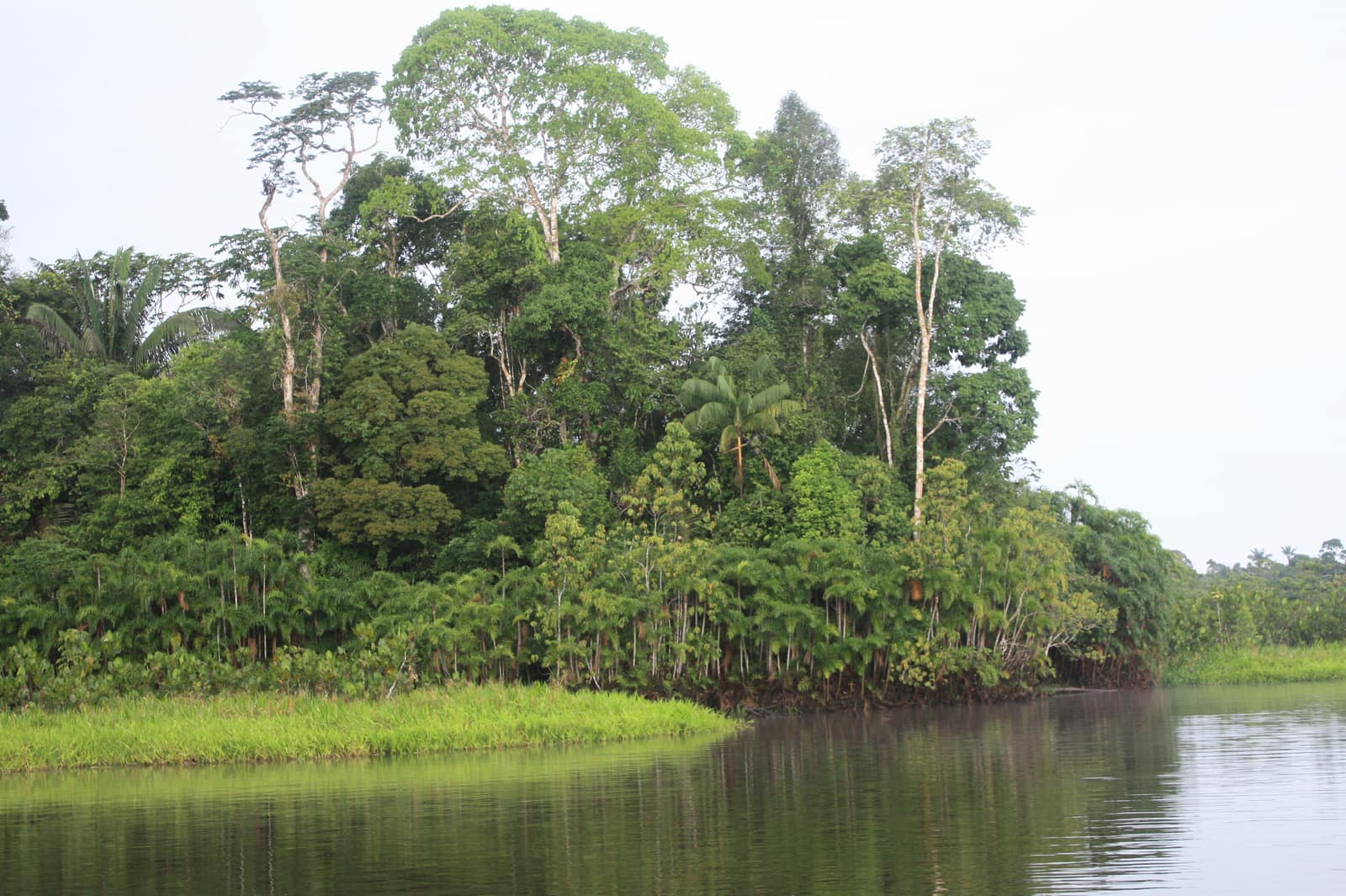
Ecuador
Amazon Canopy & River
Parque Nacional Yasuní & cuenca del Napo
Dawn mist lifts off blackwater channels as howler monkeys claim the canopy. Night walks reveal eyeshine in a forest that never truly sleeps.
- Duration
- 10 days
- Effort
- Moderate
- Window
- Year-round
$7,200–$10,500
Detail →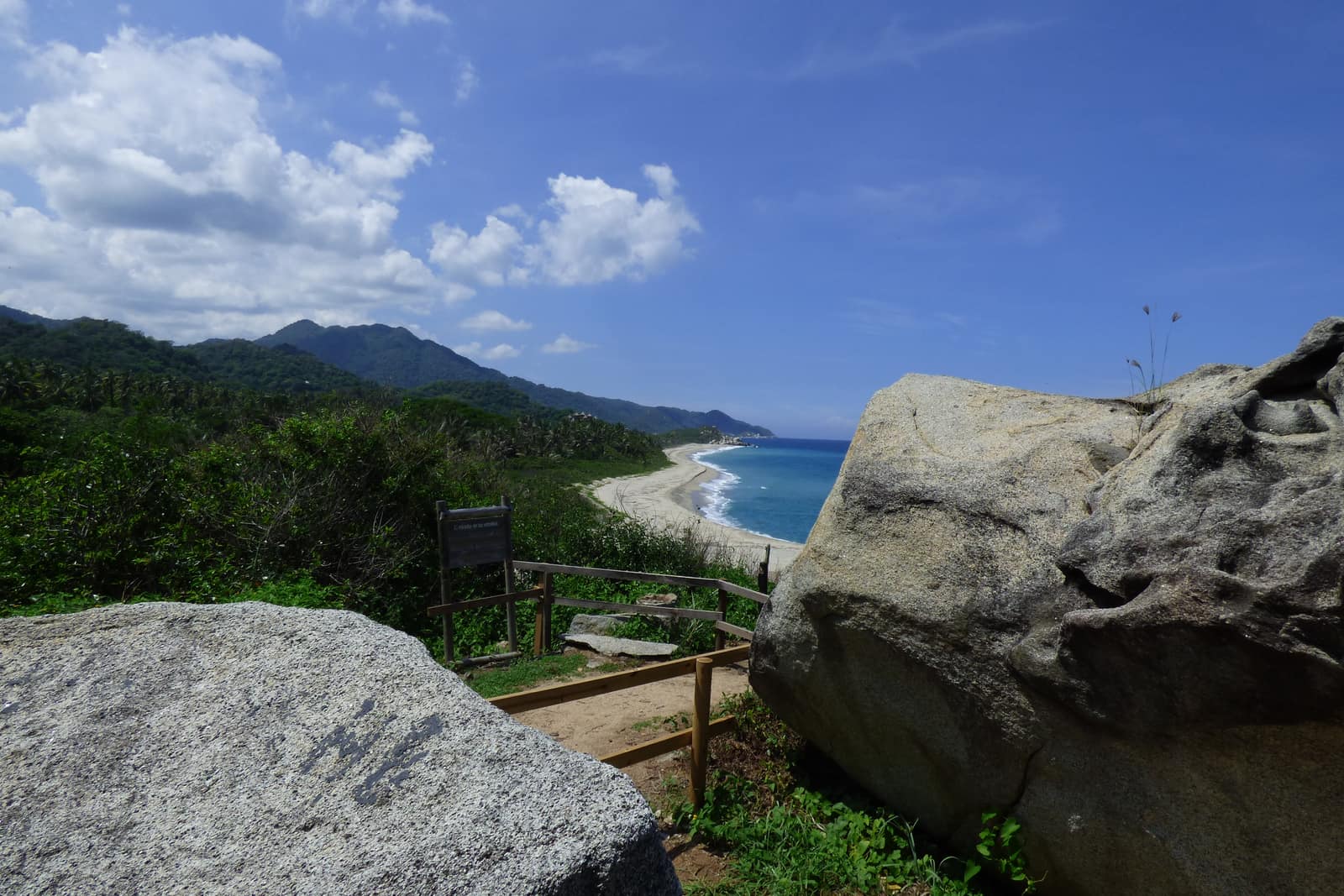
Colombia
Sierra Nevada Caribbean Arc
Sierra Nevada de Santa Marta & Caribbean Coast
Trade winds meet cloud forest on the world's highest coastal range. Authorized mid-elevation trails and Tayrona/Ciudad Perdida corridors—páramo and nevados remain closed sacred territory.
- Duration
- 11 days
- Effort
- Challenging
- Window
- Dec–Mar
$8,500–$12,000
Detail →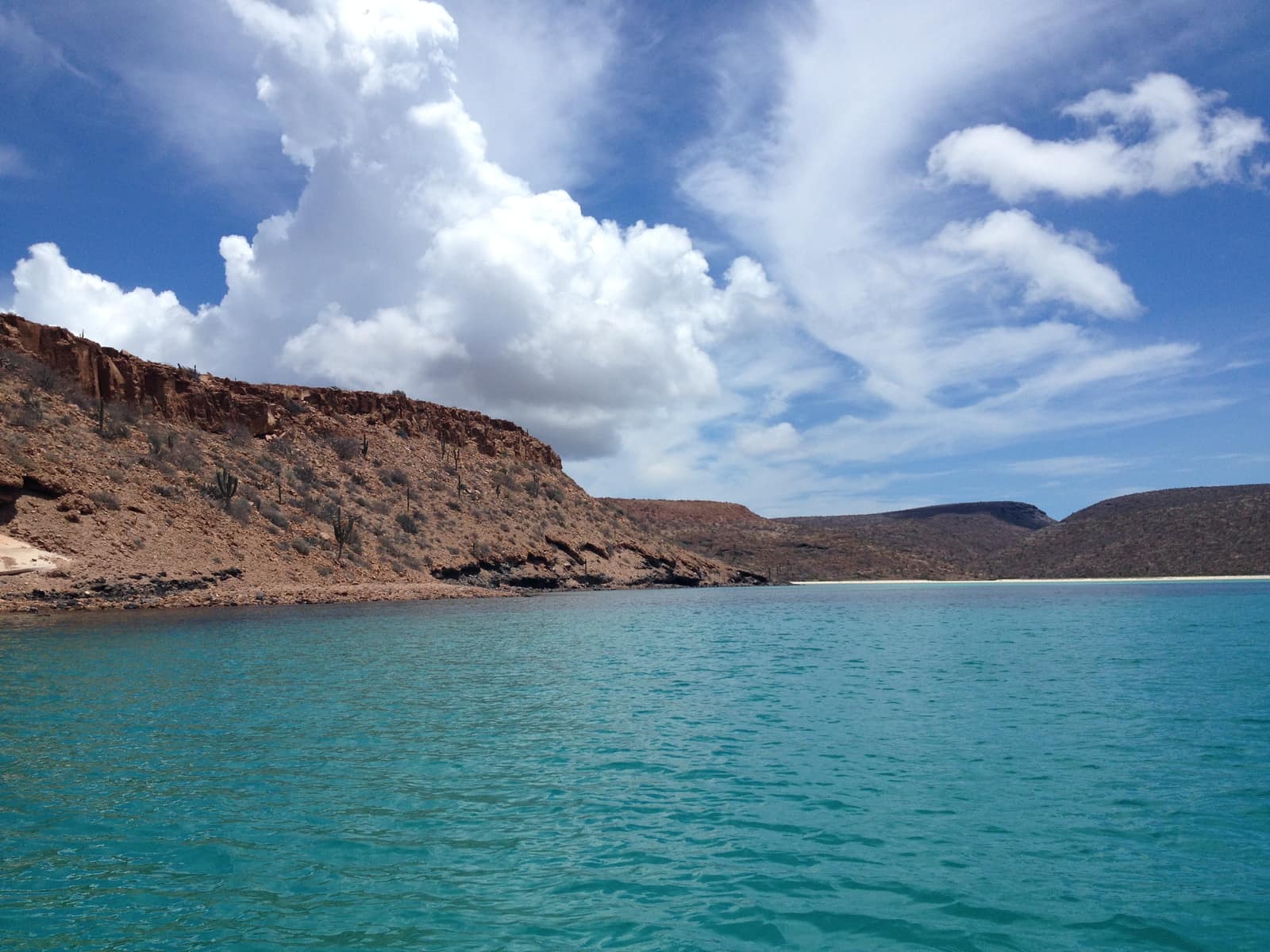
Mexico
Baja Sea of Cortez Crossing
Loreto to La Paz
Kayak past sea lions on desert islands while whale breath plumes the channel. Camp on beaches where the desert meets deep blue water.
- Duration
- 9 days
- Effort
- Moderate
- Window
- Oct–Nov & Mar–Apr
$7,800–$11,200
Detail →From the ground
Frames from this route family and country — not a studio set, and not a promise of identical weather.