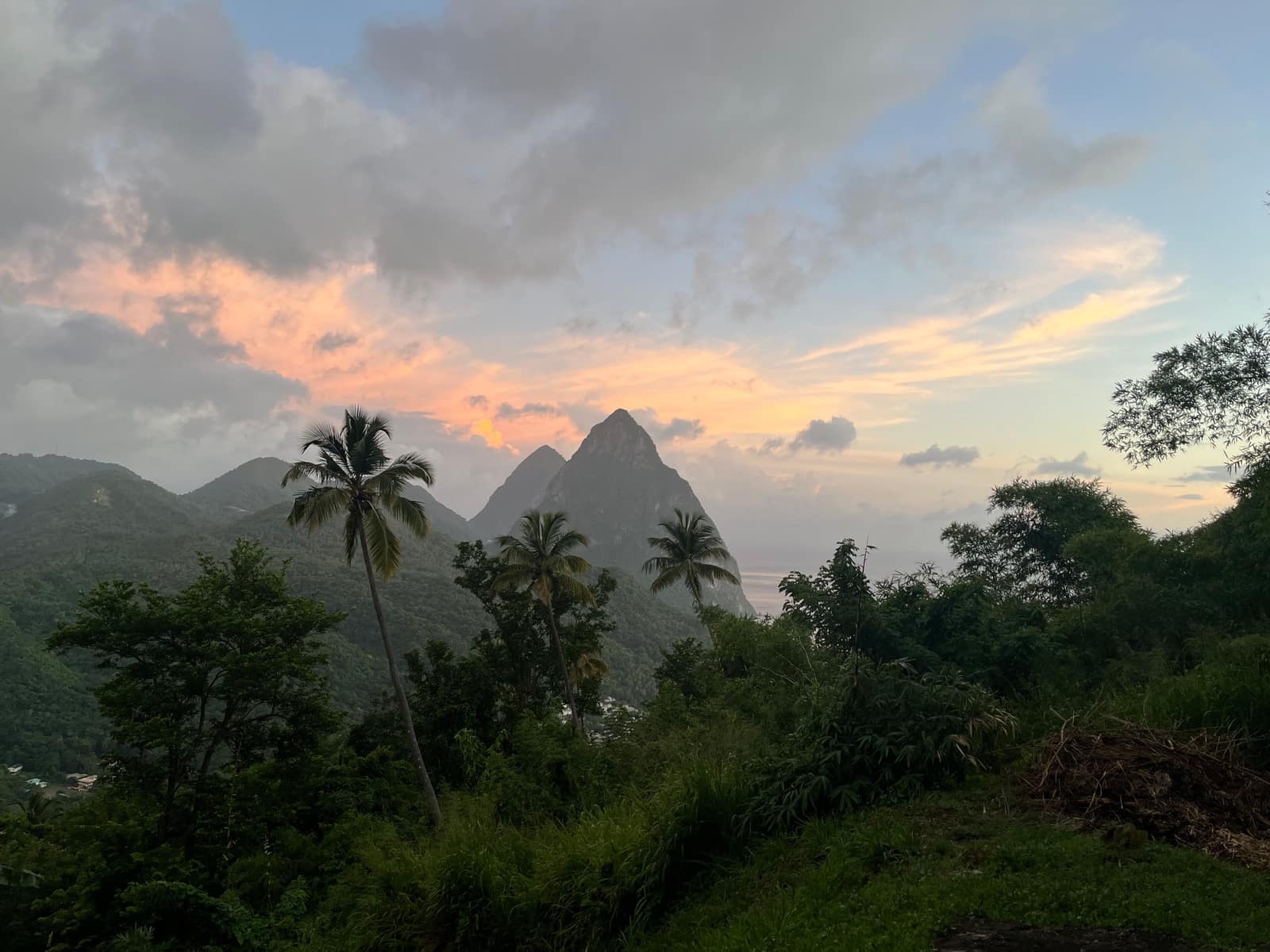
Saint Lucia Pitons Coast
Soufrière & Pitons, St Lucia
Twin volcanic spires rise from the Caribbean; trails climb through rainforest to their saddles. Sulfur springs steam below cocoa slopes.
- Days
- 7
- Effort
- Moderate
- Window
- Dec–Apr
- From
- $6,800
The ground
The Pitons are volcanic plugs, Gros Piton at 771 m and Petit Piton at 743 m, rising straight out of the sea, and the UNESCO listing covers both plus the marine area and the geothermal field between them. They are the most photographed thing in the Eastern Caribbean and, unusually, they hold up in person.
To be exact about the climbing: Gros Piton has an established trail to the summit and a mandatory local guide, and it is a steep four-hour round trip. Petit Piton is steeper, partly a scramble with fixed ropes, and access is restricted and discouraged. Anyone selling you both as a matter of course is overselling.
Sulphur Springs at Soufrière is marketed as the world's only drive-in volcano, which is roughly true, you drive into the collapsed caldera of Qualibou and walk among fumaroles and boiling mud. The reef under the Pitons is the other half: the Anse Chastanet marine reserve drops straight off the beach.
Pitons Management Area and Soufrière, Saint Lucia. UNESCO World Heritage. Working elevation runs Sea level · Gros Piton 771 m · Petit Piton 743 m. That profile shapes sleep, pace, and how early the group needs to move. The published window: December through April. Within that window, day order still flexes with weather and access.
Gros Piton can only be climbed with a guide registered at the interpretive centre. The fee funds the trail and the local guide association. Petit Piton access is restricted and actively discouraged by the authorities; it involves unprotected scrambling and we will not sell it casually. Private guiding with the mandatory Gros Piton local guides, resort-based near Soufrière. Small-group departures up to ten. This is the operating shape of the trip: private enough to reorder days, constrained enough that permits and local rules still set the ceiling.
Shape of the days
A shape, not a script. Order and pacing move with weather, permits, and how the first days actually go.
Day 1
Soufrière: opening
Day 1 sits inside the 1–2 arc titled Soufrière. Arrival on the west coast, orientation, and the Diamond Falls botanical gardens and mineral baths. This opening slice sets the logistics and the first read of the ground before the denser days. Arrival and orientation use the published access picture. Gros Piton can only be climbed with a guide registered at the interpretive centre. The fee funds the trail and the local guide association. Elevation context for the programme: Sea level · Gros Piton 771 m · Petit Piton 743 m. Sleep and walk length are graded against that, not against a generic fitness brochure. Early days protect the later ones. We do not burn the group on a full-length day before the body has met the altitude, heat, or boat rhythm this route actually uses. To be exact about the climbing: Gros Piton has an established trail to the summit and a mandatory local guide, and it is a steep four-hour round trip. Petit Piton is steeper, partly a scramble with fixed ropes, and access is restricted and discouraged. Anyone selling you both as a matter of course is overselling. Geography stays inside Pitons Management Area and Soufrière, Saint Lucia. UNESCO World Heritage. Season logic we plan against: December through April. Packing still matters here: Grippy shoes for a steep stepped ascent, 2 litres of water, and sun protection for an exposed trail that starts early because it gets hot.
Day 2
Soufrière: continuation
Day 2 sits inside the 1–2 arc titled Soufrière. Arrival on the west coast, orientation, and the Diamond Falls botanical gardens and mineral baths. This closing slice of the block consolidates what the earlier days opened, without inventing a new sector. Arrival and orientation use the published access picture. Petit Piton access is restricted and actively discouraged by the authorities; it involves unprotected scrambling and we will not sell it casually. Elevation context for the programme: Sea level · Gros Piton 771 m · Petit Piton 743 m. Sleep and walk length are graded against that, not against a generic fitness brochure. Early days protect the later ones. We do not burn the group on a full-length day before the body has met the altitude, heat, or boat rhythm this route actually uses. Petit Piton is steeper, partly a scramble with fixed ropes, and access is restricted and discouraged. Anyone selling you both as a matter of course is overselling. Geography stays inside Pitons Management Area and Soufrière, Saint Lucia. UNESCO World Heritage. Season logic we plan against: December through April. Packing still matters here: Grippy shoes for a steep stepped ascent, 2 litres of water, and sun protection for an exposed trail that starts early because it gets hot.
Day 3
Gros Piton
Day 3 sits inside the 3 arc titled Gros Piton. Early guided ascent, 771 m, four hours round trip, steep and continuous, with the interpretive centre at the base. The day order inside this block can shift when weather or access forces a rewrite. This is the denser stretch. Gros Piton can only be climbed with a guide registered at the interpretive centre. The fee funds the trail and the local guide association. Fitness for the block: Moderate to challenging. Gros Piton is 771 m of near-continuous stepped ascent in heat over about four hours. Conditions: Warm and humid, 26–31 °C. Expect a full field day measured in hours on foot, on the water, or in transit between sectors already named above. Private guiding means we can shorten or reorder, not that the underlying constraints disappear. The Pitons are volcanic plugs, Gros Piton at 771 m and Petit Piton at 743 m, rising straight out of the sea, and the UNESCO listing covers both plus the marine area and the geothermal field between them. They are the most photographed thing in the Eastern Caribbean and, unusually, they hold up in person. Geography stays inside Pitons Management Area and Soufrière, Saint Lucia. UNESCO World Heritage. Season logic we plan against: December through April. For kit on these days: Grippy shoes for a steep stepped ascent, 2 litres of water, and sun protection for an exposed trail that starts early because it gets hot.
Day 4
Geothermal and rainforest: opening
Day 4 sits inside the 4–5 arc titled Geothermal and rainforest. Sulphur Springs and the Qualibou caldera, the Tet Paul nature trail for the classic Piton view, and the Edmund forest reserve for St Lucia parrot. This opening slice sets the logistics and the first read of the ground before the denser days. Field days stay inside the ground already described for Saint Lucia. The Pitons are volcanic plugs, Gros Piton at 771 m and Petit Piton at 743 m, rising straight out of the sea, and the UNESCO listing covers both plus the marine area and the geothermal field between them. Petit Piton access is restricted and actively discouraged by the authorities; it involves unprotected scrambling and we will not sell it casually. Private guiding with the mandatory Gros Piton local guides, resort-based near Soufrière. Expect a full field day measured in hours on foot, on the water, or in transit between sectors already named above. Private guiding means we can shorten or reorder, not that the underlying constraints disappear. To be exact about the climbing: Gros Piton has an established trail to the summit and a mandatory local guide, and it is a steep four-hour round trip. Petit Piton is steeper, partly a scramble with fixed ropes, and access is restricted and discouraged. Anyone selling you both as a matter of course is overselling. Geography stays inside Pitons Management Area and Soufrière, Saint Lucia. UNESCO World Heritage. Season logic we plan against: December through April. For kit on these days: Grippy shoes for a steep stepped ascent, 2 litres of water, and sun protection for an exposed trail that starts early because it gets hot.
Day 5
Geothermal and rainforest: continuation
Day 5 sits inside the 4–5 arc titled Geothermal and rainforest. Sulphur Springs and the Qualibou caldera, the Tet Paul nature trail for the classic Piton view, and the Edmund forest reserve for St Lucia parrot. This closing slice of the block consolidates what the earlier days opened, without inventing a new sector. Field days stay inside the ground already described for Saint Lucia. To be exact about the climbing: Gros Piton has an established trail to the summit and a mandatory local guide, and it is a steep four-hour round trip. Gros Piton can only be climbed with a guide registered at the interpretive centre. The fee funds the trail and the local guide association. Private guiding with the mandatory Gros Piton local guides, resort-based near Soufrière. Expect a full field day measured in hours on foot, on the water, or in transit between sectors already named above. Private guiding means we can shorten or reorder, not that the underlying constraints disappear. Petit Piton is steeper, partly a scramble with fixed ropes, and access is restricted and discouraged. Anyone selling you both as a matter of course is overselling. Geography stays inside Pitons Management Area and Soufrière, Saint Lucia. UNESCO World Heritage. Season logic we plan against: December through April. For kit on these days: Grippy shoes for a steep stepped ascent, 2 litres of water, and sun protection for an exposed trail that starts early because it gets hot.
Days 6–7
Reef and exit
Days 6–7 continue the Reef and exit block. Anse Chastanet and the marine reserve, Anse Cochon by boat, then departure from Hewanorra. The day order inside this block can shift when weather or access forces a rewrite. Exit logistics follow the same transfer pattern already built into the programme. Gros Piton can only be climbed with a guide registered at the interpretive centre. The fee funds the trail and the local guide association. International connections should leave buffer after the last field day; late-evening flights only when the ground day is genuinely short. The last day is deliberately lighter where the catalogue allows it, so extraction does not collide with a hard physical ask. The Pitons are volcanic plugs, Gros Piton at 771 m and Petit Piton at 743 m, rising straight out of the sea, and the UNESCO listing covers both plus the marine area and the geothermal field between them. They are the most photographed thing in the Eastern Caribbean and, unusually, they hold up in person. Geography stays inside Pitons Management Area and Soufrière, Saint Lucia. UNESCO World Heritage. Season logic we plan against: December through April. Packing still matters here: Grippy shoes for a steep stepped ascent, 2 litres of water, and sun protection for an exposed trail that starts early because it gets hot.
Conditions
Warm and humid, 26–31 °C. December to April is the dry season. Hurricane season runs June to November. The Gros Piton trail is exposed and hot after mid-morning, which is why the ascent starts early.
Fitness bar
Moderate to challenging. Gros Piton is 771 m of near-continuous stepped ascent in heat over about four hours. Everything else on the itinerary is easy.
Best months
December through April.
Private or small group
Private guiding with the mandatory Gros Piton local guides, resort-based near Soufrière. Small-group departures up to ten.
What to bring
Grippy shoes for a steep stepped ascent, 2 litres of water, and sun protection for an exposed trail that starts early because it gets hot. Reef-safe sunscreen for the marine reserve.
Coasts & Islands
Access and permits
The constraints that actually decide whether a date is possible.
- Gros Piton can only be climbed with a guide registered at the interpretive centre. The fee funds the trail and the local guide association.
- Petit Piton access is restricted and actively discouraged by the authorities; it involves unprotected scrambling and we will not sell it casually.
Included
- Gros Piton permit and mandatory local guide
- Sulphur Springs, Tet Paul, and reserve entries
- Resort accommodation on the Soufrière coast and all transfers
- Marine reserve snorkelling and boat days
- Daily field briefings with the lead guide before departure
Not included
- Petit Piton, which is restricted and which we do not run as standard
- International flights
- Diving certification
- Personal insurance, including medical and evacuation cover
- Tips for guides and lodge staff, which remain optional and separate
What the price reflects
$6,800–10,200 for seven days is in line with the better Soufrière-coast properties, with private guiding, the Piton permit, and marine reserve access included. Saint Lucia's high-end resort rates set this band more than the guiding does. What moves a quote inside that picture is party size, season, and the lodge or camp class actually available for your dates. Private guiding with the mandatory Gros Piton local guides, resort-based near Soufrière. Small-group departures up to ten. On the included side, the band already assumes items such as: Gros Piton permit and mandatory local guide; Sulphur Springs, Tet Paul, and reserve entries; Resort accommodation on the Soufrière coast and all transfers. Still outside the band unless we write them in: Petit Piton, which is restricted and which we do not run as standard; International flights; Diving certification. Nothing is confirmed until it is confirmed in writing.
- Party size
- Per-person cost usually falls as the private team is shared across more guests, up to the format limit implied by the guiding and lodge picture. Private guiding with the mandatory Gros Piton local guides, resort-based near Soufrière.
- Season and dates
- Window on the card: Dec–Apr. Planning note: December through April. Peak dates inside that window tighten lodge and permit availability, which is what usually pushes a quote toward the top of a published band.
- Lodge or camp class
- Accommodation in the band reflects: Resort accommodation on the Soufrière coast and all transfers. Moving up or down a class, or shifting to a scarcer property, changes the quote without changing the route.
- Internal transport
- Transfers and regional legs follow the trip design. Watch for: International flights. Charter or peak-season domestic seats, where they apply, sit outside a simple road transfer.
- Permits and access
- Access cost tracks what the ground already requires. Gros Piton permit and mandatory local guide We do not invent fee figures beyond what the catalogue already states.
- Outside the band
- Not assumed unless written in: Petit Piton, which is restricted and which we do not run as standard; International flights; Diving certification.
Bands are per person sharing and move with party size, season, and lodge choice. Nothing is confirmed until it is confirmed in writing. How we price.
Where this is
Pitons Management Area and Soufrière, Saint Lucia. UNESCO World Heritage.
Elevation: Sea level · Gros Piton 771 m · Petit Piton 743 m. Season as published: Dec–Apr. Difficulty as assessed: Moderate.
What we checked
Seasons, altitudes, permits, and caps on this page were checked against park authorities, monitoring agencies, and operators on the ground. Where a fact changes with the year, we say so rather than round it off.
Near this
Same terrain, different week
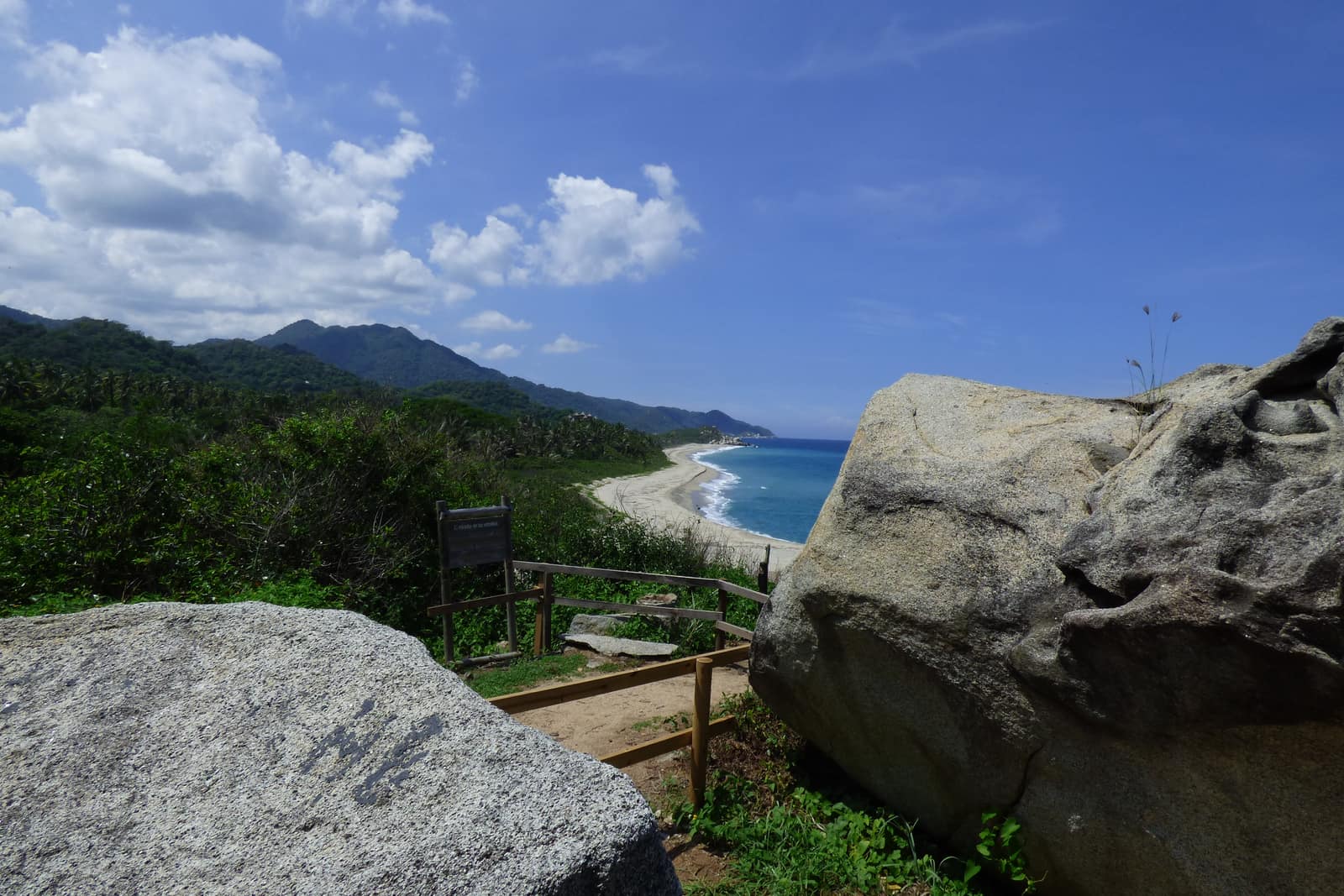
Colombia
Sierra Nevada Caribbean Arc
Sierra Nevada de Santa Marta & Caribbean Coast
Trade winds meet cloud forest on the world's highest coastal range. Authorized mid-elevation trails and Tayrona/Ciudad Perdida corridors—páramo and nevados remain closed sacred territory.
- Duration
- 11 days
- Effort
- Challenging
- Window
- Dec–Mar
$8,500–$12,000
Detail →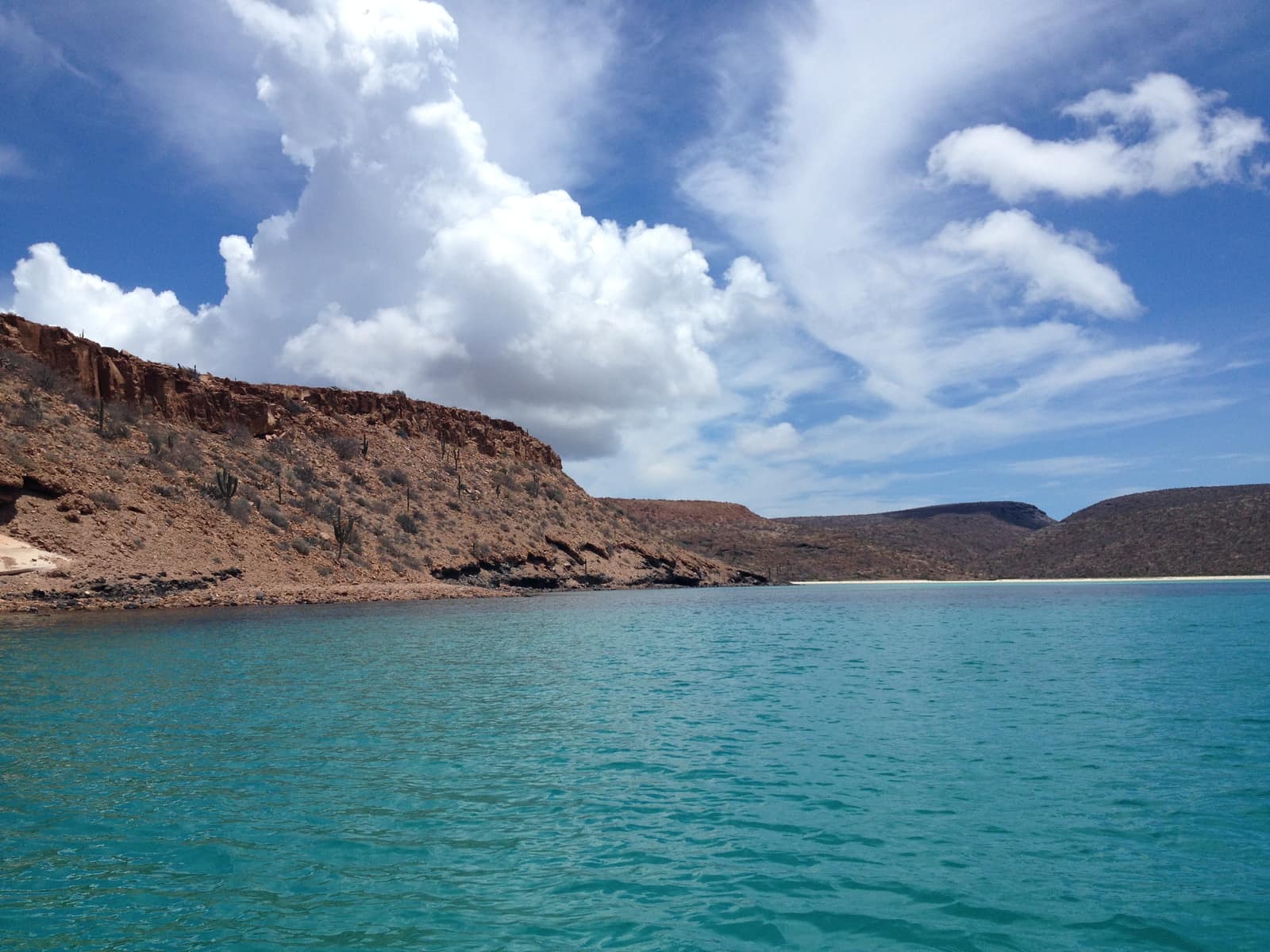
Mexico
Baja Sea of Cortez Crossing
Loreto to La Paz
Kayak past sea lions on desert islands while whale breath plumes the channel. Camp on beaches where the desert meets deep blue water.
- Duration
- 9 days
- Effort
- Moderate
- Window
- Oct–Nov & Mar–Apr
$7,800–$11,200
Detail →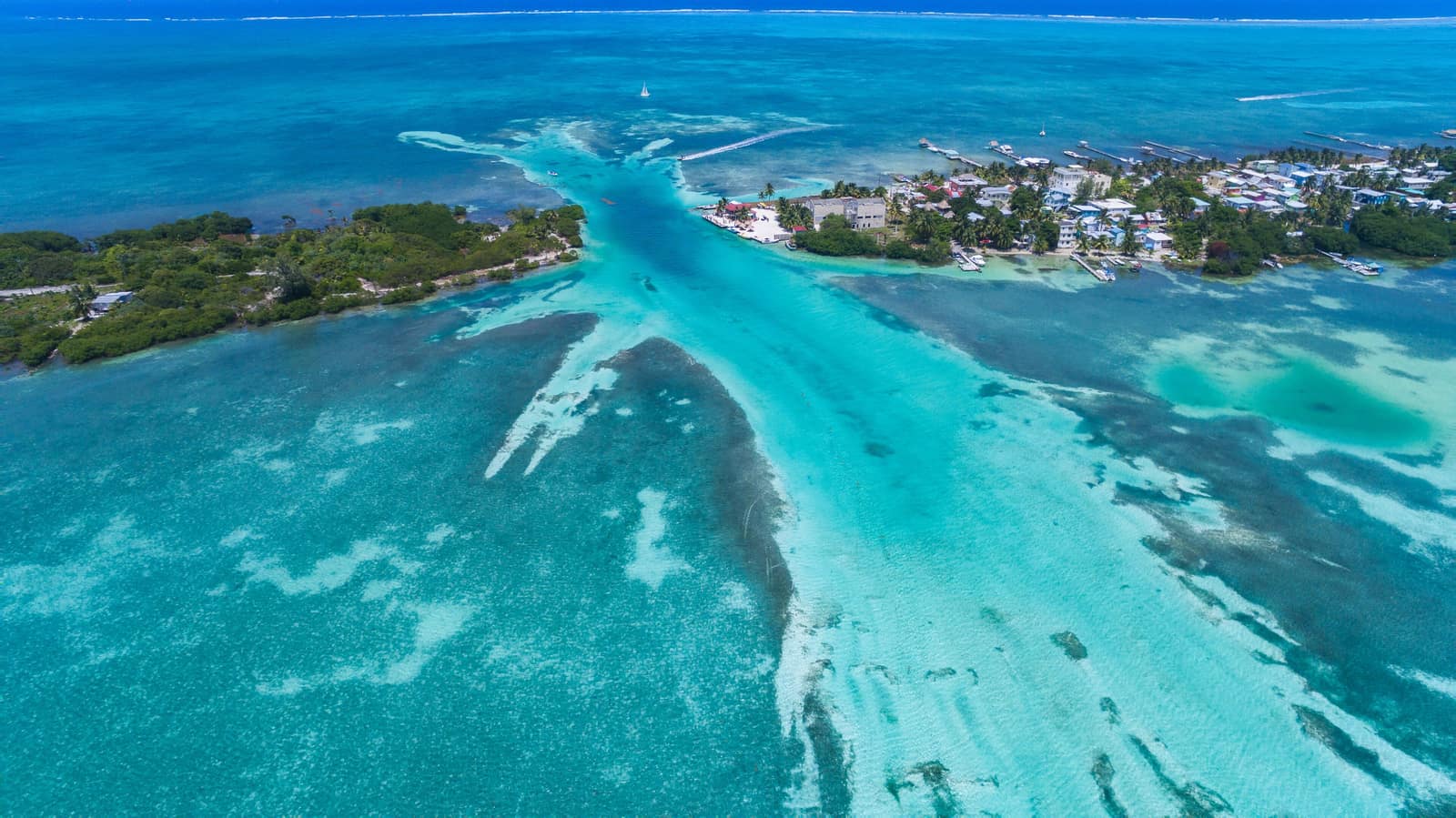
Belize
Belize Barrier Reef Circuit
Ambergris Caye to South Reef
Clear water over living coral walls; rays lift off sand as you drift the cut. Evenings bring trade wind and the smell of salt on wood decks.
- Duration
- 8 days
- Effort
- Easy
- Window
- Nov–Jun
$5,800–$8,900
Detail →From the ground
Frames from this route family and country — not a studio set, and not a promise of identical weather.