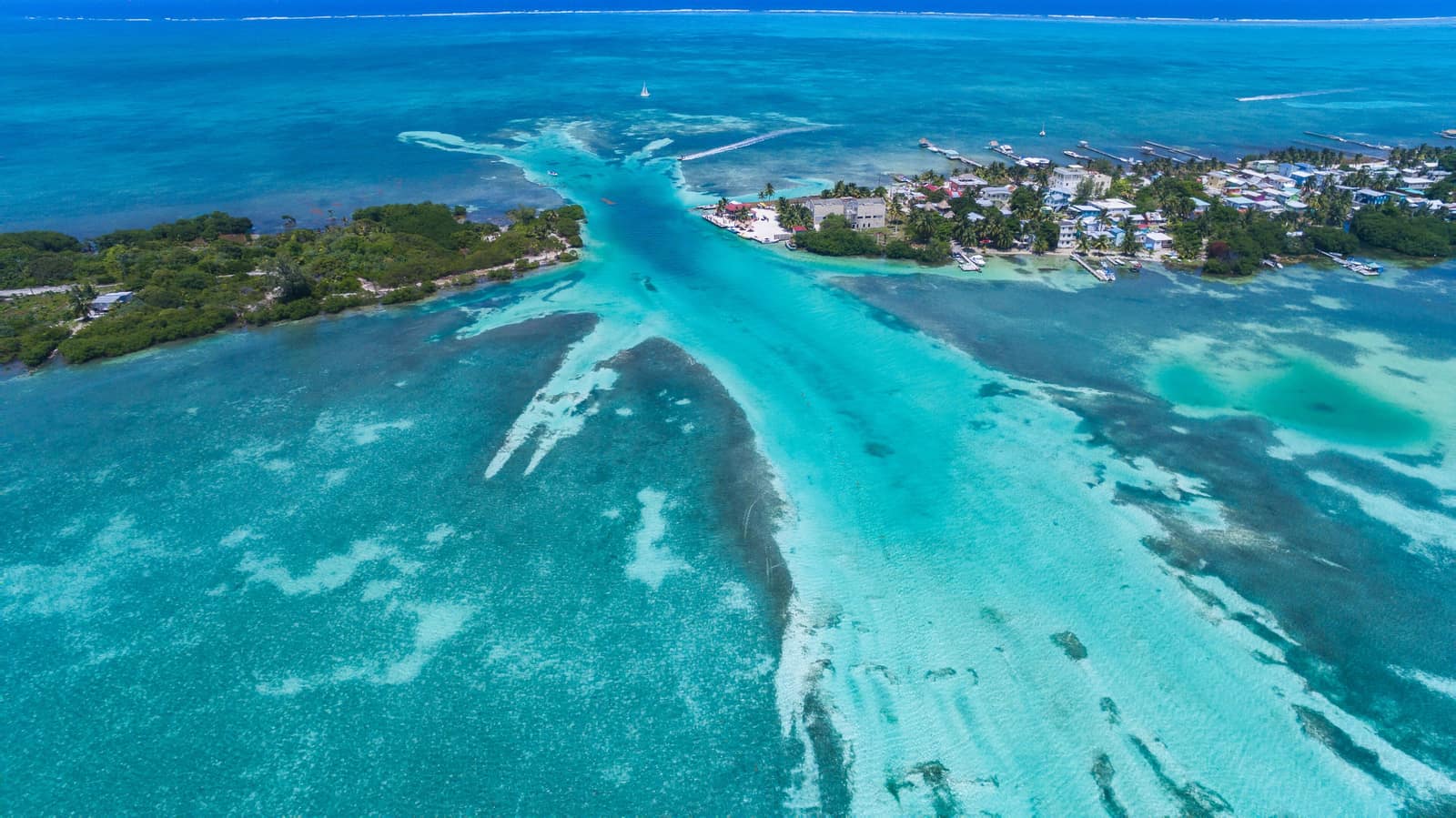
Belize Barrier Reef Circuit
Ambergris Caye to South Reef
Clear water over living coral walls; rays lift off sand as you drift the cut. Evenings bring trade wind and the smell of salt on wood decks.
- Days
- 8
- Effort
- Easy
- Window
- Nov–Jun
- From
- $5,800
The ground
The Belize Barrier Reef is the largest in the northern hemisphere and a UNESCO World Heritage site, and its structure is what makes the diving varied: a near-continuous barrier with cuts and channels, plus three true atolls offshore, Turneffe, Lighthouse, and Glover's, which almost nowhere else in the Atlantic has.
Days move between wall dives on the drop-off, drift dives through the cuts where eagle rays lift off the sand, and shallow patch reef for the slow stuff. Nurse sharks and southern stingrays at Hol Chan's Shark Ray Alley are habituated and reliable; the good coral is further south.
Whale sharks aggregate at Gladden Spit around the full moons of March to June, when snapper spawn. That is a real, dateable event and we build around the moon rather than the calendar month.
Belize Barrier Reef Reserve System, from Ambergris Caye to the southern reef. Working elevation runs Sea level. That profile shapes sleep, pace, and how early the group needs to move. The published window: November through June. March to June combines the best visibility with the whale shark window; hurricane peak is August to October. Within that window, day order still flexes with weather and access.
Marine reserve fees are charged per person per day and go to reserve management. Gladden Spit requires a licensed operator and enforces in-water conduct rules. Lionfish are an established invasive here and dive briefings cover them; ciguatera guidance is standard on reef fish. Private dive boat and guide, island-lodge based. Small-group departures up to eight divers. This is the operating shape of the trip: private enough to reorder days, constrained enough that permits and local rules still set the ceiling.
Shape of the days
A shape, not a script. Order and pacing move with weather, permits, and how the first days actually go.
Day 1
Ambergris or Caye Caulker: first movement
Day 1 sits inside the 1–3 arc titled Ambergris or Caye Caulker. Arrival, check dives, Hol Chan Marine Reserve, and the northern barrier walls. This opening slice sets the logistics and the first read of the ground before the denser days. Arrival and orientation use the published access picture. Marine reserve fees are charged per person per day and go to reserve management. Gladden Spit requires a licensed operator and enforces in-water conduct rules. Elevation context for the programme: Sea level. Sleep and walk length are graded against that, not against a generic fitness brochure. Early days protect the later ones. We do not burn the group on a full-length day before the body has met the altitude, heat, or boat rhythm this route actually uses. Days move between wall dives on the drop-off, drift dives through the cuts where eagle rays lift off the sand, and shallow patch reef for the slow stuff. Nurse sharks and southern stingrays at Hol Chan's Shark Ray Alley are habituated and reliable; the good coral is further south. Geography stays inside Belize Barrier Reef Reserve System, from Ambergris Caye to the southern reef. Season logic we plan against: November through June. March to June combines the best visibility with the whale shark window; hurricane peak is August to October. Packing still matters here: Bring your certification card; the wall and atoll sites require it.
Day 2
Ambergris or Caye Caulker: day 2
Day 2 sits inside the 1–3 arc titled Ambergris or Caye Caulker. Arrival, check dives, Hol Chan Marine Reserve, and the northern barrier walls. This middle slice stays inside the same sector already named for the block, with pacing adjusted to how the prior day landed. Arrival and orientation use the published access picture. Lionfish are an established invasive here and dive briefings cover them; ciguatera guidance is standard on reef fish. Elevation context for the programme: Sea level. Sleep and walk length are graded against that, not against a generic fitness brochure. Early days protect the later ones. We do not burn the group on a full-length day before the body has met the altitude, heat, or boat rhythm this route actually uses. Nurse sharks and southern stingrays at Hol Chan's Shark Ray Alley are habituated and reliable; the good coral is further south. Geography stays inside Belize Barrier Reef Reserve System, from Ambergris Caye to the southern reef. Season logic we plan against: November through June. March to June combines the best visibility with the whale shark window; hurricane peak is August to October. Packing still matters here: Bring your certification card; the wall and atoll sites require it.
Day 3
Ambergris or Caye Caulker: closing movement
Day 3 sits inside the 1–3 arc titled Ambergris or Caye Caulker. Arrival, check dives, Hol Chan Marine Reserve, and the northern barrier walls. This closing slice of the block consolidates what the earlier days opened, without inventing a new sector. Arrival and orientation use the published access picture. Marine reserve fees are charged per person per day and go to reserve management. Gladden Spit requires a licensed operator and enforces in-water conduct rules. Elevation context for the programme: Sea level. Sleep and walk length are graded against that, not against a generic fitness brochure. Early days protect the later ones. We do not burn the group on a full-length day before the body has met the altitude, heat, or boat rhythm this route actually uses. That is a real, dateable event and we build around the moon rather than the calendar month. Geography stays inside Belize Barrier Reef Reserve System, from Ambergris Caye to the southern reef. Season logic we plan against: November through June. March to June combines the best visibility with the whale shark window; hurricane peak is August to October. Packing still matters here: Bring your certification card; the wall and atoll sites require it.
Days 4–5
Atolls or southern reef: opening
Days 4–5 continue the Atolls or southern reef block. Turneffe and Lighthouse day trips, or a move south to Placencia for the southern reef and, in season, the Gladden Spit aggregation. This opening slice sets the logistics and the first read of the ground before the denser days. Field days stay inside the ground already described for Belize. The Belize Barrier Reef is the largest in the northern hemisphere and a UNESCO World Heritage site, and its structure is what makes the diving varied: a near-continuous barrier with cuts and channels, plus three true atolls offshore, Turneffe, Lighthouse, and Glover's, which almost nowhere else in the Atlantic has. Lionfish are an established invasive here and dive briefings cover them; ciguatera guidance is standard on reef fish. Private dive boat and guide, island-lodge based. Expect a full field day measured in hours on foot, on the water, or in transit between sectors already named above. Private guiding means we can shorten or reorder, not that the underlying constraints disappear. Days move between wall dives on the drop-off, drift dives through the cuts where eagle rays lift off the sand, and shallow patch reef for the slow stuff. Nurse sharks and southern stingrays at Hol Chan's Shark Ray Alley are habituated and reliable; the good coral is further south. Geography stays inside Belize Barrier Reef Reserve System, from Ambergris Caye to the southern reef. Season logic we plan against: November through June. March to June combines the best visibility with the whale shark window; hurricane peak is August to October. For kit on these days: Bring your certification card; the wall and atoll sites require it.
Day 6
Atolls or southern reef: continuation
Day 6 sits inside the 4–6 arc titled Atolls or southern reef. Turneffe and Lighthouse day trips, or a move south to Placencia for the southern reef and, in season, the Gladden Spit aggregation. This closing slice of the block consolidates what the earlier days opened, without inventing a new sector. Field days stay inside the ground already described for Belize. Days move between wall dives on the drop-off, drift dives through the cuts where eagle rays lift off the sand, and shallow patch reef for the slow stuff. Marine reserve fees are charged per person per day and go to reserve management. Gladden Spit requires a licensed operator and enforces in-water conduct rules. Private dive boat and guide, island-lodge based. Expect a full field day measured in hours on foot, on the water, or in transit between sectors already named above. Private guiding means we can shorten or reorder, not that the underlying constraints disappear. Nurse sharks and southern stingrays at Hol Chan's Shark Ray Alley are habituated and reliable; the good coral is further south. Geography stays inside Belize Barrier Reef Reserve System, from Ambergris Caye to the southern reef. Season logic we plan against: November through June. March to June combines the best visibility with the whale shark window; hurricane peak is August to October. For kit on these days: Bring your certification card; the wall and atoll sites require it.
Day 7
Reserve day
Day 7 sits inside the 7 arc titled Reserve day. A weather buffer, spent on the reef if conditions hold, on the mainland caves or a manatee channel if they do not. The day order inside this block can shift when weather or access forces a rewrite. Field days stay inside the ground already described for Belize. Whale sharks aggregate at Gladden Spit around the full moons of March to June, when snapper spawn. Lionfish are an established invasive here and dive briefings cover them; ciguatera guidance is standard on reef fish. Private dive boat and guide, island-lodge based. Expect a full field day measured in hours on foot, on the water, or in transit between sectors already named above. Private guiding means we can shorten or reorder, not that the underlying constraints disappear. The Belize Barrier Reef is the largest in the northern hemisphere and a UNESCO World Heritage site, and its structure is what makes the diving varied: a near-continuous barrier with cuts and channels, plus three true atolls offshore, Turneffe, Lighthouse, and Glover's, which almost nowhere else in the Atlantic has. Geography stays inside Belize Barrier Reef Reserve System, from Ambergris Caye to the southern reef. Season logic we plan against: November through June. March to June combines the best visibility with the whale shark window; hurricane peak is August to October. For kit on these days: Bring your certification card; the wall and atoll sites require it.
Day 8
Exit
Day 8 sits inside the 8 arc titled Exit. Return to Belize City or fly out of Placencia. The day order inside this block can shift when weather or access forces a rewrite. Exit logistics follow the same transfer pattern already built into the programme. Lionfish are an established invasive here and dive briefings cover them; ciguatera guidance is standard on reef fish. International connections should leave buffer after the last field day; late-evening flights only when the ground day is genuinely short. The last day is deliberately lighter where the catalogue allows it, so extraction does not collide with a hard physical ask. Days move between wall dives on the drop-off, drift dives through the cuts where eagle rays lift off the sand, and shallow patch reef for the slow stuff. Nurse sharks and southern stingrays at Hol Chan's Shark Ray Alley are habituated and reliable; the good coral is further south. Geography stays inside Belize Barrier Reef Reserve System, from Ambergris Caye to the southern reef. Season logic we plan against: November through June. March to June combines the best visibility with the whale shark window; hurricane peak is August to October. Packing still matters here: Bring your certification card; the wall and atoll sites require it.
Conditions
Water 26–29 °C year-round with a 3 mm suit sufficient. Visibility is best in the dry months. Hurricane season runs June to November with peak risk August to October, which is why our window closes before it. Northern fronts can churn the water for a day or two in December and January.
Fitness bar
Easy. Open-water certification is required for the wall and atoll sites; snorkelling covers the rest. Advanced or Nitrox helps at the deeper atoll walls.
Best months
November through June. March to June combines the best visibility with the whale shark window; hurricane peak is August to October.
Private or small group
Private dive boat and guide, island-lodge based. Small-group departures up to eight divers.
What to bring
Bring your certification card; the wall and atoll sites require it. A 3 mm suit is sufficient and we supply it. Reef-safe sunscreen or a rash vest, and a dry bag for the boat days.
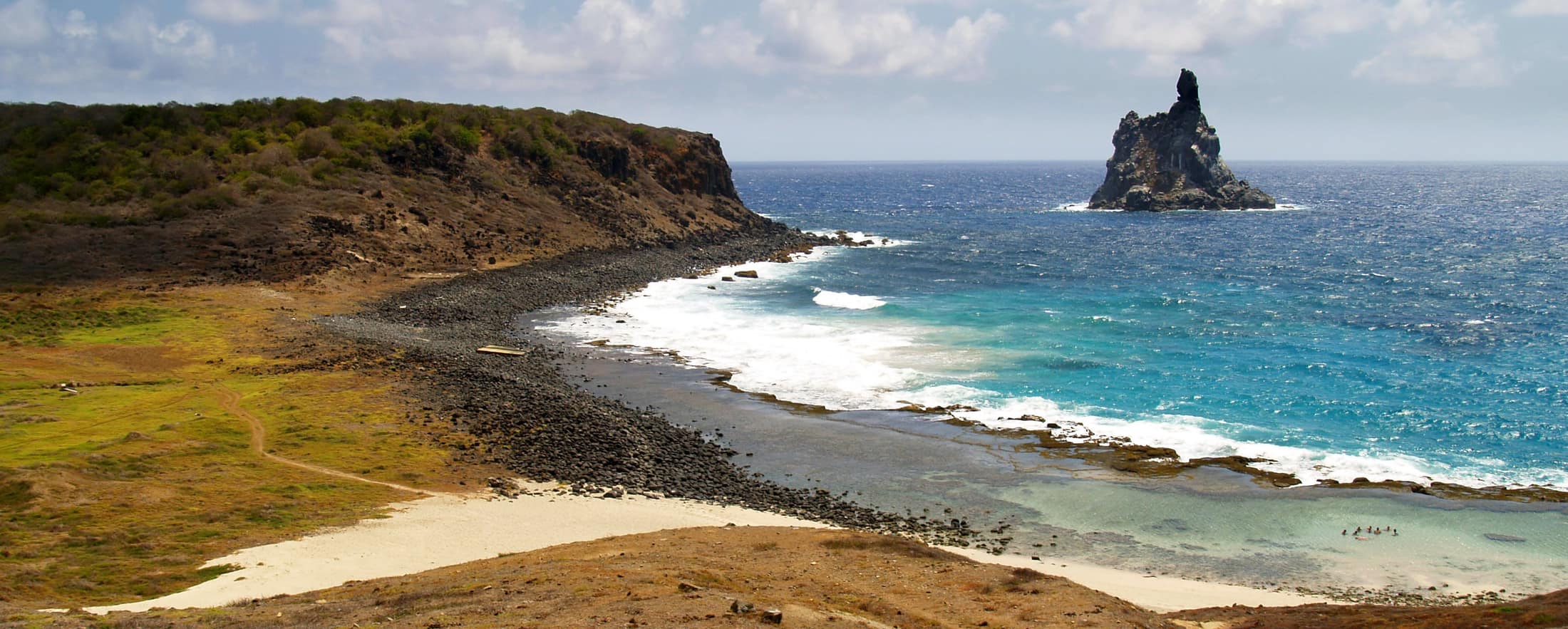
Coasts & Islands
Access and permits
The constraints that actually decide whether a date is possible.
- Marine reserve fees are charged per person per day and go to reserve management. Gladden Spit requires a licensed operator and enforces in-water conduct rules.
- Lionfish are an established invasive here and dive briefings cover them; ciguatera guidance is standard on reef fish.
Included
- Private dive boat, tanks, weights, and guide
- Hol Chan and marine reserve fees, atoll park fees
- Island lodge accommodation and all transfers
- Nitrox where sites warrant it
- Daily field briefings with the lead guide before departure
Not included
- Blue Hole days lost to weather, we substitute rather than force it
- Certification courses
- International flights
- Guaranteed whale shark encounters, which are aggregation-dependent
- Personal insurance, including medical and evacuation cover
What the price reflects
$5,800–8,900 for eight days reflects a private dive boat and guide rather than a shared day-boat slot, plus island lodges and reserve fees. Shared-boat packages out of San Pedro cost meaningfully less and run to a fixed group schedule. What moves a quote inside that picture is party size, season, and the lodge or camp class actually available for your dates. Private dive boat and guide, island-lodge based. Small-group departures up to eight divers. On the included side, the band already assumes items such as: Private dive boat, tanks, weights, and guide; Hol Chan and marine reserve fees, atoll park fees; Island lodge accommodation and all transfers. Still outside the band unless we write them in: Blue Hole days lost to weather, we substitute rather than force it; Certification courses; International flights. Nothing is confirmed until it is confirmed in writing.
- Party size
- Per-person cost usually falls as the private team is shared across more guests, up to the format limit implied by the guiding and lodge picture. Private dive boat and guide, island-lodge based.
- Season and dates
- Window on the card: Nov–Jun. Planning note: November through June. March to June combines the best visibility with the whale shark window; hurricane peak is August to October. Peak dates inside that window tighten lodge and permit availability, which is what usually pushes a quote toward the top of a published band.
- Lodge or camp class
- Accommodation in the band reflects: Island lodge accommodation and all transfers. Moving up or down a class, or shifting to a scarcer property, changes the quote without changing the route.
- Internal transport
- Transfers and regional legs follow the trip design. Watch for: International flights. Charter or peak-season domestic seats, where they apply, sit outside a simple road transfer.
- Permits and access
- Access cost tracks what the ground already requires. Hol Chan and marine reserve fees, atoll park fees We do not invent fee figures beyond what the catalogue already states.
- Outside the band
- Not assumed unless written in: Blue Hole days lost to weather, we substitute rather than force it; Certification courses; International flights.
Bands are per person sharing and move with party size, season, and lodge choice. Nothing is confirmed until it is confirmed in writing. How we price.
Where this is
Belize Barrier Reef Reserve System, from Ambergris Caye to the southern reef.
Elevation: Sea level. Season as published: November–June; hurricane peak Aug–Oct. Difficulty as assessed: Easy.
What we checked
Seasons, altitudes, permits, and caps on this page were checked against park authorities, monitoring agencies, and operators on the ground. Where a fact changes with the year, we say so rather than round it off.
Near this
Same terrain, different week
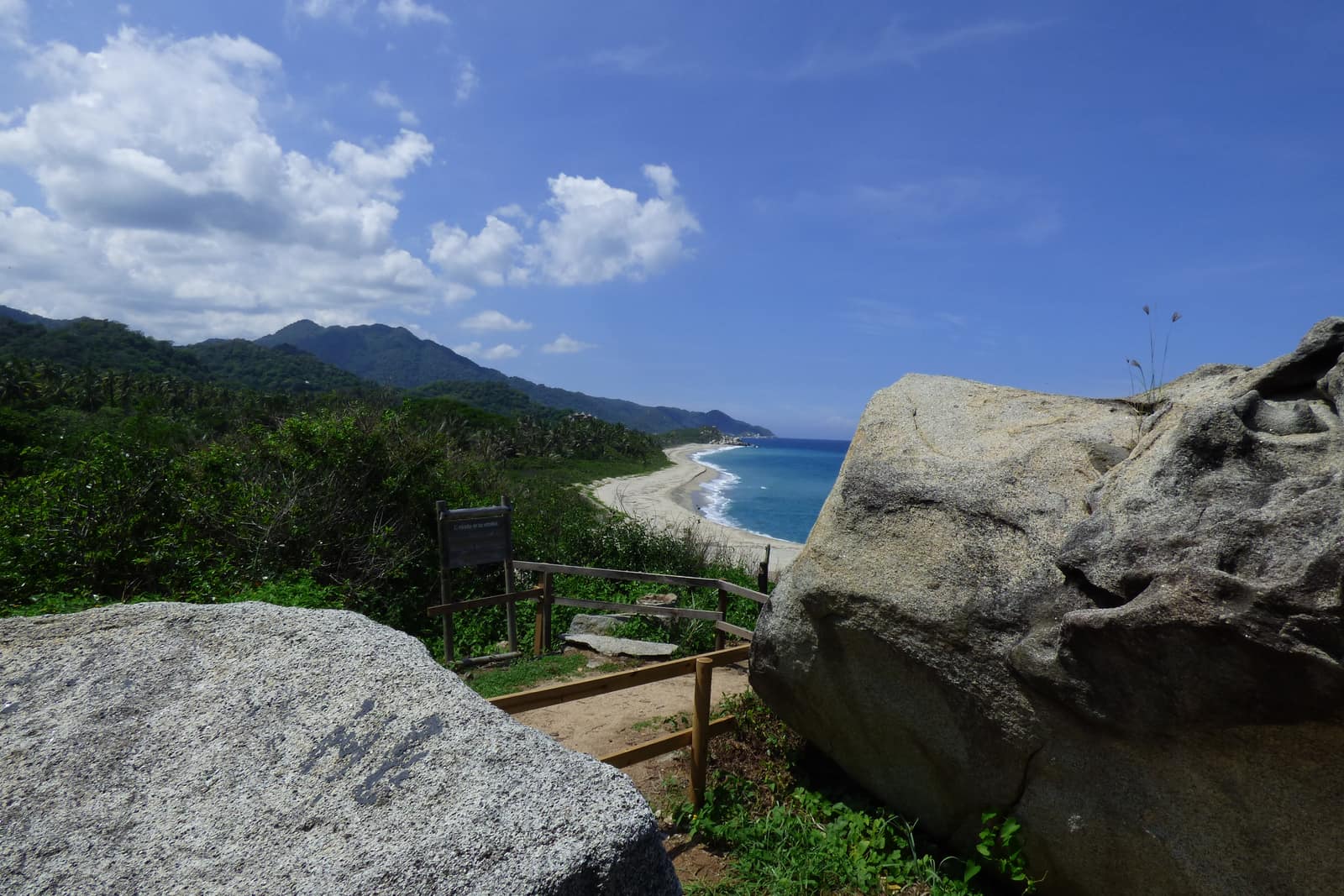
Colombia
Sierra Nevada Caribbean Arc
Sierra Nevada de Santa Marta & Caribbean Coast
Trade winds meet cloud forest on the world's highest coastal range. Authorized mid-elevation trails and Tayrona/Ciudad Perdida corridors—páramo and nevados remain closed sacred territory.
- Duration
- 11 days
- Effort
- Challenging
- Window
- Dec–Mar
$8,500–$12,000
Detail →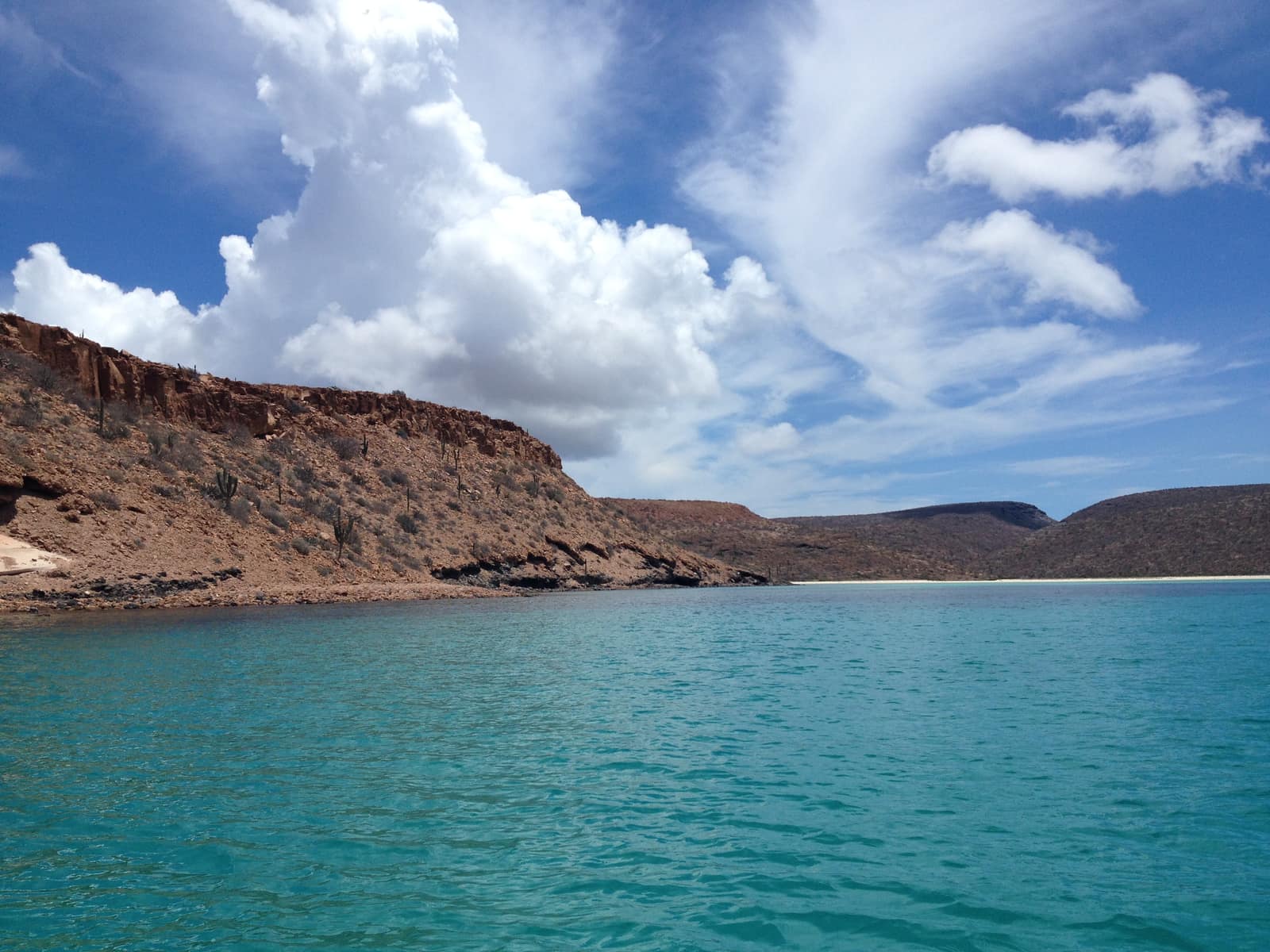
Mexico
Baja Sea of Cortez Crossing
Loreto to La Paz
Kayak past sea lions on desert islands while whale breath plumes the channel. Camp on beaches where the desert meets deep blue water.
- Duration
- 9 days
- Effort
- Moderate
- Window
- Oct–Nov & Mar–Apr
$7,800–$11,200
Detail →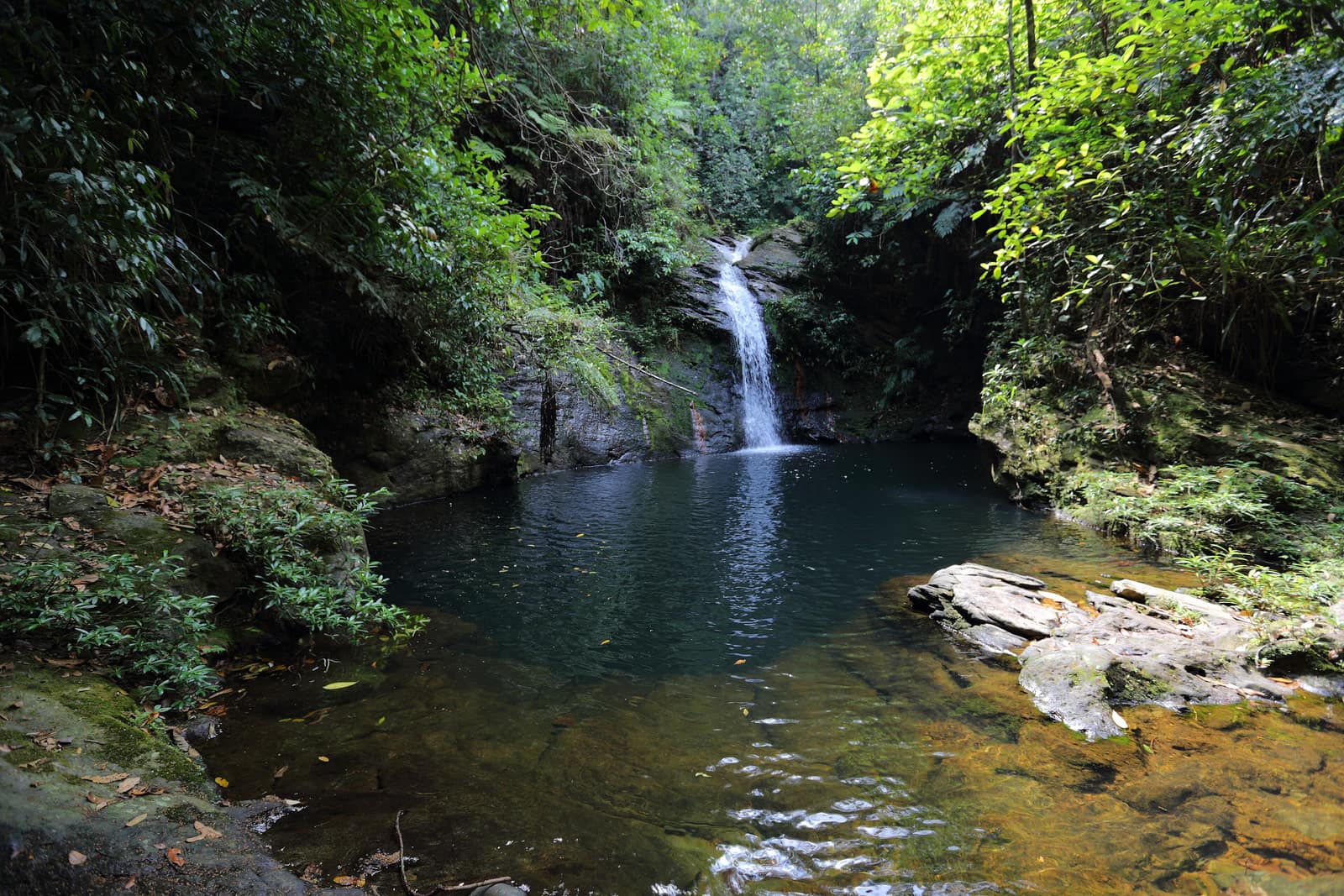
Belize
Cockscomb Jaguar Traverse
Cockscomb Basin & Maya Mountains
Walk the trails of Cockscomb Basin—the world's first jaguar preserve—where streams cut granite and birdsong never stops. Jaguar encounters are rare; the forest and night sounds are the constant.
- Duration
- 7 days
- Effort
- Moderate
- Window
- Dec–Apr
$5,100–$7,600
Detail →From the ground
Frames from this route family and country — not a studio set, and not a promise of identical weather.