Baja Sea of Cortez Crossing
Loreto to La Paz
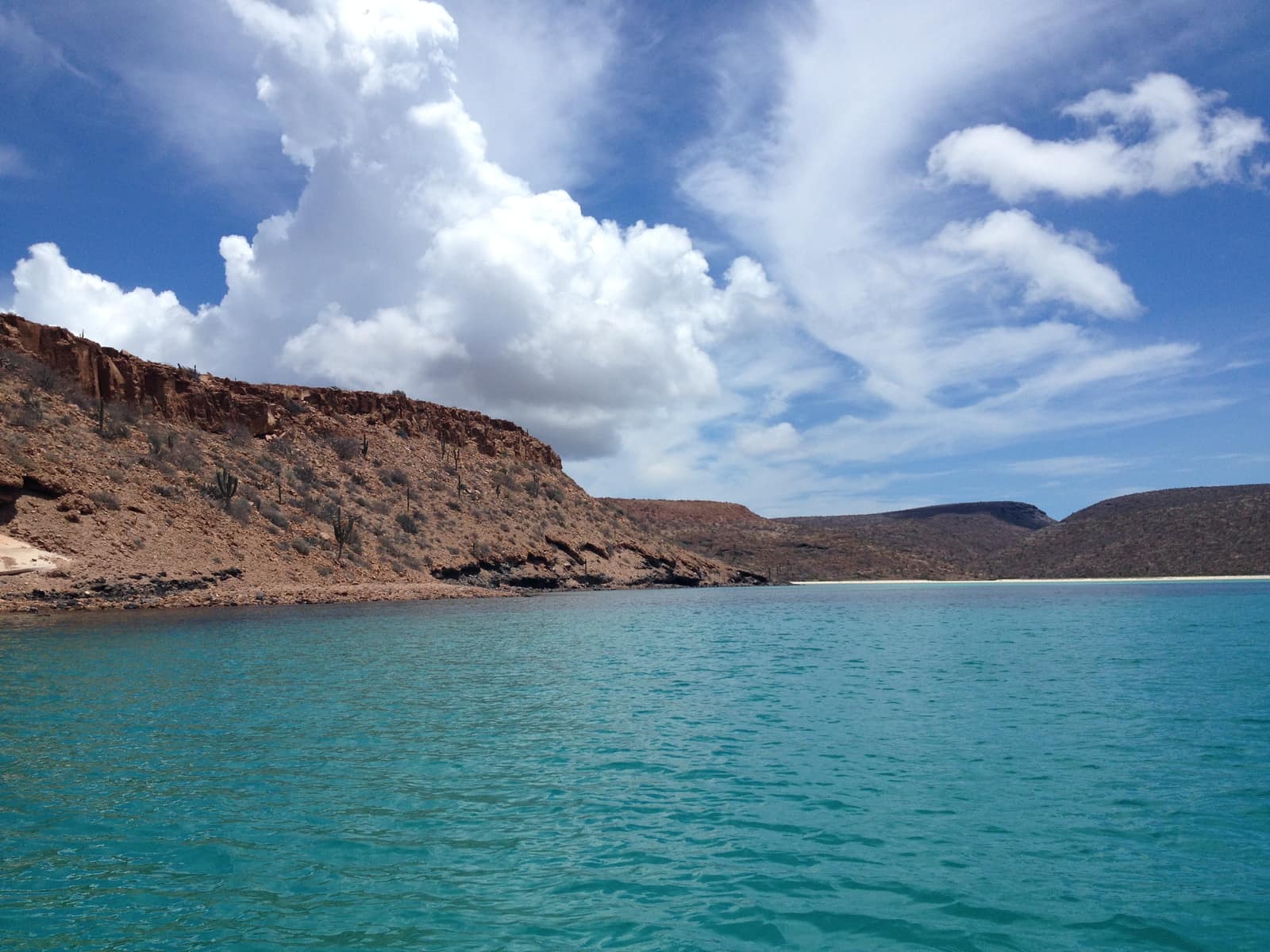
Kayak past sea lions on desert islands while whale breath plumes the channel. Camp on beaches where the desert meets deep blue water.
- Days
- 9
- Effort
- Moderate
- Window
- Oct–Nov & Mar–Apr
- From
- $7,800
The ground
Steinbeck called this the Vermilion Sea and the biology is the reason people keep coming back: the Gulf of California holds roughly a third of the world's cetacean species and a wall of desert islands that have never been developed. Loreto Bay and the Espíritu Santo complex are both protected, and the islands are UNESCO-listed.
You paddle a loaded sea kayak between beach camps, with a support boat where the crossings warrant one. Sea lions at Los Islotes will come and inspect you. Blue whales move through the Loreto channel in late winter, and fin whales are resident year-round, but the sea state, not the whale calendar, decides whether a given day is paddleable.
The honest tension in this trip: the whales are best January to March, and that is also when the Nortes blow hardest. We would rather move you to the shoulder and give you a real expedition than pin you to a windy month for a sighting we cannot promise.
Golfo de California, Loreto to La Paz, Baja California Sur. Working elevation runs Sea level. That profile shapes sleep, pace, and how early the group needs to move. The published window: October–November and March–April are the best paddling windows. January–March is stronger for whales but windier and colder. We will lay out the trade honestly and let you choose. Within that window, day order still flexes with weather and access.
Camping on the islands requires national park permits and designated sites; the number of parties per beach is limited. Los Islotes closes to in-water activity during sea lion pupping, typically for several weeks in mid-year. We schedule around it. Small-group expedition, capped at eight paddlers with two guides, or fully private. Support boat on the longer crossings. This is the operating shape of the trip: private enough to reorder days, constrained enough that permits and local rules still set the ceiling.
Shape of the days
A shape, not a script. Order and pacing move with weather, permits, and how the first days actually go.
Day 1
Loreto: opening
Day 1 sits inside the 1–2 arc titled Loreto. Arrival, kit issue, paddle assessment, and the first short crossing to Isla Danzante or Carmen. This opening slice sets the logistics and the first read of the ground before the denser days. Arrival and orientation use the published access picture. Camping on the islands requires national park permits and designated sites; the number of parties per beach is limited. Elevation context for the programme: Sea level. Sleep and walk length are graded against that, not against a generic fitness brochure. Early days protect the later ones. We do not burn the group on a full-length day before the body has met the altitude, heat, or boat rhythm this route actually uses. You paddle a loaded sea kayak between beach camps, with a support boat where the crossings warrant one. Sea lions at Los Islotes will come and inspect you. Blue whales move through the Loreto channel in late winter, and fin whales are resident year-round, but the sea state, not the whale calendar, decides whether a given day is paddleable. Geography stays inside Golfo de California, Loreto to La Paz, Baja California Sur. Season logic we plan against: October–November and March–April are the best paddling windows. January–March is stronger for whales but windier and colder. We will lay out the trade honestly and let you choose. Packing still matters here: A 3 mm suit is enough in autumn and not in February; we supply wetsuits.
Day 2
Loreto: continuation
Day 2 sits inside the 1–2 arc titled Loreto. Arrival, kit issue, paddle assessment, and the first short crossing to Isla Danzante or Carmen. This closing slice of the block consolidates what the earlier days opened, without inventing a new sector. Arrival and orientation use the published access picture. Los Islotes closes to in-water activity during sea lion pupping, typically for several weeks in mid-year. We schedule around it. Elevation context for the programme: Sea level. Sleep and walk length are graded against that, not against a generic fitness brochure. Early days protect the later ones. We do not burn the group on a full-length day before the body has met the altitude, heat, or boat rhythm this route actually uses. Sea lions at Los Islotes will come and inspect you. Blue whales move through the Loreto channel in late winter, and fin whales are resident year-round, but the sea state, not the whale calendar, decides whether a given day is paddleable. Geography stays inside Golfo de California, Loreto to La Paz, Baja California Sur. Season logic we plan against: October–November and March–April are the best paddling windows. January–March is stronger for whales but windier and colder. We will lay out the trade honestly and let you choose. Packing still matters here: A 3 mm suit is enough in autumn and not in February; we supply wetsuits.
Days 3–4
Island and marine park days: opening
Days 3–4 continue the Island and marine park days block. Camps on Danzante, Monserrat, or Santa Catalina depending on wind, snorkelling over reef heads, and long paddling days when the sea allows. This opening slice sets the logistics and the first read of the ground before the denser days. Field days stay inside the ground already described for Mexico. The honest tension in this trip: the whales are best January to March, and that is also when the Nortes blow hardest. Camping on the islands requires national park permits and designated sites; the number of parties per beach is limited. Small-group expedition, capped at eight paddlers with two guides, or fully private. Expect a full field day measured in hours on foot, on the water, or in transit between sectors already named above. Private guiding means we can shorten or reorder, not that the underlying constraints disappear. Steinbeck called this the Vermilion Sea and the biology is the reason people keep coming back: the Gulf of California holds roughly a third of the world's cetacean species and a wall of desert islands that have never been developed. Loreto Bay and the Espíritu Santo complex are both protected, and the islands are UNESCO-listed. Geography stays inside Golfo de California, Loreto to La Paz, Baja California Sur. Season logic we plan against: October–November and March–April are the best paddling windows. January–March is stronger for whales but windier and colder. We will lay out the trade honestly and let you choose. For kit on these days: A 3 mm suit is enough in autumn and not in February; we supply wetsuits.
Days 5–6
Island and marine park days: continuation
Days 5–6 continue the Island and marine park days block. Camps on Danzante, Monserrat, or Santa Catalina depending on wind, snorkelling over reef heads, and long paddling days when the sea allows. This closing slice of the block consolidates what the earlier days opened, without inventing a new sector. Field days stay inside the ground already described for Mexico. Steinbeck called this the Vermilion Sea and the biology is the reason people keep coming back: the Gulf of California holds roughly a third of the world's cetacean species and a wall of desert islands that have never been developed. Los Islotes closes to in-water activity during sea lion pupping, typically for several weeks in mid-year. We schedule around it. Small-group expedition, capped at eight paddlers with two guides, or fully private. Expect a full field day measured in hours on foot, on the water, or in transit between sectors already named above. Private guiding means we can shorten or reorder, not that the underlying constraints disappear. Loreto Bay and the Espíritu Santo complex are both protected, and the islands are UNESCO-listed. Geography stays inside Golfo de California, Loreto to La Paz, Baja California Sur. Season logic we plan against: October–November and March–April are the best paddling windows. January–March is stronger for whales but windier and colder. We will lay out the trade honestly and let you choose. For kit on these days: A 3 mm suit is enough in autumn and not in February; we supply wetsuits.
Day 7
South toward La Paz: opening
Day 7 sits inside the 7–8 arc titled South toward La Paz. The Espíritu Santo complex, Los Islotes sea lion colony, and the sand-bar camps on the island's east side. This opening slice sets the logistics and the first read of the ground before the denser days. Field days stay inside the ground already described for Mexico. You paddle a loaded sea kayak between beach camps, with a support boat where the crossings warrant one. Camping on the islands requires national park permits and designated sites; the number of parties per beach is limited. Small-group expedition, capped at eight paddlers with two guides, or fully private. Expect a full field day measured in hours on foot, on the water, or in transit between sectors already named above. Private guiding means we can shorten or reorder, not that the underlying constraints disappear. The honest tension in this trip: the whales are best January to March, and that is also when the Nortes blow hardest. We would rather move you to the shoulder and give you a real expedition than pin you to a windy month for a sighting we cannot promise. Geography stays inside Golfo de California, Loreto to La Paz, Baja California Sur. Season logic we plan against: October–November and March–April are the best paddling windows. January–March is stronger for whales but windier and colder. We will lay out the trade honestly and let you choose. For kit on these days: A 3 mm suit is enough in autumn and not in February; we supply wetsuits.
Day 8
South toward La Paz: continuation
Day 8 sits inside the 7–8 arc titled South toward La Paz. The Espíritu Santo complex, Los Islotes sea lion colony, and the sand-bar camps on the island's east side. This closing slice of the block consolidates what the earlier days opened, without inventing a new sector. Field days stay inside the ground already described for Mexico. The honest tension in this trip: the whales are best January to March, and that is also when the Nortes blow hardest. Los Islotes closes to in-water activity during sea lion pupping, typically for several weeks in mid-year. We schedule around it. Small-group expedition, capped at eight paddlers with two guides, or fully private. Expect a full field day measured in hours on foot, on the water, or in transit between sectors already named above. Private guiding means we can shorten or reorder, not that the underlying constraints disappear. We would rather move you to the shoulder and give you a real expedition than pin you to a windy month for a sighting we cannot promise. Geography stays inside Golfo de California, Loreto to La Paz, Baja California Sur. Season logic we plan against: October–November and March–April are the best paddling windows. January–March is stronger for whales but windier and colder. We will lay out the trade honestly and let you choose. For kit on these days: A 3 mm suit is enough in autumn and not in February; we supply wetsuits.
Day 9
La Paz takeout
Day 9 sits inside the 9 arc titled La Paz takeout. Paddle in, clean up, and a last night in La Paz. The day order inside this block can shift when weather or access forces a rewrite. Exit logistics follow the same transfer pattern already built into the programme. Los Islotes closes to in-water activity during sea lion pupping, typically for several weeks in mid-year. We schedule around it. International connections should leave buffer after the last field day; late-evening flights only when the ground day is genuinely short. The last day is deliberately lighter where the catalogue allows it, so extraction does not collide with a hard physical ask. You paddle a loaded sea kayak between beach camps, with a support boat where the crossings warrant one. Sea lions at Los Islotes will come and inspect you. Blue whales move through the Loreto channel in late winter, and fin whales are resident year-round, but the sea state, not the whale calendar, decides whether a given day is paddleable. Geography stays inside Golfo de California, Loreto to La Paz, Baja California Sur. Season logic we plan against: October–November and March–April are the best paddling windows. January–March is stronger for whales but windier and colder. We will lay out the trade honestly and let you choose. Packing still matters here: A 3 mm suit is enough in autumn and not in February; we supply wetsuits.
Conditions
Water 19–21 °C in winter and near 29 °C in autumn. Air 20–30 °C. The Norte blows hardest December to February and can pin a party on a beach for a day. That is normal and we build for it. Autumn has the warmest water and the calmest mornings.
Fitness bar
Moderate. Three to five hours of paddling on the bigger days with a loaded boat, plus beach camping and surf launches. Prior sea-kayaking experience helps but is not required; we assess on day one.
Best months
October–November and March–April are the best paddling windows. January–March is stronger for whales but windier and colder. We will lay out the trade honestly and let you choose.
Private or small group
Small-group expedition, capped at eight paddlers with two guides, or fully private. Support boat on the longer crossings.
What to bring
A 3 mm suit is enough in autumn and not in February; we supply wetsuits. Quick-dry layers, a wide-brim hat that survives wind, and reef-safe sunscreen. Dry bags for anything that must stay dry, because a loaded kayak takes spray.
Coasts & Islands
Access and permits
The constraints that actually decide whether a date is possible.
- Camping on the islands requires national park permits and designated sites; the number of parties per beach is limited.
- Los Islotes closes to in-water activity during sea lion pupping, typically for several weeks in mid-year. We schedule around it.
Included
- Sea kayaks, paddling kit, and all camping equipment
- Loreto Bay and Espíritu Santo marine park permits
- Support boat where the route requires it
- Two guides, all meals in the field, Loreto and La Paz hotel nights
- Daily field briefings with the lead guide before departure
Not included
- Gray whale add-on in the Pacific lagoons at Magdalena Bay, which is a separate trip
- International flights
- Guaranteed whale sightings of any species
- Personal insurance, including medical and evacuation cover
- Tips for guides and lodge staff, which remain optional and separate
What the price reflects
$7,800–11,200 for nine days reflects a fully supported expedition, two guides, permits, support boat, and all equipment, rather than a self-catered paddle. Unsupported group trips on this coast cost considerably less. What moves a quote inside that picture is party size, season, and the lodge or camp class actually available for your dates. Small-group expedition, capped at eight paddlers with two guides, or fully private. Support boat on the longer crossings. On the included side, the band already assumes items such as: Sea kayaks, paddling kit, and all camping equipment; Loreto Bay and Espíritu Santo marine park permits; Support boat where the route requires it. Still outside the band unless we write them in: Gray whale add-on in the Pacific lagoons at Magdalena Bay, which is a separate trip; International flights; Guaranteed whale sightings of any species. Nothing is confirmed until it is confirmed in writing.
- Party size
- Per-person cost usually falls as the private team is shared across more guests, up to the format limit implied by the guiding and lodge picture. Small-group expedition, capped at eight paddlers with two guides, or fully private.
- Season and dates
- Window on the card: Oct–Nov & Mar–Apr. Planning note: October–November and March–April are the best paddling windows. January–March is stronger for whales but windier and colder. We will lay out the trade honestly and let you choose. Peak dates inside that window tighten lodge and permit availability, which is what usually pushes a quote toward the top of a published band.
- Lodge or camp class
- Accommodation in the band reflects: Sea kayaks, paddling kit, and all camping equipment. Moving up or down a class, or shifting to a scarcer property, changes the quote without changing the route.
- Internal transport
- Transfers and regional legs follow the trip design. Watch for: International flights. Charter or peak-season domestic seats, where they apply, sit outside a simple road transfer.
- Permits and access
- Access cost tracks what the ground already requires. Loreto Bay and Espíritu Santo marine park permits We do not invent fee figures beyond what the catalogue already states.
- Outside the band
- Not assumed unless written in: Gray whale add-on in the Pacific lagoons at Magdalena Bay, which is a separate trip; International flights; Guaranteed whale sightings of any species.
Bands are per person sharing and move with party size, season, and lodge choice. Nothing is confirmed until it is confirmed in writing. How we price.
Where this is
Golfo de California, Loreto to La Paz, Baja California Sur.
Elevation: Sea level. Season as published: October–November & March–April (best kayak); January–March (whales, windier). Difficulty as assessed: Moderate.
What we checked
Seasons, altitudes, permits, and caps on this page were checked against park authorities, monitoring agencies, and operators on the ground. Where a fact changes with the year, we say so rather than round it off.
Near this
Same terrain, different week
Colombia
Sierra Nevada Caribbean Arc
Sierra Nevada de Santa Marta & Caribbean Coast
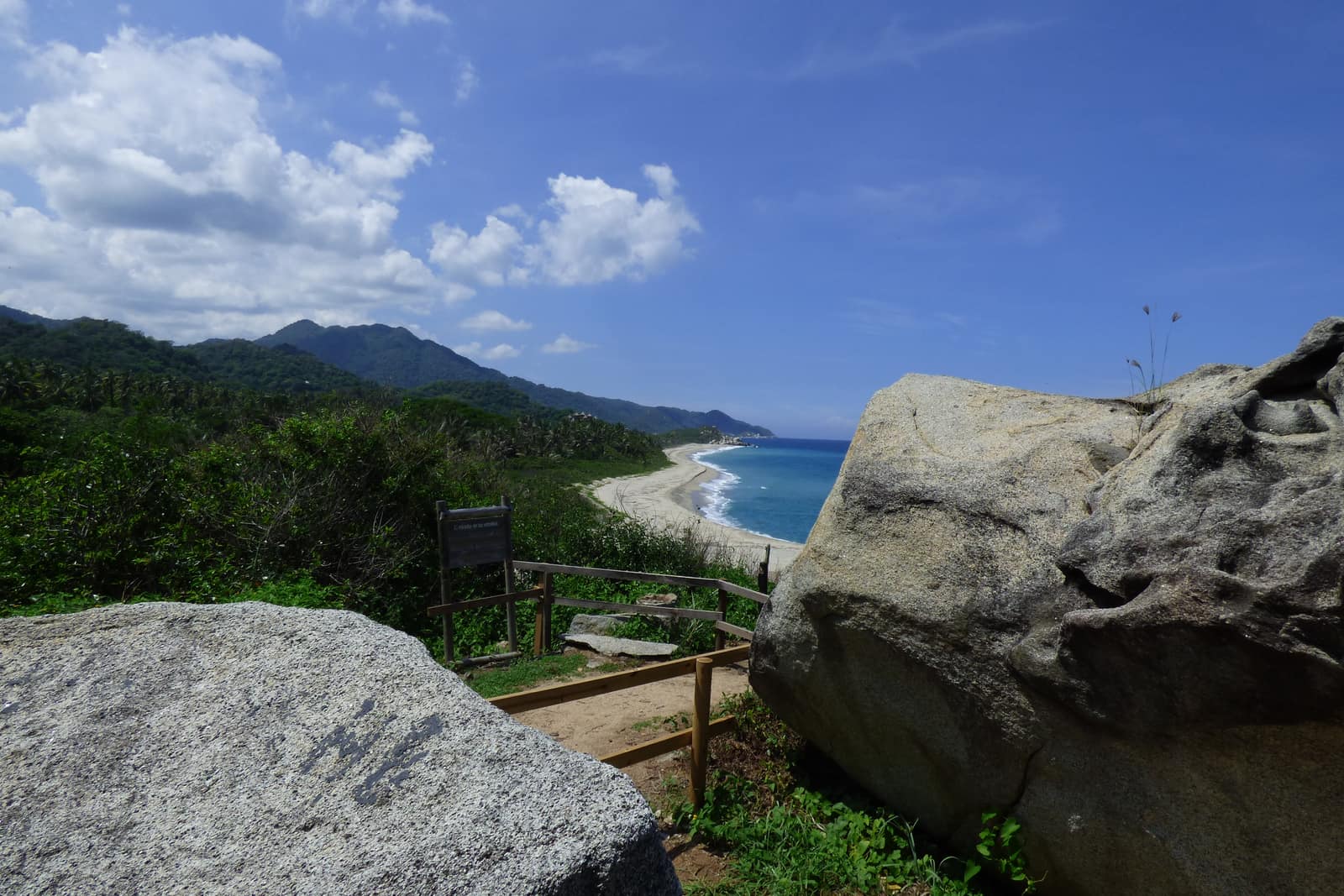
Trade winds meet cloud forest on the world's highest coastal range. Authorized mid-elevation trails and Tayrona/Ciudad Perdida corridors—páramo and nevados remain closed sacred territory.
- Duration
- 11 days
- Effort
- Challenging
- Window
- Dec–Mar
$8,500–$12,000
Detail →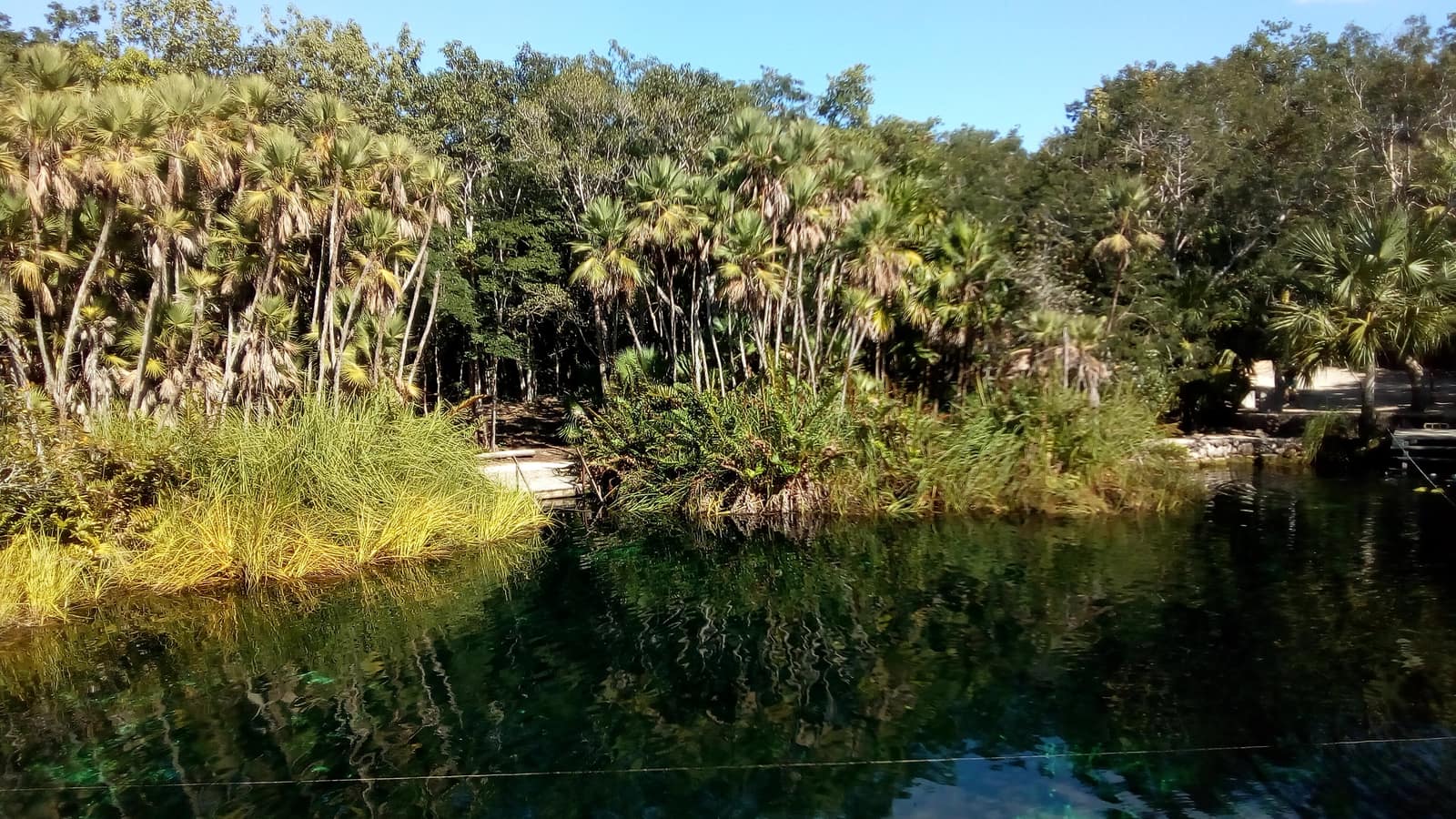
Mexico
Yucatán Cenote Coast
Riviera Maya & Puuc (Yucatán / Quintana Roo)
Cool limestone pools open beneath jungle canopy; light shafts cut the water like columns. Evenings move from reef swim to limestone ruins warm with stone.
- Duration
- 8 days
- Effort
- Easy
- Window
- Nov–Apr
$5,200–$7,800
Detail →
Mexico
Copper Canyon Traverse
Sierra Tarahumara / Barrancas del Cobre (Chihuahua)
Several gorges here run deeper than the Grand Canyon, folded into pine and cliff. Footpaths follow Rarámuri routes where the rim drops away without warning.
- Duration
- 10 days
- Effort
- Challenging
- Window
- Oct–Apr
$6,500–$9,200
Detail →From the ground
Frames from this route family and country — not a studio set, and not a promise of identical weather.