Copper Canyon Traverse
Sierra Tarahumara / Barrancas del Cobre (Chihuahua)
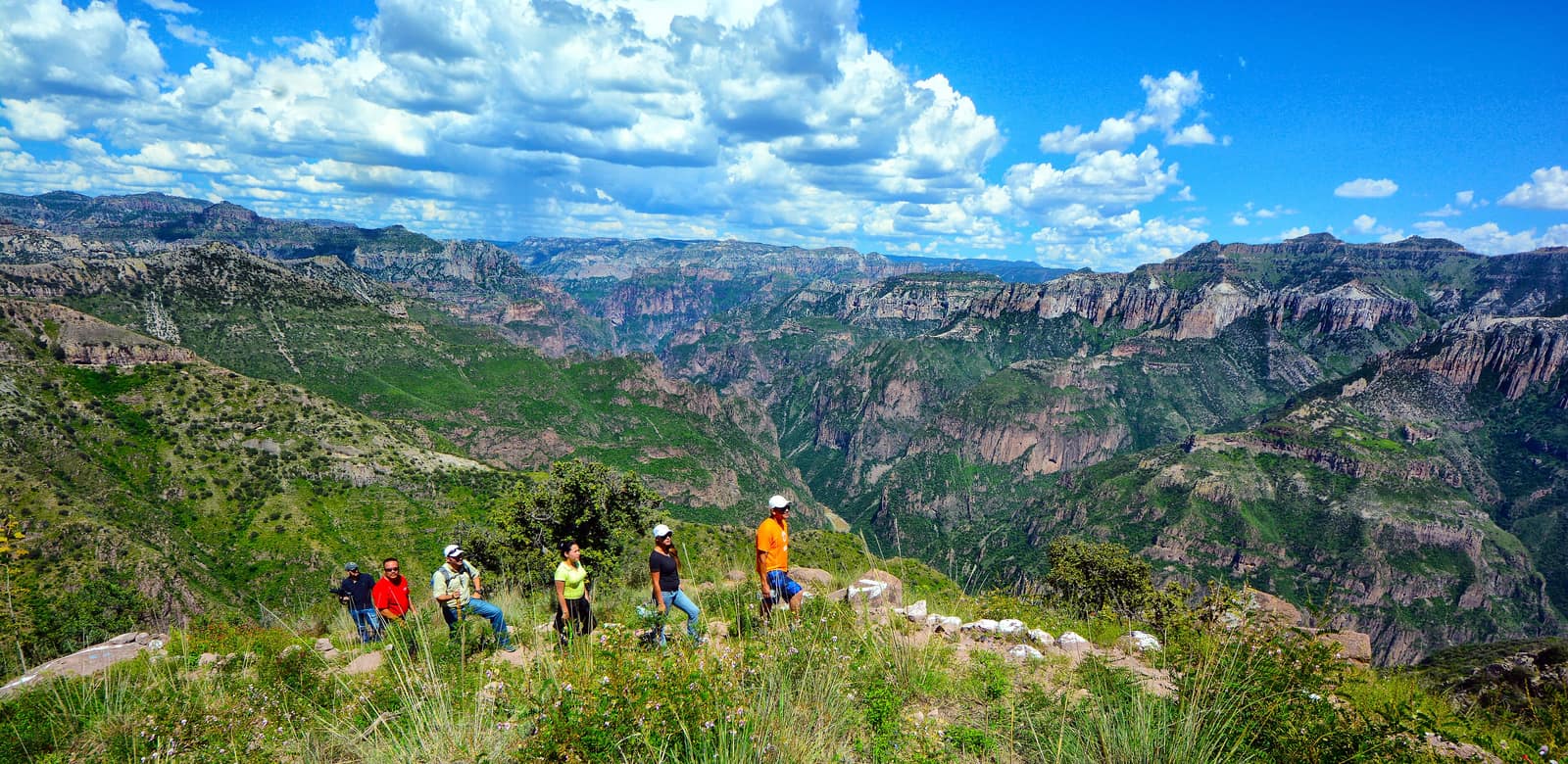
Several gorges here run deeper than the Grand Canyon, folded into pine and cliff. Footpaths follow Rarámuri routes where the rim drops away without warning.
- Days
- 10
- Effort
- Challenging
- Window
- Oct–Apr
- From
- $6,500
The ground
Barrancas del Cobre is not one canyon but a system of six major gorges, and several of them, Urique among them, cut deeper than the Grand Canyon. The rim carries pine and oak at 2,400 m; the floor sits in subtropical heat with mango and fig. You feel that 1,600 m of relief in your knees within one day.
This is Rarámuri country. The people the outside world calls Tarahumara call themselves Rarámuri, and the footpaths we walk are working routes between rancherías, not recreational trails. We walk them with Rarámuri guides and pay for the privilege.
The Chepe railway does the long transitions, 653 km of track with 37 bridges and 86 tunnels, built over decades, so the walking days can be spent on the good ground instead of in a vehicle.
Sierra Tarahumara / Barrancas del Cobre, Chihuahua. Rarámuri is the people's own name. Working elevation runs Rim 2,200–2,400 m · canyon floor 500–800 m. That profile shapes sleep, pace, and how early the group needs to move. The published window: October through April. We do not run the floor descent in May and June, when it is dangerously hot down there. Within that window, day order still flexes with weather and access.
Chepe schedules change seasonally and the first-class service does not run daily on every segment; the itinerary is built around the timetable rather than against it. Photography of people in the rancherías happens only with permission, and often not at all. We brief this properly. Private with Rarámuri guides plus a lead guide. Chepe first class. Small-group departures up to eight, twice a season. This is the operating shape of the trip: private enough to reorder days, constrained enough that permits and local rules still set the ceiling.
Shape of the days
A shape, not a script. Order and pacing move with weather, permits, and how the first days actually go.
Day 1
Chihuahua or Los Mochis: opening
Day 1 sits inside the 1–2 arc titled Chihuahua or Los Mochis. Arrival, altitude and heat briefing, and the first Chepe leg into the sierra. This opening slice sets the logistics and the first read of the ground before the denser days. Arrival and orientation use the published access picture. Chepe schedules change seasonally and the first-class service does not run daily on every segment; the itinerary is built around the timetable rather than against it. Elevation context for the programme: Rim 2,200–2,400 m · canyon floor 500–800 m. Sleep and walk length are graded against that, not against a generic fitness brochure. Early days protect the later ones. We do not burn the group on a full-length day before the body has met the altitude, heat, or boat rhythm this route actually uses. This is Rarámuri country. The people the outside world calls Tarahumara call themselves Rarámuri, and the footpaths we walk are working routes between rancherías, not recreational trails. We walk them with Rarámuri guides and pay for the privilege. Geography stays inside Sierra Tarahumara / Barrancas del Cobre, Chihuahua. Rarámuri is the people's own name. Season logic we plan against: October through April. We do not run the floor descent in May and June, when it is dangerously hot down there. Packing still matters here: Layers for frost on the rim and subtropical heat on the canyon floor within the same day.
Day 2
Chihuahua or Los Mochis: continuation
Day 2 sits inside the 1–2 arc titled Chihuahua or Los Mochis. Arrival, altitude and heat briefing, and the first Chepe leg into the sierra. This closing slice of the block consolidates what the earlier days opened, without inventing a new sector. Arrival and orientation use the published access picture. Photography of people in the rancherías happens only with permission, and often not at all. We brief this properly. Elevation context for the programme: Rim 2,200–2,400 m · canyon floor 500–800 m. Sleep and walk length are graded against that, not against a generic fitness brochure. Early days protect the later ones. We do not burn the group on a full-length day before the body has met the altitude, heat, or boat rhythm this route actually uses. The people the outside world calls Tarahumara call themselves Rarámuri, and the footpaths we walk are working routes between rancherías, not recreational trails. We walk them with Rarámuri guides and pay for the privilege. Geography stays inside Sierra Tarahumara / Barrancas del Cobre, Chihuahua. Rarámuri is the people's own name. Season logic we plan against: October through April. We do not run the floor descent in May and June, when it is dangerously hot down there. Packing still matters here: Layers for frost on the rim and subtropical heat on the canyon floor within the same day.
Days 3–4
Rim: opening
Days 3–4 continue the Rim block. Divisadero and the Urique overlooks, rim lodges, and day walks along the canyon edge into Rarámuri ranchería country. This opening slice sets the logistics and the first read of the ground before the denser days. Field days stay inside the ground already described for Mexico. The Chepe railway does the long transitions, 653 km of track with 37 bridges and 86 tunnels, built over decades, so the walking days can be spent on the good ground instead of in a vehicle. Chepe schedules change seasonally and the first-class service does not run daily on every segment; the itinerary is built around the timetable rather than against it. Private with Rarámuri guides plus a lead guide. Expect a full field day measured in hours on foot, on the water, or in transit between sectors already named above. Private guiding means we can shorten or reorder, not that the underlying constraints disappear. Barrancas del Cobre is not one canyon but a system of six major gorges, and several of them, Urique among them, cut deeper than the Grand Canyon. The rim carries pine and oak at 2,400 m; the floor sits in subtropical heat with mango and fig. You feel that 1,600 m of relief in your knees within one day. Geography stays inside Sierra Tarahumara / Barrancas del Cobre, Chihuahua. Rarámuri is the people's own name. Season logic we plan against: October through April. We do not run the floor descent in May and June, when it is dangerously hot down there. For kit on these days: Layers for frost on the rim and subtropical heat on the canyon floor within the same day.
Day 5
Rim: continuation
Day 5 sits inside the 3–5 arc titled Rim. Divisadero and the Urique overlooks, rim lodges, and day walks along the canyon edge into Rarámuri ranchería country. This closing slice of the block consolidates what the earlier days opened, without inventing a new sector. Field days stay inside the ground already described for Mexico. Barrancas del Cobre is not one canyon but a system of six major gorges, and several of them, Urique among them, cut deeper than the Grand Canyon. Photography of people in the rancherías happens only with permission, and often not at all. We brief this properly. Private with Rarámuri guides plus a lead guide. Expect a full field day measured in hours on foot, on the water, or in transit between sectors already named above. Private guiding means we can shorten or reorder, not that the underlying constraints disappear. The rim carries pine and oak at 2,400 m; the floor sits in subtropical heat with mango and fig. You feel that 1,600 m of relief in your knees within one day. Geography stays inside Sierra Tarahumara / Barrancas del Cobre, Chihuahua. Rarámuri is the people's own name. Season logic we plan against: October through April. We do not run the floor descent in May and June, when it is dangerously hot down there. For kit on these days: Layers for frost on the rim and subtropical heat on the canyon floor within the same day.
Days 6–7
Rim to river: opening
Days 6–7 continue the Rim to river block. The descent to Urique or Batopilas. A long day down and a longer day back up, or vehicle support on the return if you would rather bank the effort. This opening slice sets the logistics and the first read of the ground before the denser days. Field days stay inside the ground already described for Mexico. This is Rarámuri country. Chepe schedules change seasonally and the first-class service does not run daily on every segment; the itinerary is built around the timetable rather than against it. Private with Rarámuri guides plus a lead guide. Expect a full field day measured in hours on foot, on the water, or in transit between sectors already named above. Private guiding means we can shorten or reorder, not that the underlying constraints disappear. The Chepe railway does the long transitions, 653 km of track with 37 bridges and 86 tunnels, built over decades, so the walking days can be spent on the good ground instead of in a vehicle. Geography stays inside Sierra Tarahumara / Barrancas del Cobre, Chihuahua. Rarámuri is the people's own name. Season logic we plan against: October through April. We do not run the floor descent in May and June, when it is dangerously hot down there. For kit on these days: Layers for frost on the rim and subtropical heat on the canyon floor within the same day.
Day 8
Rim to river: continuation
Day 8 sits inside the 6–8 arc titled Rim to river. The descent to Urique or Batopilas. A long day down and a longer day back up, or vehicle support on the return if you would rather bank the effort. This closing slice of the block consolidates what the earlier days opened, without inventing a new sector. Field days stay inside the ground already described for Mexico. The Chepe railway does the long transitions, 653 km of track with 37 bridges and 86 tunnels, built over decades, so the walking days can be spent on the good ground instead of in a vehicle. Photography of people in the rancherías happens only with permission, and often not at all. We brief this properly. Private with Rarámuri guides plus a lead guide. Expect a full field day measured in hours on foot, on the water, or in transit between sectors already named above. Private guiding means we can shorten or reorder, not that the underlying constraints disappear. Barrancas del Cobre is not one canyon but a system of six major gorges, and several of them, Urique among them, cut deeper than the Grand Canyon. The rim carries pine and oak at 2,400 m; the floor sits in subtropical heat with mango and fig. You feel that 1,600 m of relief in your knees within one day. Geography stays inside Sierra Tarahumara / Barrancas del Cobre, Chihuahua. Rarámuri is the people's own name. Season logic we plan against: October through April. We do not run the floor descent in May and June, when it is dangerously hot down there. For kit on these days: Layers for frost on.
Day 9
Return and exit: opening
Day 9 sits inside the 9–10 arc titled Return and exit. Chepe back out, with a night in Creel or Cerocahui and mission-town history at Satevó. This opening slice sets the logistics and the first read of the ground before the denser days. Exit logistics follow the same transfer pattern already built into the programme. Photography of people in the rancherías happens only with permission, and often not at all. We brief this properly. International connections should leave buffer after the last field day; late-evening flights only when the ground day is genuinely short. The last day is deliberately lighter where the catalogue allows it, so extraction does not collide with a hard physical ask. This is Rarámuri country. The people the outside world calls Tarahumara call themselves Rarámuri, and the footpaths we walk are working routes between rancherías, not recreational trails. We walk them with Rarámuri guides and pay for the privilege. Geography stays inside Sierra Tarahumara / Barrancas del Cobre, Chihuahua. Rarámuri is the people's own name. Season logic we plan against: October through April. We do not run the floor descent in May and June, when it is dangerously hot down there. Packing still matters here: Layers for frost on the rim and subtropical heat on the canyon floor within the same day.
Day 10
Return and exit: continuation
Day 10 sits inside the 9–10 arc titled Return and exit. Chepe back out, with a night in Creel or Cerocahui and mission-town history at Satevó. This closing slice of the block consolidates what the earlier days opened, without inventing a new sector. Exit logistics follow the same transfer pattern already built into the programme. Chepe schedules change seasonally and the first-class service does not run daily on every segment; the itinerary is built around the timetable rather than against it. International connections should leave buffer after the last field day; late-evening flights only when the ground day is genuinely short. The last day is deliberately lighter where the catalogue allows it, so extraction does not collide with a hard physical ask. The people the outside world calls Tarahumara call themselves Rarámuri, and the footpaths we walk are working routes between rancherías, not recreational trails. We walk them with Rarámuri guides and pay for the privilege. Geography stays inside Sierra Tarahumara / Barrancas del Cobre, Chihuahua. Rarámuri is the people's own name. Season logic we plan against: October through April. We do not run the floor descent in May and June, when it is dangerously hot down there. Packing still matters here: Layers for frost on the rim and subtropical heat on the canyon floor within the same day.
Conditions
Big diurnal and vertical swings. Rim days 12–20 °C in winter with frost and occasional snow at night; canyon floor 25–32 °C in the same 24 hours. October to April is dry and stable. Summer brings the monsoon and serious heat on the floor.
Fitness bar
Challenging. The rim-to-river days involve 1,200–1,600 m of descent and ascent on loose, exposed trail in changing temperature. Rim-only days are moderate.
Best months
October through April. We do not run the floor descent in May and June, when it is dangerously hot down there.
Private or small group
Private with Rarámuri guides plus a lead guide. Chepe first class. Small-group departures up to eight, twice a season.
What to bring
Layers for frost on the rim and subtropical heat on the canyon floor within the same day. Boots with grip for loose, exposed switchbacks, and poles for 1,600 m of descent. Cash for the rancherías. No technical canyoneering kit is needed.
Mesoamerica
Access and permits
The constraints that actually decide whether a date is possible.
- Chepe schedules change seasonally and the first-class service does not run daily on every segment; the itinerary is built around the timetable rather than against it.
- Photography of people in the rancherías happens only with permission, and often not at all. We brief this properly.
Included
- Chepe first-class rail segments
- Rarámuri guides and community access payments
- Rim lodges and canyon-floor accommodation
- All transfers from Chihuahua or Los Mochis
- Daily field briefings with the lead guide before departure
Not included
- International flights
- Technical canyoneering equipment, this is trekking, not rope work
- Vehicle support on the ascent unless requested
- Personal insurance, including medical and evacuation cover
- Tips for guides and lodge staff, which remain optional and separate
What the price reflects
$6,500–9,200 for ten days covers first-class rail, rim lodges, private guiding, and the community payments. Backpacker versions of this route exist at a tenth of the cost; they do not include the ranchería access or the support on the ascent. What moves a quote inside that picture is party size, season, and the lodge or camp class actually available for your dates. Private with Rarámuri guides plus a lead guide. Chepe first class. Small-group departures up to eight, twice a season. On the included side, the band already assumes items such as: Chepe first-class rail segments; Rarámuri guides and community access payments; Rim lodges and canyon-floor accommodation. Still outside the band unless we write them in: International flights; Technical canyoneering equipment, this is trekking, not rope work; Vehicle support on the ascent unless requested. Nothing is confirmed until it is confirmed in writing.
- Party size
- Per-person cost usually falls as the private team is shared across more guests, up to the format limit implied by the guiding and lodge picture. Private with Rarámuri guides plus a lead guide.
- Season and dates
- Window on the card: Oct–Apr. Planning note: October through April. We do not run the floor descent in May and June, when it is dangerously hot down there. Peak dates inside that window tighten lodge and permit availability, which is what usually pushes a quote toward the top of a published band.
- Lodge or camp class
- Accommodation in the band reflects: Rim lodges and canyon-floor accommodation. Moving up or down a class, or shifting to a scarcer property, changes the quote without changing the route.
- Internal transport
- Transfers and regional legs follow the trip design. Watch for: International flights. Charter or peak-season domestic seats, where they apply, sit outside a simple road transfer.
- Guiding ratio
- Private with Rarámuri guides plus a lead guide. A dedicated lead, specialist, or community guide changes the quote relative to a shared departure even when the route looks identical on a map.
- Outside the band
- Not assumed unless written in: International flights; Technical canyoneering equipment, this is trekking, not rope work; Vehicle support on the ascent unless requested.
Bands are per person sharing and move with party size, season, and lodge choice. Nothing is confirmed until it is confirmed in writing. How we price.
Where this is
Sierra Tarahumara / Barrancas del Cobre, Chihuahua. Rarámuri is the people's own name.
Elevation: Rim 2,200–2,400 m · canyon floor 500–800 m. Season as published: Oct–Apr. Difficulty as assessed: Challenging.
What we checked
Seasons, altitudes, permits, and caps on this page were checked against park authorities, monitoring agencies, and operators on the ground. Where a fact changes with the year, we say so rather than round it off.
Near this
Same terrain, different week
Mexico
Yucatán Cenote Coast
Riviera Maya & Puuc (Yucatán / Quintana Roo)
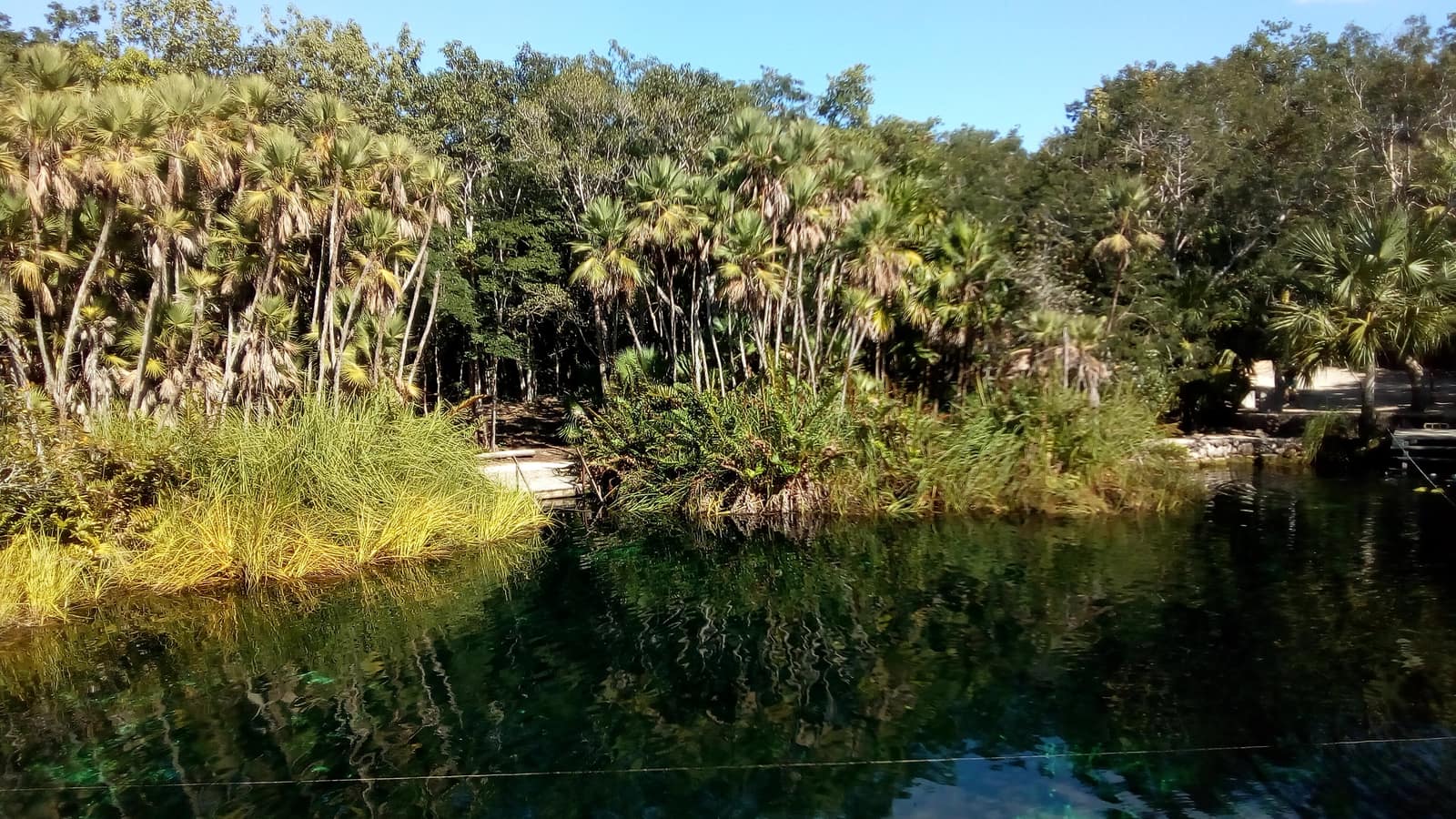
Cool limestone pools open beneath jungle canopy; light shafts cut the water like columns. Evenings move from reef swim to limestone ruins warm with stone.
- Duration
- 8 days
- Effort
- Easy
- Window
- Nov–Apr
$5,200–$7,800
Detail →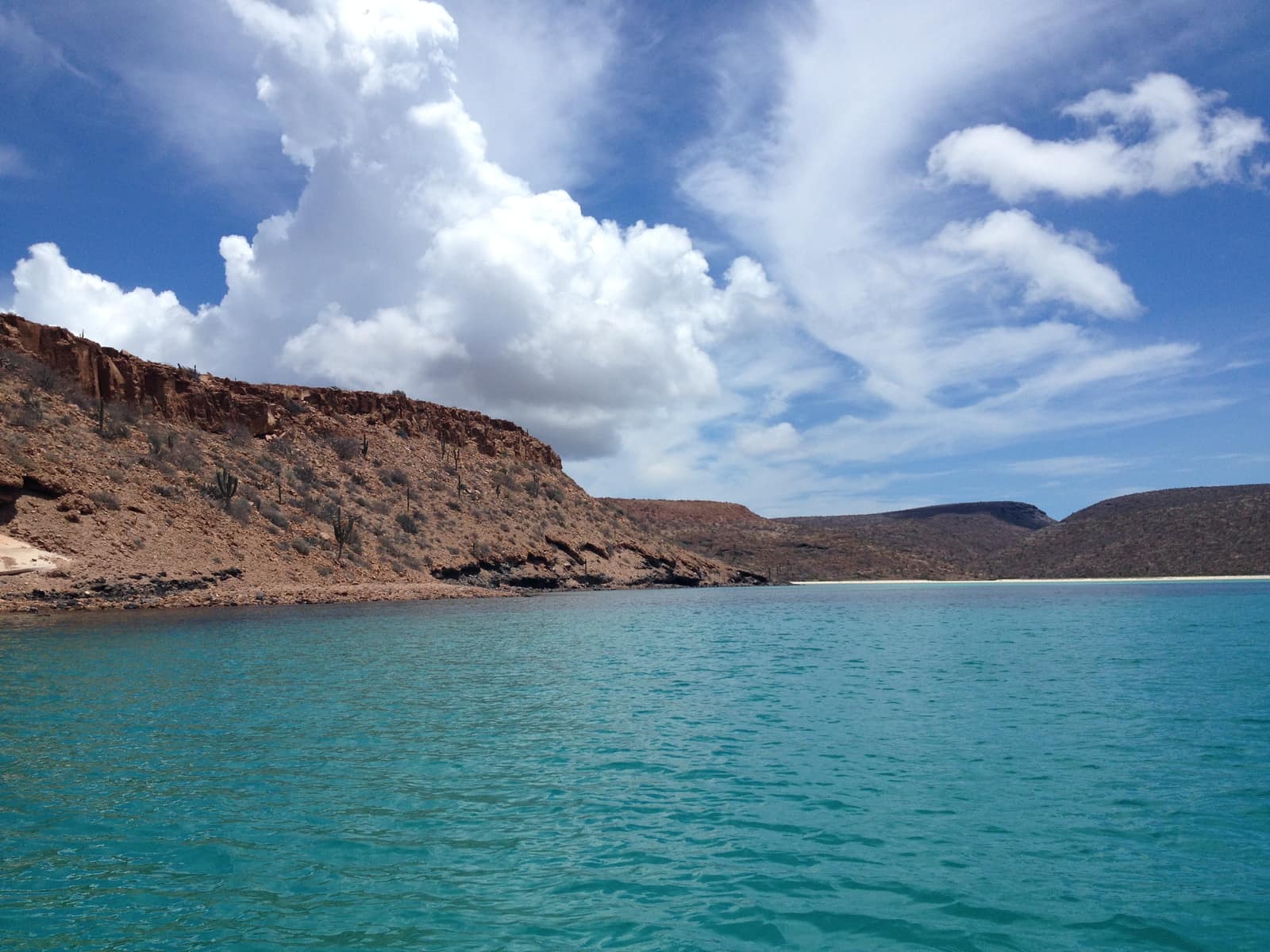
Mexico
Baja Sea of Cortez Crossing
Loreto to La Paz
Kayak past sea lions on desert islands while whale breath plumes the channel. Camp on beaches where the desert meets deep blue water.
- Duration
- 9 days
- Effort
- Moderate
- Window
- Oct–Nov & Mar–Apr
$7,800–$11,200
Detail →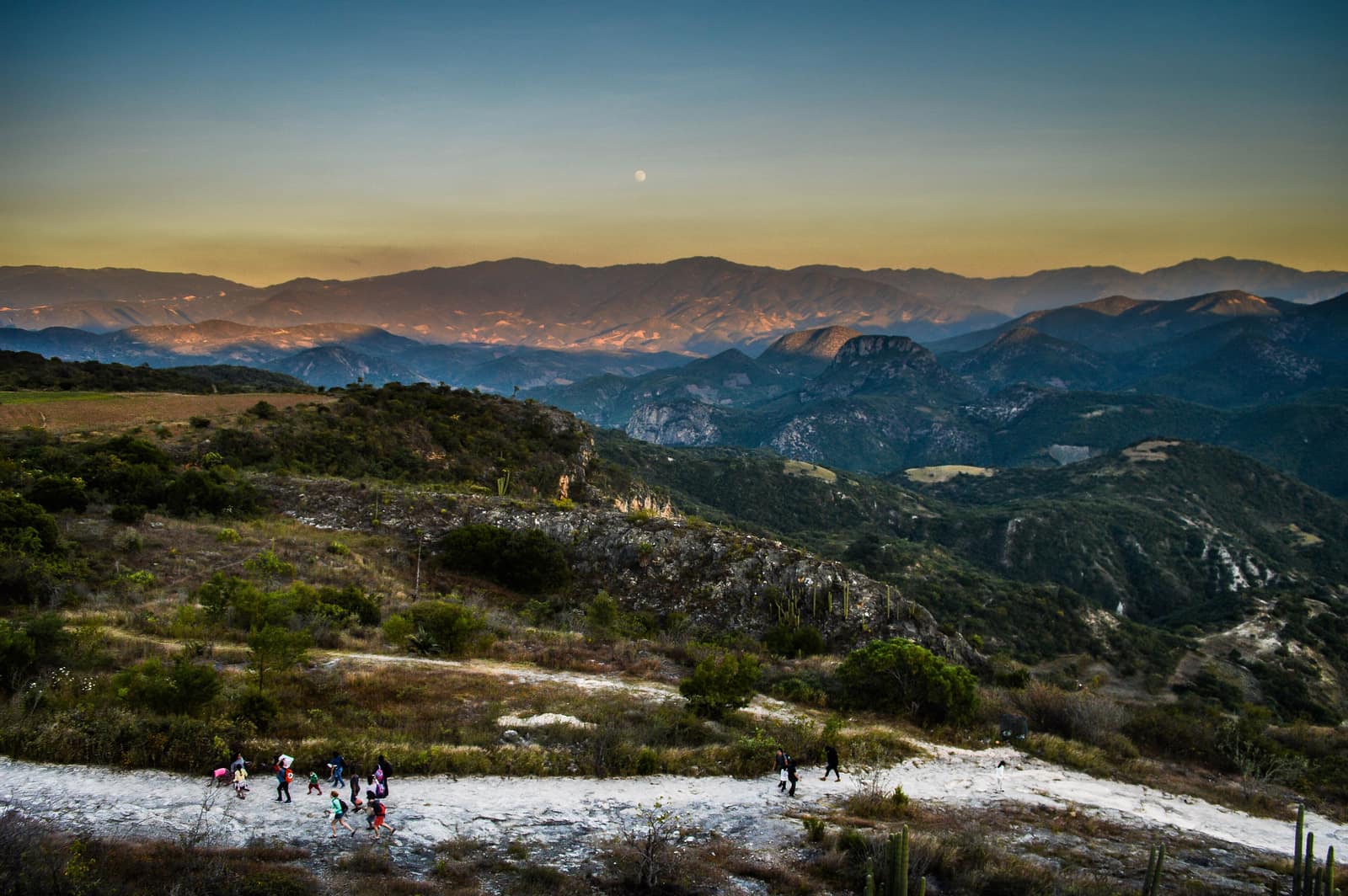
Mexico
Oaxaca Highland Ascent
Sierra Norte & Central Valleys
Cloud forest trails link Zapotec villages where smoke from cooking fires rises at dusk. Ridges open onto valleys quilted with maize and agave.
- Duration
- 8 days
- Effort
- Moderate
- Window
- Oct–Mar
$4,800–$7,200
Detail →From the ground
Frames from this route family and country — not a studio set, and not a promise of identical weather.