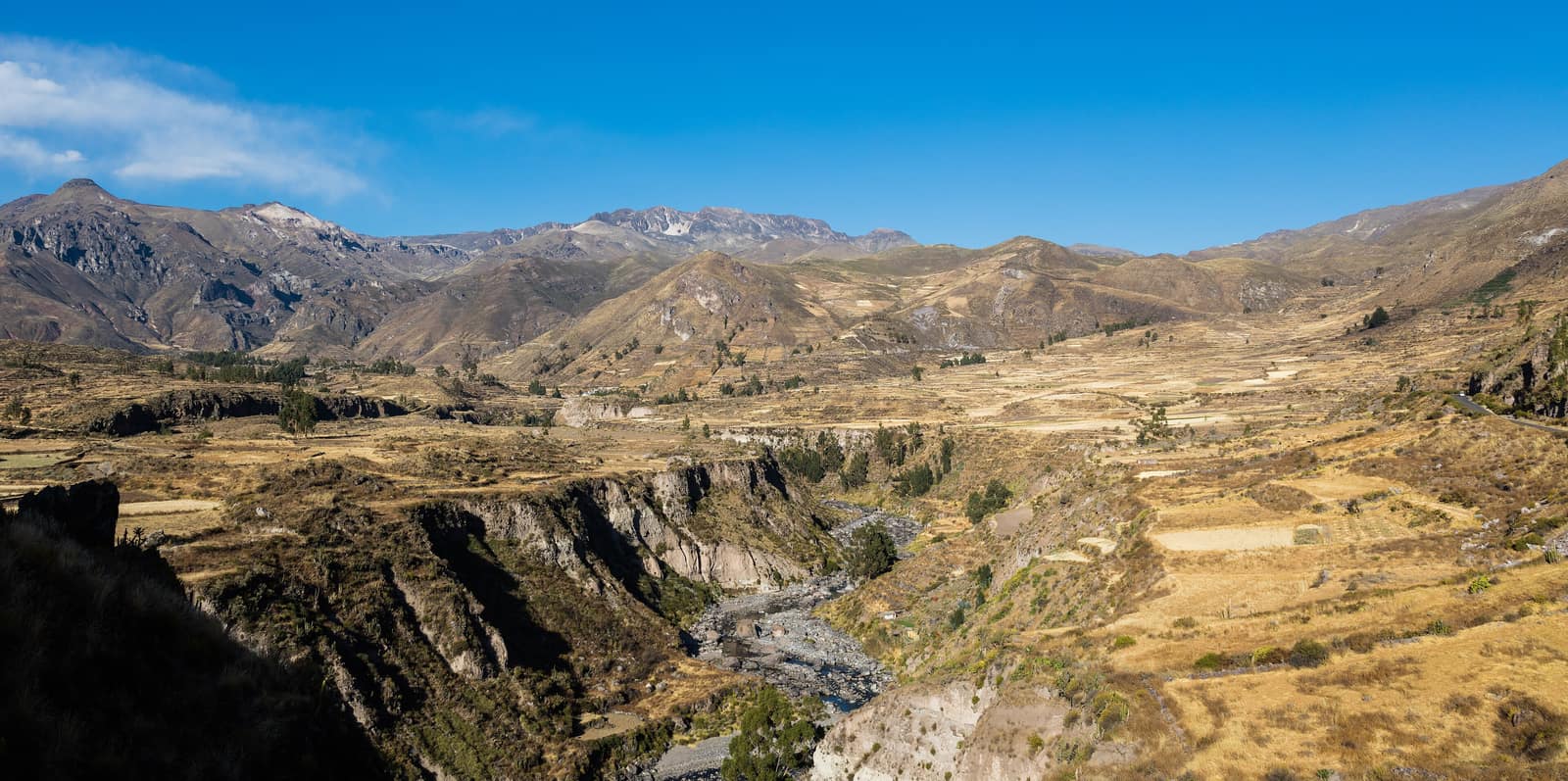
Colca Canyon Descent
Cañón del Colca, Arequipa
Condors ride thermals above terraced canyon walls. Trails drop to oasis villages where the river still cuts stone.
- Days
- 7
- Effort
- Moderate
- Window
- Apr–Nov
- From
- $4,900
The ground
Colca is about 3,270 m deep at its deepest point, which makes it one of the deepest canyons on earth, but the shape is the interesting part, not the number. It is a terraced, inhabited canyon, farmed continuously since pre-Inca times, with Collagua and Cabana villages still working the same andenes.
The condors at Cruz del Cóndor are the set piece, and they are reliable in the right window: Andean condors ride the morning thermals out of the gorge between roughly 8 and 10 a.m. often within a few metres of the viewpoint. Adults span up to 3.2 m.
The descent itself drops about 1,200 m to the Sangalle oasis on the canyon floor and climbs back out, a genuinely hard ascent at altitude that most people underestimate. Mules are available and there is no shame in using them.
Cañón del Colca, Arequipa, Peru. Collagua and Cabana communities. Working elevation runs Rim 3,300–3,600 m · Patapampa pass 4,910 m · Sangalle oasis 2,100 m. That profile shapes sleep, pace, and how early the group needs to move. The published window: April through November. Condor activity is good year-round but morning thermals are most reliable in the dry season. Within that window, day order still flexes with weather and access.
A Colca tourist ticket is required and checked at the valley entrance and at Cruz del Cóndor. Cruz del Cóndor is busy by mid-morning. We are there for the first thermals, which is both better viewing and a quieter viewpoint. Private guide and vehicle, staying in rim lodges and a simple canyon-floor stay. Small-group departures up to ten. This is the operating shape of the trip: private enough to reorder days, constrained enough that permits and local rules still set the ceiling.
Shape of the days
A shape, not a script. Order and pacing move with weather, permits, and how the first days actually go.
Day 1
Arequipa: opening
Day 1 sits inside the 1–2 arc titled Arequipa. Arrival at 2,335 m, the Santa Catalina monastery, and a day to adjust before going higher. This opening slice sets the logistics and the first read of the ground before the denser days. Arrival and orientation use the published access picture. A Colca tourist ticket is required and checked at the valley entrance and at Cruz del Cóndor. Elevation context for the programme: Rim 3,300–3,600 m · Patapampa pass 4,910 m · Sangalle oasis 2,100 m. Sleep and walk length are graded against that, not against a generic fitness brochure. Early days protect the later ones. We do not burn the group on a full-length day before the body has met the altitude, heat, or boat rhythm this route actually uses. The condors at Cruz del Cóndor are the set piece, and they are reliable in the right window: Andean condors ride the morning thermals out of the gorge between roughly 8 and 10 a.m. often within a few metres of the viewpoint. Adults span up to 3.2 m. Geography stays inside Cañón del Colca, Arequipa, Peru. Collagua and Cabana communities. Season logic we plan against: April through November. Condor activity is good year-round but morning thermals are most reliable in the dry season. Packing still matters here: Layers for a rim that freezes at night and a canyon floor at 2,100 m that does not.
Day 2
Arequipa: continuation
Day 2 sits inside the 1–2 arc titled Arequipa. Arrival at 2,335 m, the Santa Catalina monastery, and a day to adjust before going higher. This closing slice of the block consolidates what the earlier days opened, without inventing a new sector. Arrival and orientation use the published access picture. Cruz del Cóndor is busy by mid-morning. We are there for the first thermals, which is both better viewing and a quieter viewpoint. Elevation context for the programme: Rim 3,300–3,600 m · Patapampa pass 4,910 m · Sangalle oasis 2,100 m. Sleep and walk length are graded against that, not against a generic fitness brochure. Early days protect the later ones. We do not burn the group on a full-length day before the body has met the altitude, heat, or boat rhythm this route actually uses. often within a few metres of the viewpoint. Adults span up to 3.2 m. Geography stays inside Cañón del Colca, Arequipa, Peru. Collagua and Cabana communities. Season logic we plan against: April through November. Condor activity is good year-round but morning thermals are most reliable in the dry season. Packing still matters here: Layers for a rim that freezes at night and a canyon floor at 2,100 m that does not.
Day 3
To the canyon
Day 3 sits inside the 3 arc titled To the canyon. Over the Patapampa pass at 4,910 m, vicuña country and a view of six volcanoes, down to Chivay and the Colca hot springs. The day order inside this block can shift when weather or access forces a rewrite. This is the denser stretch. A Colca tourist ticket is required and checked at the valley entrance and at Cruz del Cóndor. Fitness for the block: Moderate to challenging on the canyon days. Conditions: Rim days 15–22 °C and below freezing at night in June and July; the canyon floor is markedly warmer. Expect a full field day measured in hours on foot, on the water, or in transit between sectors already named above. Private guiding means we can shorten or reorder, not that the underlying constraints disappear. Colca is about 3,270 m deep at its deepest point, which makes it one of the deepest canyons on earth, but the shape is the interesting part, not the number. It is a terraced, inhabited canyon, farmed continuously since pre-Inca times, with Collagua and Cabana villages still working the same andenes. Geography stays inside Cañón del Colca, Arequipa, Peru. Collagua and Cabana communities. Season logic we plan against: April through November. Condor activity is good year-round but morning thermals are most reliable in the dry season. For kit on these days: Layers for a rim that freezes at night and a canyon floor at 2,100 m that does not.
Day 4
Condors and descent: opening
Day 4 sits inside the 4–5 arc titled Condors and descent. Cruz del Cóndor at first thermals, then the descent to Sangalle on the canyon floor with a night there. This opening slice sets the logistics and the first read of the ground before the denser days. Field days stay inside the ground already described for Peru. Colca is about 3,270 m deep at its deepest point, which makes it one of the deepest canyons on earth, but the shape is the interesting part, not the number. Cruz del Cóndor is busy by mid-morning. We are there for the first thermals, which is both better viewing and a quieter viewpoint. Private guide and vehicle, staying in rim lodges and a simple canyon-floor stay. Expect a full field day measured in hours on foot, on the water, or in transit between sectors already named above. Private guiding means we can shorten or reorder, not that the underlying constraints disappear. The condors at Cruz del Cóndor are the set piece, and they are reliable in the right window: Andean condors ride the morning thermals out of the gorge between roughly 8 and 10 a.m. often within a few metres of the viewpoint. Adults span up to 3.2 m. Geography stays inside Cañón del Colca, Arequipa, Peru. Collagua and Cabana communities. Season logic we plan against: April through November. Condor activity is good year-round but morning thermals are most reliable in the dry season. For kit on these days: Layers for a rim that freezes at night and a canyon floor at 2,100 m that does not.
Day 5
Condors and descent: continuation
Day 5 sits inside the 4–5 arc titled Condors and descent. Cruz del Cóndor at first thermals, then the descent to Sangalle on the canyon floor with a night there. This closing slice of the block consolidates what the earlier days opened, without inventing a new sector. Field days stay inside the ground already described for Peru. The condors at Cruz del Cóndor are the set piece, and they are reliable in the right window: Andean condors ride the morning thermals out of the gorge between roughly 8 and 10 a. A Colca tourist ticket is required and checked at the valley entrance and at Cruz del Cóndor. Private guide and vehicle, staying in rim lodges and a simple canyon-floor stay. Expect a full field day measured in hours on foot, on the water, or in transit between sectors already named above. Private guiding means we can shorten or reorder, not that the underlying constraints disappear. often within a few metres of the viewpoint. Adults span up to 3.2 m. Geography stays inside Cañón del Colca, Arequipa, Peru. Collagua and Cabana communities. Season logic we plan against: April through November. Condor activity is good year-round but morning thermals are most reliable in the dry season. For kit on these days: Layers for a rim that freezes at night and a canyon floor at 2,100 m that does not.
Days 6–7
Ascent and exit
Days 6–7 continue the Ascent and exit block. The climb back to the rim at dawn, the Collagua villages of Yanque and Coporaque, then return to Arequipa. The day order inside this block can shift when weather or access forces a rewrite. Exit logistics follow the same transfer pattern already built into the programme. A Colca tourist ticket is required and checked at the valley entrance and at Cruz del Cóndor. International connections should leave buffer after the last field day; late-evening flights only when the ground day is genuinely short. The last day is deliberately lighter where the catalogue allows it, so extraction does not collide with a hard physical ask. Colca is about 3,270 m deep at its deepest point, which makes it one of the deepest canyons on earth, but the shape is the interesting part, not the number. It is a terraced, inhabited canyon, farmed continuously since pre-Inca times, with Collagua and Cabana villages still working the same andenes. Geography stays inside Cañón del Colca, Arequipa, Peru. Collagua and Cabana communities. Season logic we plan against: April through November. Condor activity is good year-round but morning thermals are most reliable in the dry season. Packing still matters here: Layers for a rim that freezes at night and a canyon floor at 2,100 m that does not.
Conditions
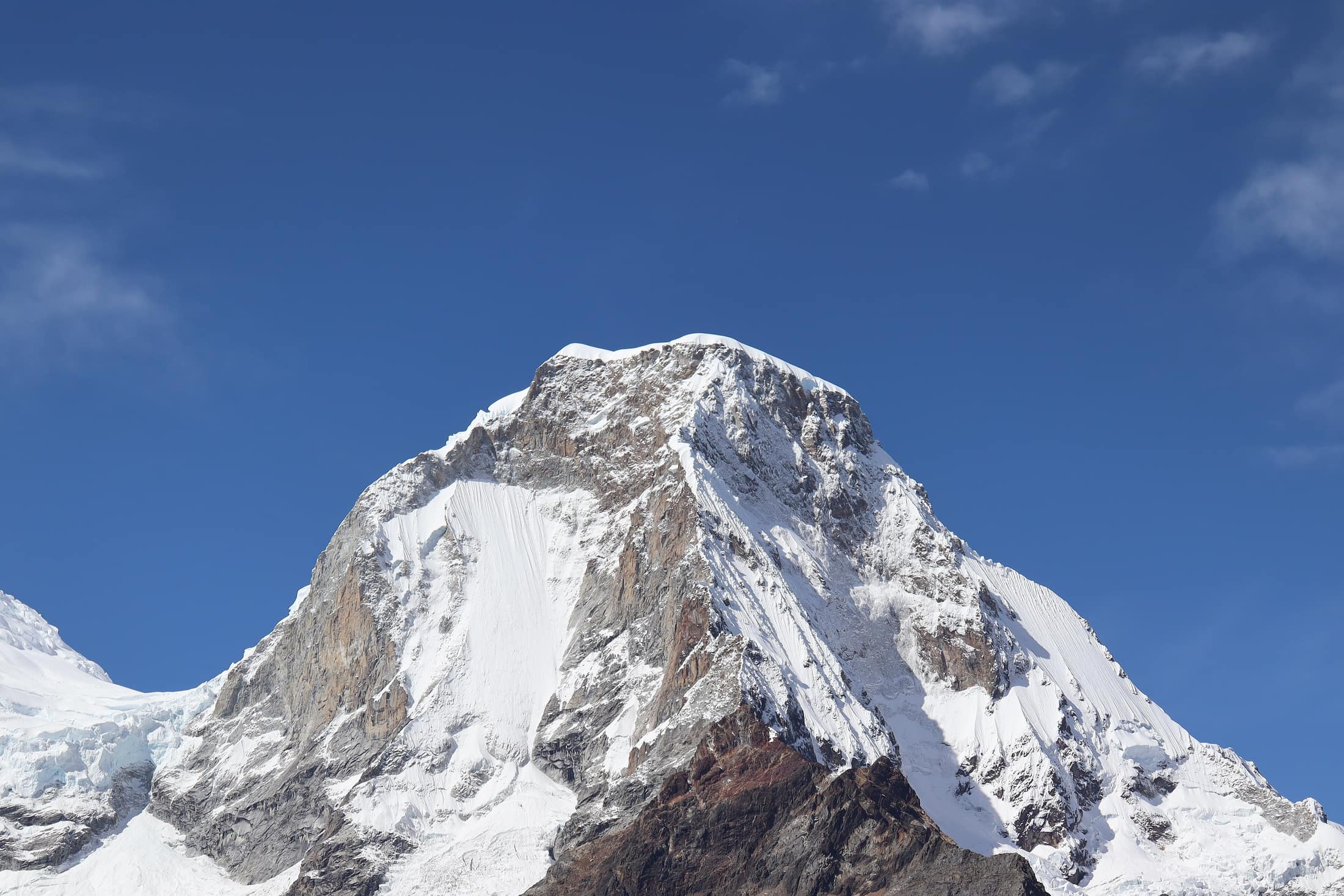
Rim days 15–22 °C and below freezing at night in June and July; the canyon floor is markedly warmer. April to November is dry. The Patapampa pass at 4,910 m is the altitude high point and is felt.
Fitness bar
Moderate to challenging on the canyon days. The ascent out of Sangalle is roughly 1,200 m of continuous climb starting at 2,100 m, usually done pre-dawn to beat the heat. Rim and village days are easy. Altitude medication is a conversation with your own doctor; we do not prescribe.
Best months
April through November. Condor activity is good year-round but morning thermals are most reliable in the dry season.
Private or small group
Private guide and vehicle, staying in rim lodges and a simple canyon-floor stay. Small-group departures up to ten.
What to bring
Layers for a rim that freezes at night and a canyon floor at 2,100 m that does not. Sun protection for the 4,910 m pass, boots for a 1,200 m descent and re-ascent, and poles. Cash for the Colca tourist ticket if not prepaid.
High Andes
Access and permits
The constraints that actually decide whether a date is possible.
- A Colca tourist ticket is required and checked at the valley entrance and at Cruz del Cóndor.
- Cruz del Cóndor is busy by mid-morning. We are there for the first thermals, which is both better viewing and a quieter viewpoint.
Included
- Colca tourist ticket and all site entries
- Private guide and vehicle, mule support on the ascent if wanted
- Rim lodge and canyon-floor accommodation, all meals
- Arequipa hotel nights and transfers
- Daily field briefings with the lead guide before departure
Not included
- International flights
- Guaranteed condor sightings, they are wild and weather-driven
- Cotahuasi extension
- Personal insurance, including medical and evacuation cover
- Tips for guides and lodge staff, which remain optional and separate
What the price reflects
$4,900–7,400 for seven days is a premium on a route that is heavily travelled at budget rates. It buys the good rim lodges, a private vehicle over the 4,910 m pass, private guiding, and mule support if the ascent goes badly. What moves a quote inside that picture is party size, season, and the lodge or camp class actually available for your dates. Private guide and vehicle, staying in rim lodges and a simple canyon-floor stay. Small-group departures up to ten. On the included side, the band already assumes items such as: Colca tourist ticket and all site entries; Private guide and vehicle, mule support on the ascent if wanted; Rim lodge and canyon-floor accommodation, all meals. Still outside the band unless we write them in: International flights; Guaranteed condor sightings, they are wild and weather-driven; Cotahuasi extension. Nothing is confirmed until it is confirmed in writing.
- Party size
- Per-person cost usually falls as the private team is shared across more guests, up to the format limit implied by the guiding and lodge picture. Private guide and vehicle, staying in rim lodges and a simple canyon-floor stay.
- Season and dates
- Window on the card: Apr–Nov. Planning note: April through November. Condor activity is good year-round but morning thermals are most reliable in the dry season. Peak dates inside that window tighten lodge and permit availability, which is what usually pushes a quote toward the top of a published band.
- Lodge or camp class
- Accommodation in the band reflects: Rim lodge and canyon-floor accommodation, all meals. Moving up or down a class, or shifting to a scarcer property, changes the quote without changing the route.
- Internal transport
- Transfers and regional legs follow the trip design. Watch for: International flights. Charter or peak-season domestic seats, where they apply, sit outside a simple road transfer.
- Permits and access
- Access cost tracks what the ground already requires. Colca tourist ticket and all site entries We do not invent fee figures beyond what the catalogue already states.
- Outside the band
- Not assumed unless written in: International flights; Guaranteed condor sightings, they are wild and weather-driven; Cotahuasi extension.
Bands are per person sharing and move with party size, season, and lodge choice. Nothing is confirmed until it is confirmed in writing. How we price.
Where this is
Cañón del Colca, Arequipa, Peru. Collagua and Cabana communities.
Elevation: Rim 3,300–3,600 m · Patapampa pass 4,910 m · Sangalle oasis 2,100 m. Season as published: Apr–Nov. Difficulty as assessed: Moderate.
What we checked
Seasons, altitudes, permits, and caps on this page were checked against park authorities, monitoring agencies, and operators on the ground. Where a fact changes with the year, we say so rather than round it off.
Near this
Same terrain, different week
Peru
Andes Shadow Traverse
Cordillera Blanca & Cordillera Huayhuash (Ancash)
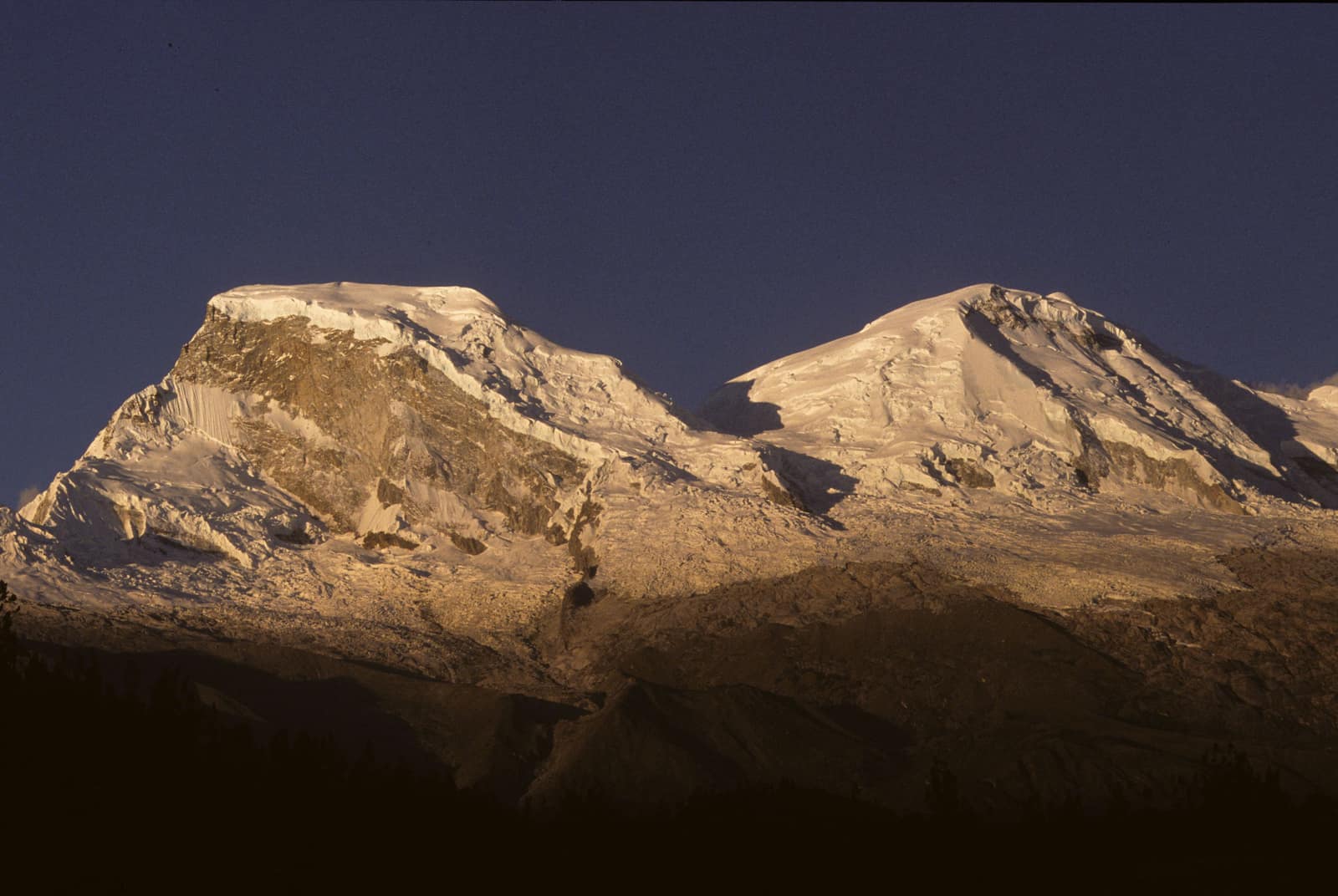
High passes catch first light while glacial valleys still hold cold air. Condors work the ridgelines as you thread camps between ice and stone.
- Duration
- 12 days
- Effort
- Challenging
- Window
- May–Sep
$8,900–$12,500
Detail →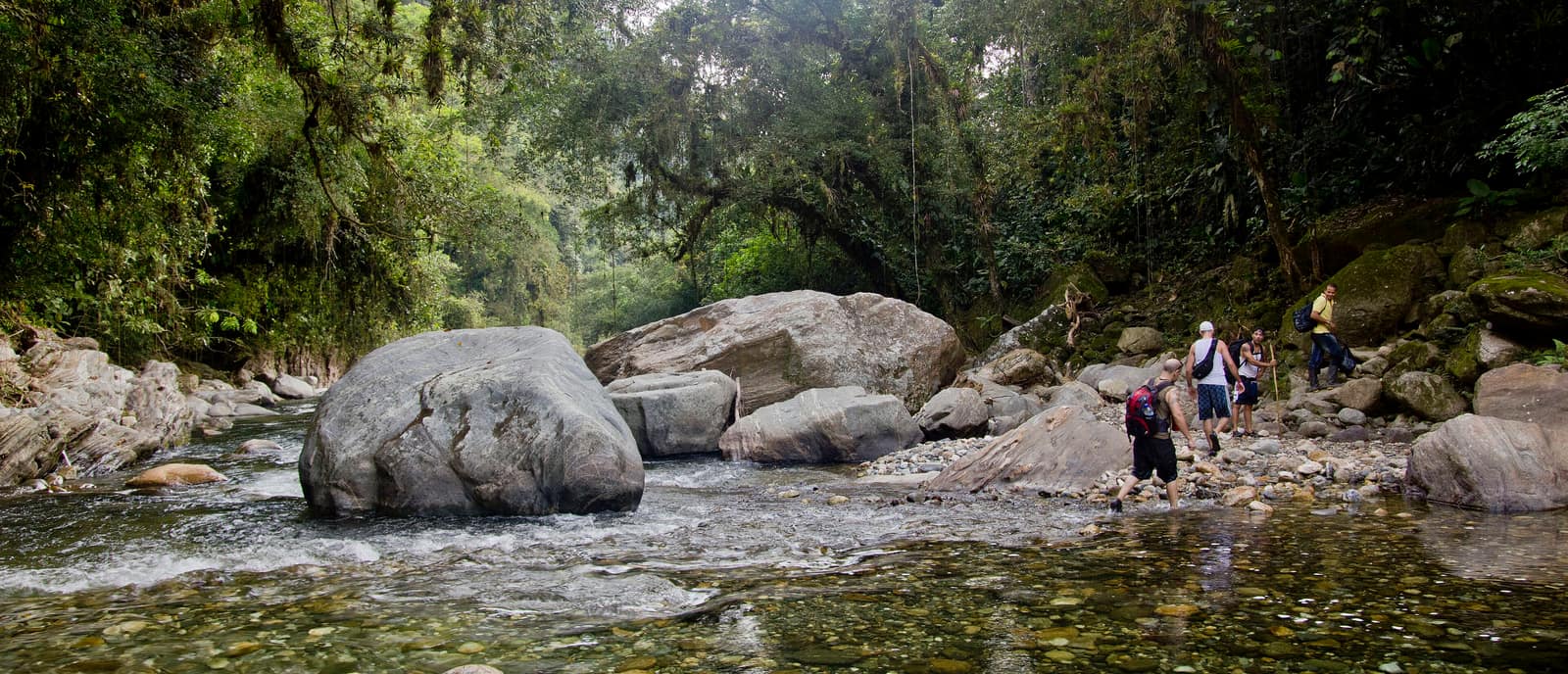
Colombia
Lost City Sierra Ascent
Sierra Nevada de Santa Marta
Multi-day trek to Ciudad Perdida through river crossings and jungle stairs. Stone terraces emerge where the forest breaks.
- Duration
- 7 days
- Effort
- Challenging
- Window
- Dec–Mar
$5,200–$6,800
Detail →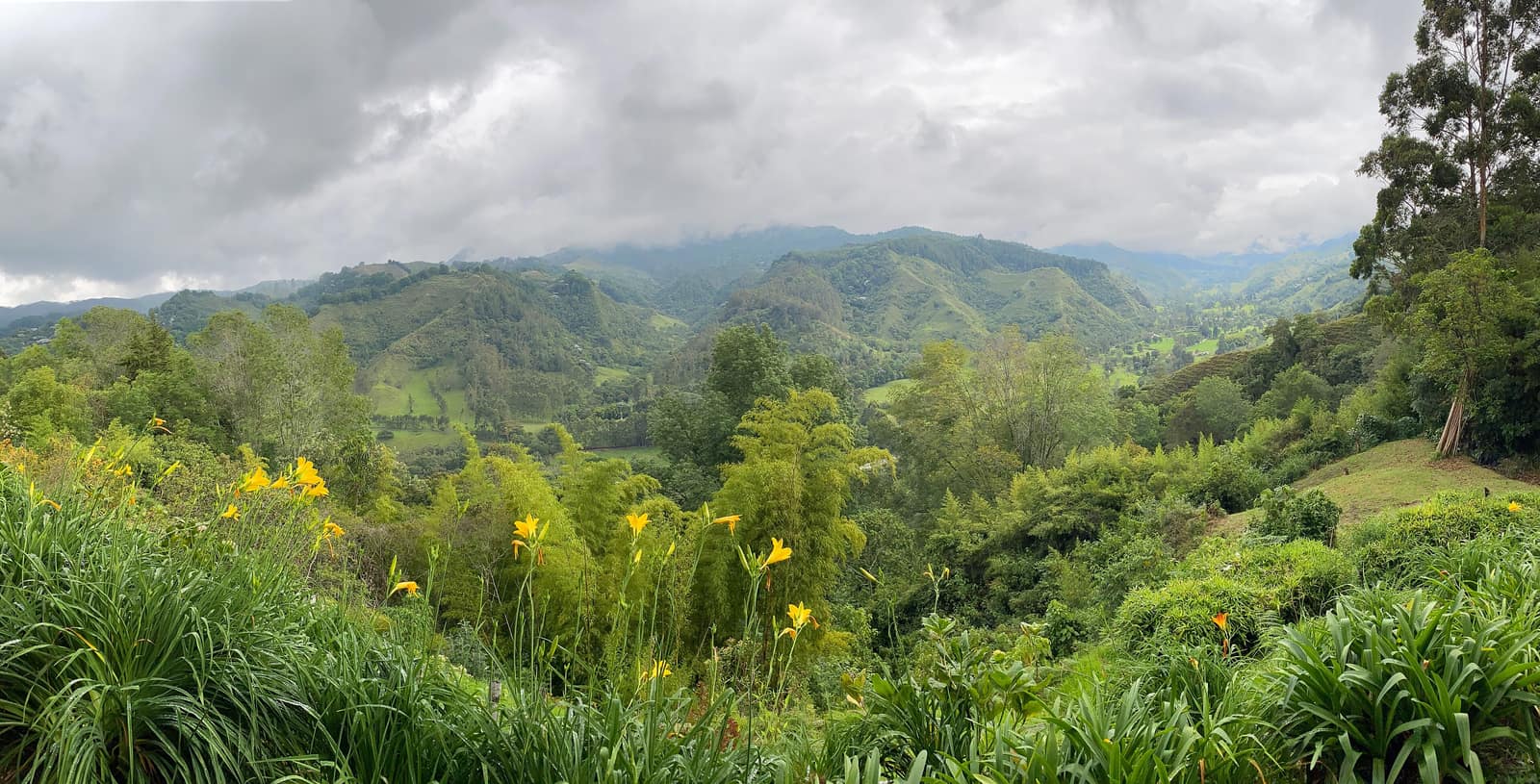
Colombia
Coffee Triangle Highland Circuit
Eje Cafetero & Valle de Cocora (Quindío)
Wax palms rise through cloud in Cocora Valley. Fincas open their drying yards; trails link ridgelines above green valleys.
- Duration
- 8 days
- Effort
- Moderate
- Window
- Year-round
$5,100–$7,800
Detail →From the ground
Frames from this route family and country — not a studio set, and not a promise of identical weather.