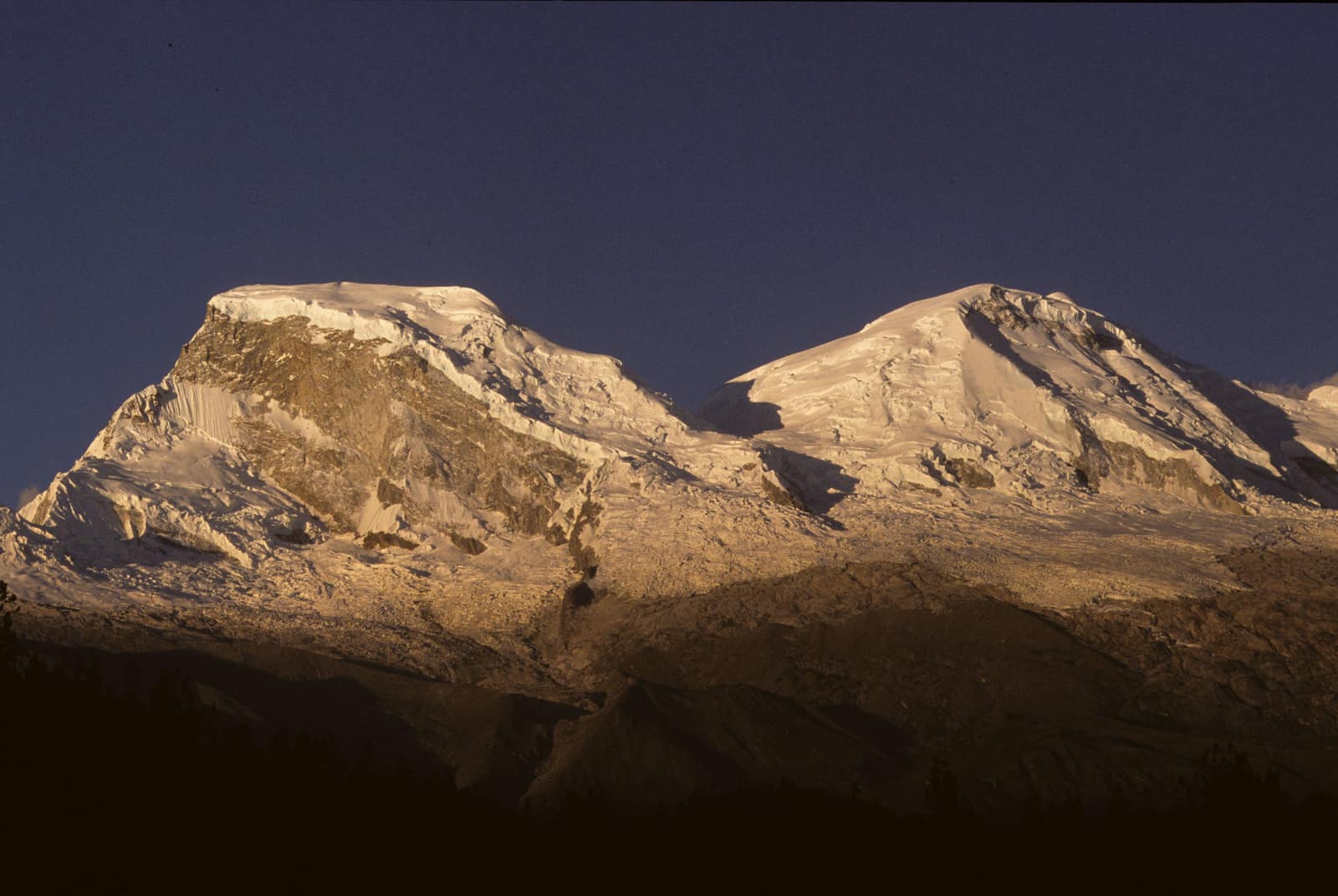
Andes Shadow Traverse
Cordillera Blanca & Cordillera Huayhuash (Ancash)
High passes catch first light while glacial valleys still hold cold air. Condors work the ridgelines as you thread camps between ice and stone.
- Days
- 12
- Effort
- Challenging
- Window
- May–Sep
- From
- $8,900
The ground
Two ranges, one province. The Cordillera Blanca carries more glaciated peaks above 5,500 m than anywhere else in the tropics, and the Huayhuash sits just south of it, shorter, sharper, emptier. This route works both from Huaraz, in Ancash. It does not touch Cusco or the Sacred Valley; those are roughly 800 km away and belong to a different trip.
Days start cold. Ice melt runs loud in the quebradas by mid-morning, then the valley wind picks up and the light goes flat. Camps sit on grass benches above 4,000 m where the temperature drops the moment the sun leaves the ridge. Condors work the thermals off Huascarán's south face most clear afternoons.
Acclimatisation is the design constraint, not a courtesy. We build the first three days around graded day walks out of Huaraz and the Callejón de Huaylas before any pass, and we carry oxygen and a pulse oximeter on every departure.
Cordillera Blanca and Cordillera Huayhuash, both in Ancash, staged from Huaraz. This itinerary does not include the Sacred Valley. Working elevation runs Huaraz 3,050 m · camps 4,100–4,300 m · passes to ~4,750 m. That profile shapes sleep, pace, and how early the group needs to move. The published window: May through September is the dry season and the only window we run this. June to August is the most settled. October onward brings wet snow onto the passes. Within that window, day order still flexes with weather and access.
Huascarán National Park charges a multi-day trekking fee per person; the Huayhuash sections additionally require payments to each comunidad campesina whose land the route crosses. Huayhuash access is negotiated village by village and can change between seasons. We confirm the exact line four to six weeks out. Private by default, your own guide, cook, and pack team, and your own departure date. We also run two or three small-group departures a season, capped at eight guests. This is the operating shape of the trip: private enough to reorder days, constrained enough that permits and local rules still set the ceiling.
Shape of the days
A shape, not a script. Order and pacing move with weather, permits, and how the first days actually go.
Days 1–2
Lima to Huaraz, acclimatisation: opening
Days 1–2 continue the Lima to Huaraz, acclimatisation block. Overland or short flight to the Callejón de Huaylas. Two graded acclimatisation days, Laguna Wilcacocha, then Laguna 69 or the Quilcayhuanca valley, with resting heart rate and saturation checked each evening. This opening slice sets the logistics and the first read of the ground before the denser days. Arrival and orientation use the published access picture. Huascarán National Park charges a multi-day trekking fee per person; the Huayhuash sections additionally require payments to each comunidad campesina whose land the route crosses. Elevation context for the programme: Huaraz 3,050 m · camps 4,100–4,300 m · passes to ~4,750 m. Sleep and walk length are graded against that, not against a generic fitness brochure. Early days protect the later ones. We do not burn the group on a full-length day before the body has met the altitude, heat, or boat rhythm this route actually uses. Days start cold. Ice melt runs loud in the quebradas by mid-morning, then the valley wind picks up and the light goes flat. Camps sit on grass benches above 4,000 m where the temperature drops the moment the sun leaves the ridge. Condors work the thermals off Huascarán's south face most clear afternoons. Geography stays inside Cordillera Blanca and Cordillera Huayhuash, both in Ancash, staged from Huaraz. This itinerary does not include the Sacred Valley. Season logic we plan against: May through September is the dry season and the only window we run this. June to August is the most settled. October onward brings wet snow onto the passes. Packing still matters here: A bag rated to about −10 °C for camps above.
Day 3
Lima to Huaraz, acclimatisation: continuation
Day 3 sits inside the 1–3 arc titled Lima to Huaraz, acclimatisation. Overland or short flight to the Callejón de Huaylas. Two graded acclimatisation days, Laguna Wilcacocha, then Laguna 69 or the Quilcayhuanca valley, with resting heart rate and saturation checked each evening. This closing slice of the block consolidates what the earlier days opened, without inventing a new sector. Arrival and orientation use the published access picture. Huayhuash access is negotiated village by village and can change between seasons. We confirm the exact line four to six weeks out. Elevation context for the programme: Huaraz 3,050 m · camps 4,100–4,300 m · passes to ~4,750 m. Sleep and walk length are graded against that, not against a generic fitness brochure. Early days protect the later ones. We do not burn the group on a full-length day before the body has met the altitude, heat, or boat rhythm this route actually uses. Ice melt runs loud in the quebradas by mid-morning, then the valley wind picks up and the light goes flat. Camps sit on grass benches above 4,000 m where the temperature drops the moment the sun leaves the ridge. Condors work the thermals off Huascarán's south face most clear afternoons. Geography stays inside Cordillera Blanca and Cordillera Huayhuash, both in Ancash, staged from Huaraz. This itinerary does not include the Sacred Valley. Season logic we plan against: May through September is the dry season and the only window we run this. June to August is the most settled. October onward brings wet snow onto the passes. Packing still matters here: A bag rated to about −10 °C for camps above 4,000 m, and.
Days 4–5
Cordillera Blanca: opening
Days 4–5 continue the Cordillera Blanca block. Santa Cruz valley or the Quilcayhuanca–Huapi circuit, depending on snow line and river levels. Private camp, cook team, and pack animals. Punta Unión at 4,750 m on the classic line. This opening slice sets the logistics and the first read of the ground before the denser days. Field days stay inside the ground already described for Peru. Acclimatisation is the design constraint, not a courtesy. Huascarán National Park charges a multi-day trekking fee per person; the Huayhuash sections additionally require payments to each comunidad campesina whose land the route crosses. Private by default, your own guide, cook, and pack team, and your own departure date. Expect a full field day measured in hours on foot, on the water, or in transit between sectors already named above. Private guiding means we can shorten or reorder, not that the underlying constraints disappear. Two ranges, one province. The Cordillera Blanca carries more glaciated peaks above 5,500 m than anywhere else in the tropics, and the Huayhuash sits just south of it, shorter, sharper, emptier. This route works both from Huaraz, in Ancash. It does not touch Cusco or the Sacred Valley; those are roughly 800 km away and belong to a different trip. Geography stays inside Cordillera Blanca and Cordillera Huayhuash, both in Ancash, staged from Huaraz. This itinerary does not include the Sacred Valley. Season logic we plan against: May through September is the dry season and the only window we run this. June to August is the most settled. October onward brings wet snow onto the passes. For kit on these days: A bag rated to about −10 °C.
Days 6–7
Cordillera Blanca: continuation
Days 6–7 continue the Cordillera Blanca block. Santa Cruz valley or the Quilcayhuanca–Huapi circuit, depending on snow line and river levels. Private camp, cook team, and pack animals. Punta Unión at 4,750 m on the classic line. This closing slice of the block consolidates what the earlier days opened, without inventing a new sector. Field days stay inside the ground already described for Peru. Two ranges, one province. Huayhuash access is negotiated village by village and can change between seasons. We confirm the exact line four to six weeks out. Private by default, your own guide, cook, and pack team, and your own departure date. Expect a full field day measured in hours on foot, on the water, or in transit between sectors already named above. Private guiding means we can shorten or reorder, not that the underlying constraints disappear. The Cordillera Blanca carries more glaciated peaks above 5,500 m than anywhere else in the tropics, and the Huayhuash sits just south of it, shorter, sharper, emptier. This route works both from Huaraz, in Ancash. It does not touch Cusco or the Sacred Valley; those are roughly 800 km away and belong to a different trip. Geography stays inside Cordillera Blanca and Cordillera Huayhuash, both in Ancash, staged from Huaraz. This itinerary does not include the Sacred Valley. Season logic we plan against: May through September is the dry season and the only window we run this. June to August is the most settled. October onward brings wet snow onto the passes. For kit on these days: A bag rated to about −10 °C for camps above 4,000 m, and layers for a pass that.
Days 8–9
Huayhuash or extended Blanca: opening
Days 8–9 continue the Huayhuash or extended Blanca block. Either a Huayhuash section out of Llámac, Mitucocha, Carhuacocha, the Siula viewpoint, or a deeper Blanca loop if Huayhuash access or weather does not hold. The call is made in the field, not in advance. This opening slice sets the logistics and the first read of the ground before the denser days. Field days stay inside the ground already described for Peru. Days start cold. Ice melt runs loud in the quebradas by mid-morning, then the valley wind picks up and the light goes flat. Huascarán National Park charges a multi-day trekking fee per person; the Huayhuash sections additionally require payments to each comunidad campesina whose land the route crosses. Private by default, your own guide, cook, and pack team, and your own departure date. Expect a full field day measured in hours on foot, on the water, or in transit between sectors already named above. Private guiding means we can shorten or reorder, not that the underlying constraints disappear. Acclimatisation is the design constraint, not a courtesy. We build the first three days around graded day walks out of Huaraz and the Callejón de Huaylas before any pass, and we carry oxygen and a pulse oximeter on every departure. Geography stays inside Cordillera Blanca and Cordillera Huayhuash, both in Ancash, staged from Huaraz. This itinerary does not include the Sacred Valley. Season logic we plan against: May through September is the dry season and the only window we run this. June to August is the most settled. October onward brings wet snow onto the passes. For kit on these days: A bag rated to about.
Days 10–11
Huayhuash or extended Blanca: continuation
Days 10–11 continue the Huayhuash or extended Blanca block. Either a Huayhuash section out of Llámac, Mitucocha, Carhuacocha, the Siula viewpoint, or a deeper Blanca loop if Huayhuash access or weather does not hold. The call is made in the field, not in advance. This closing slice of the block consolidates what the earlier days opened, without inventing a new sector. Field days stay inside the ground already described for Peru. Acclimatisation is the design constraint, not a courtesy. Huayhuash access is negotiated village by village and can change between seasons. We confirm the exact line four to six weeks out. Private by default, your own guide, cook, and pack team, and your own departure date. Expect a full field day measured in hours on foot, on the water, or in transit between sectors already named above. Private guiding means we can shorten or reorder, not that the underlying constraints disappear. We build the first three days around graded day walks out of Huaraz and the Callejón de Huaylas before any pass, and we carry oxygen and a pulse oximeter on every departure. Geography stays inside Cordillera Blanca and Cordillera Huayhuash, both in Ancash, staged from Huaraz. This itinerary does not include the Sacred Valley. Season logic we plan against: May through September is the dry season and the only window we run this. June to August is the most settled. October onward brings wet snow onto the passes. For kit on these days: A bag rated to about −10 °C for camps above 4,000 m, and layers for a pass that freezes over valleys that do not.
Day 12
Exit Huaraz
Day 12 sits inside the 12 arc titled Exit Huaraz. Descent, hot springs at Monterrey or Chancos, and transfer to Lima. Late-evening international connections only. The day order inside this block can shift when weather or access forces a rewrite. Exit logistics follow the same transfer pattern already built into the programme. Huayhuash access is negotiated village by village and can change between seasons. We confirm the exact line four to six weeks out. International connections should leave buffer after the last field day; late-evening flights only when the ground day is genuinely short. The last day is deliberately lighter where the catalogue allows it, so extraction does not collide with a hard physical ask. Days start cold. Ice melt runs loud in the quebradas by mid-morning, then the valley wind picks up and the light goes flat. Camps sit on grass benches above 4,000 m where the temperature drops the moment the sun leaves the ridge. Condors work the thermals off Huascarán's south face most clear afternoons. Geography stays inside Cordillera Blanca and Cordillera Huayhuash, both in Ancash, staged from Huaraz. This itinerary does not include the Sacred Valley. Season logic we plan against: May through September is the dry season and the only window we run this. June to August is the most settled. October onward brings wet snow onto the passes. Packing still matters here: A bag rated to about −10 °C for camps above 4,000 m, and layers for a pass that freezes over valleys that do not.
Conditions
Dry-season days run 12–18 °C in the valleys and drop below freezing at camp most nights. Afternoon graupel is common even in July. Sun exposure at altitude is severe; the UV index regularly exceeds 11 at midday.
Fitness bar
Challenging. Six to eight hours of walking on consecutive days at 4,000 m and above, with one or two passes near 4,750 m. You should be comfortable on a full day of hill walking with 800 m of ascent at sea level before you start. No technical climbing. Altitude medication is a conversation with your own doctor; we do not prescribe.
Best months
May through September is the dry season and the only window we run this. June to August is the most settled. October onward brings wet snow onto the passes.
Private or small group
Private by default, your own guide, cook, and pack team, and your own departure date. We also run two or three small-group departures a season, capped at eight guests.
What to bring
A bag rated to about −10 °C for camps above 4,000 m, and layers for a pass that freezes over valleys that do not. Broken-in boots with ankle support, poles for the long descents, and sun protection that assumes a UV index past 11. Technical hardware is supplied. Diamox only if your own doctor agrees; we do not prescribe.
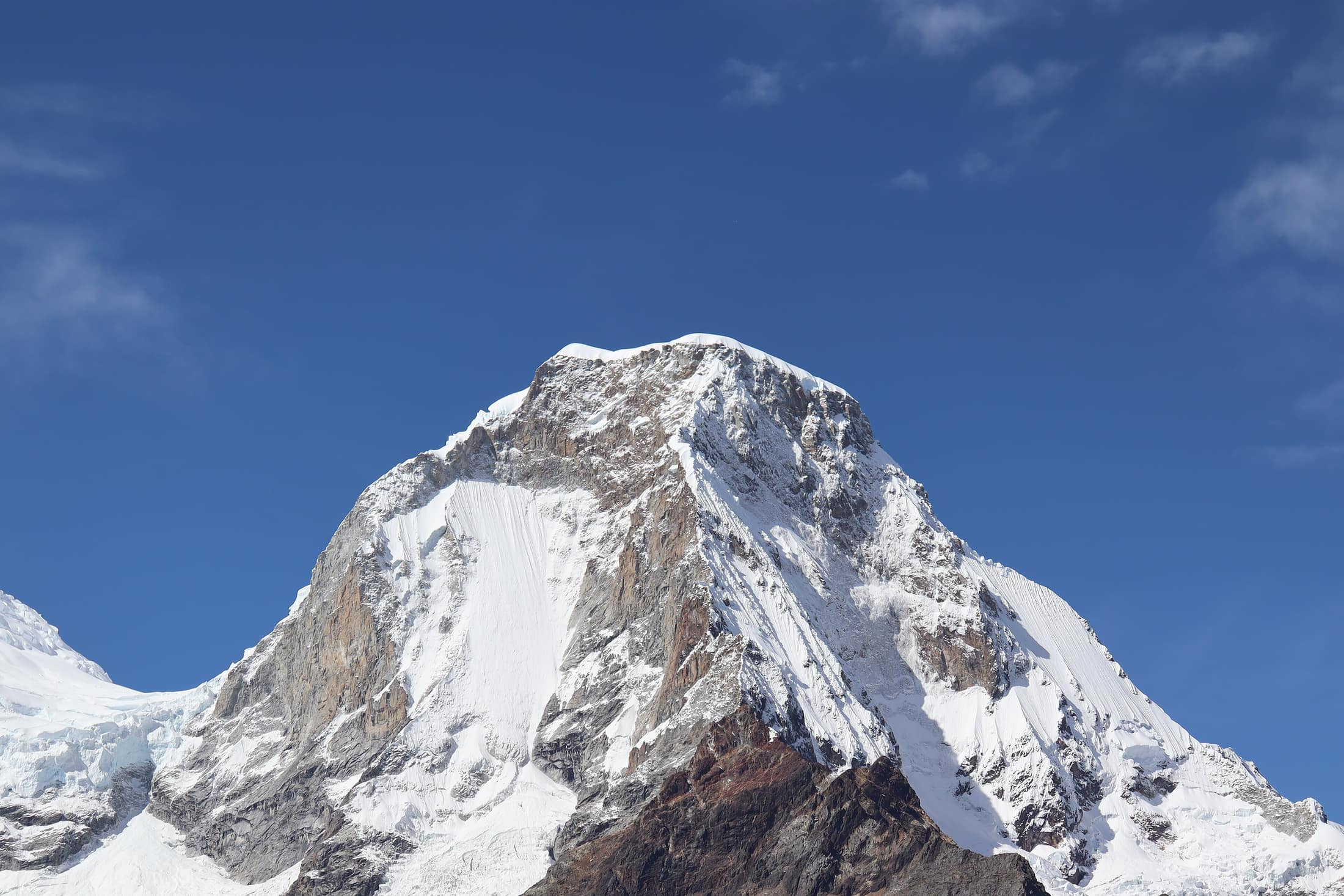
High Andes
Access and permits
The constraints that actually decide whether a date is possible.
- Huascarán National Park charges a multi-day trekking fee per person; the Huayhuash sections additionally require payments to each comunidad campesina whose land the route crosses.
- Huayhuash access is negotiated village by village and can change between seasons. We confirm the exact line four to six weeks out.
Included
- IFMGA- or AGMP-certified lead mountain guide and assistant guide
- Huascarán National Park fees and community access payments
- Muleteers and pack animals; private camp, mess tent, and cook team
- All ground transport from Lima, hotel nights in Huaraz
- Supplementary oxygen, pulse oximeter, satellite communicator, and evacuation coordination
Not included
- International flights
- High-altitude trekking and rescue insurance, which we require in writing before departure
- Personal technical clothing and boots (rental list supplied)
- Any Cusco or Machu Picchu extension, that is a separate itinerary
- Personal insurance, including medical and evacuation cover
What the price reflects
The published band of $8,900–12,500 is per person sharing for the 12-day shape. The band covers a private 12-day programme with a certified lead guide, private camps, and a full pack team. The low end assumes two to four guests and a Blanca-only route; the top of the band reflects a two-guest departure carrying the Huayhuash section and its community fees. What moves a quote inside that picture is party size, season, and the lodge or camp class actually available for your dates. Private by default, your own guide, cook, and pack team, and your own departure date. We also run two or three small-group departures a season, capped at eight guests. On the included side, the band already assumes items such as: IFMGA- or AGMP-certified lead mountain guide and assistant guide; Huascarán National Park fees and community access payments; Muleteers and pack animals; private camp, mess tent, and cook team. Still outside the band unless we write them in: International flights; High-altitude trekking and rescue insurance, which we require in writing before departure; Personal technical clothing and boots (rental list supplied). Nothing is confirmed until it is confirmed in writing.
- Party size
- Per-person cost usually falls as the private team is shared across more guests, up to the format limit implied by the guiding and lodge picture. Private by default, your own guide, cook, and pack team, and your own departure date.
- Season and dates
- Window on the card: May–Sep. Planning note: May through September is the dry season and the only window we run this. June to August is the most settled. October onward brings wet snow onto the passes. Peak dates inside that window tighten lodge and permit availability, which is what usually pushes a quote toward the top of a published band.
- Lodge or camp class
- Accommodation in the band reflects: Muleteers and pack animals; private camp, mess tent, and cook team. Moving up or down a class, or shifting to a scarcer property, changes the quote without changing the route.
- Internal transport
- Transfers and regional legs follow the trip design. Watch for: International flights. Charter or peak-season domestic seats, where they apply, sit outside a simple road transfer.
- Permits and access
- Access cost tracks what the ground already requires. Huascarán National Park fees and community access payments We do not invent fee figures beyond what the catalogue already states.
- Outside the band
- Not assumed unless written in: International flights; High-altitude trekking and rescue insurance, which we require in writing before departure; Personal technical clothing and boots (rental list supplied).
Bands are per person sharing and move with party size, season, and lodge choice. Nothing is confirmed until it is confirmed in writing. How we price.
Where this is
Cordillera Blanca and Cordillera Huayhuash, both in Ancash, staged from Huaraz. This itinerary does not include the Sacred Valley.
Elevation: Huaraz 3,050 m · camps 4,100–4,300 m · passes to ~4,750 m. Season as published: May–Sep. Difficulty as assessed: Challenging.
What we checked
Seasons, altitudes, permits, and caps on this page were checked against park authorities, monitoring agencies, and operators on the ground. Where a fact changes with the year, we say so rather than round it off.
Near this
Same terrain, different week
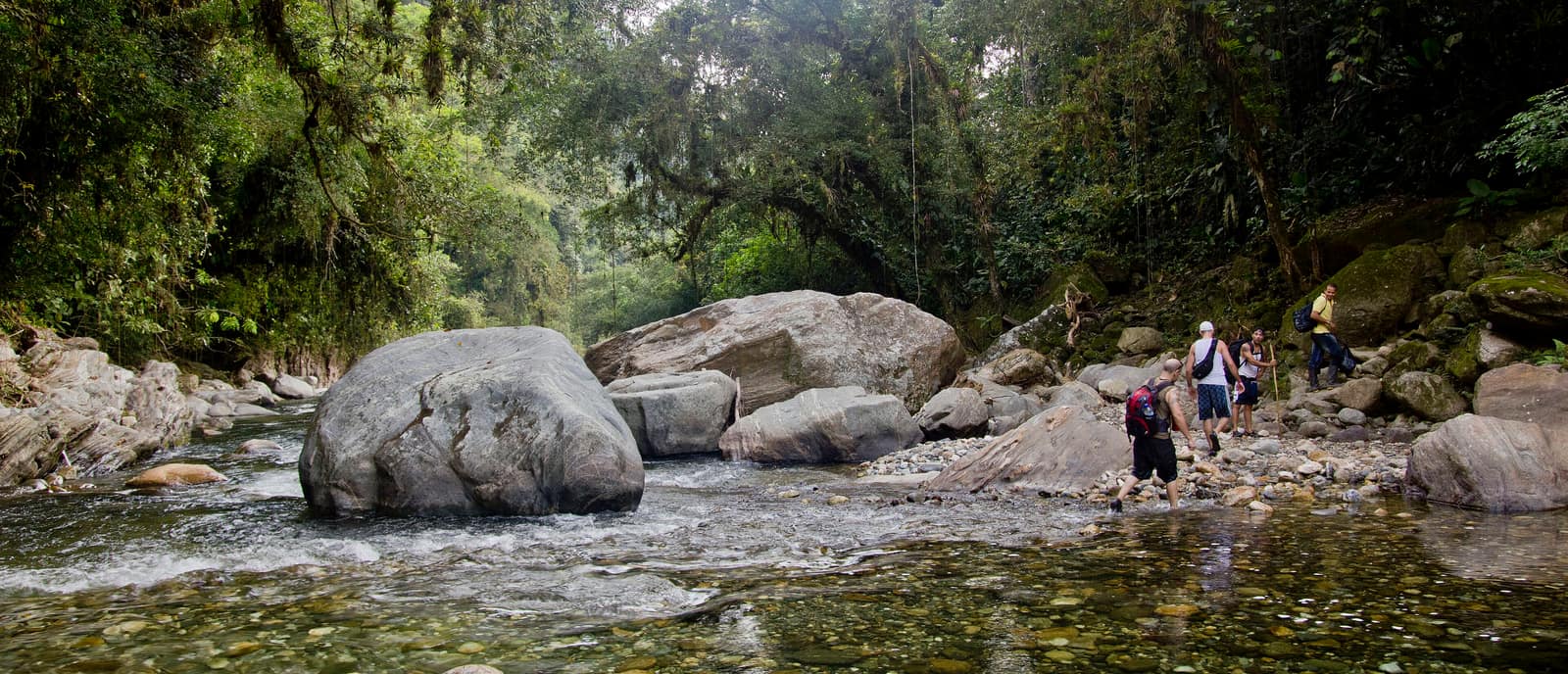
Colombia
Lost City Sierra Ascent
Sierra Nevada de Santa Marta
Multi-day trek to Ciudad Perdida through river crossings and jungle stairs. Stone terraces emerge where the forest breaks.
- Duration
- 7 days
- Effort
- Challenging
- Window
- Dec–Mar
$5,200–$6,800
Detail →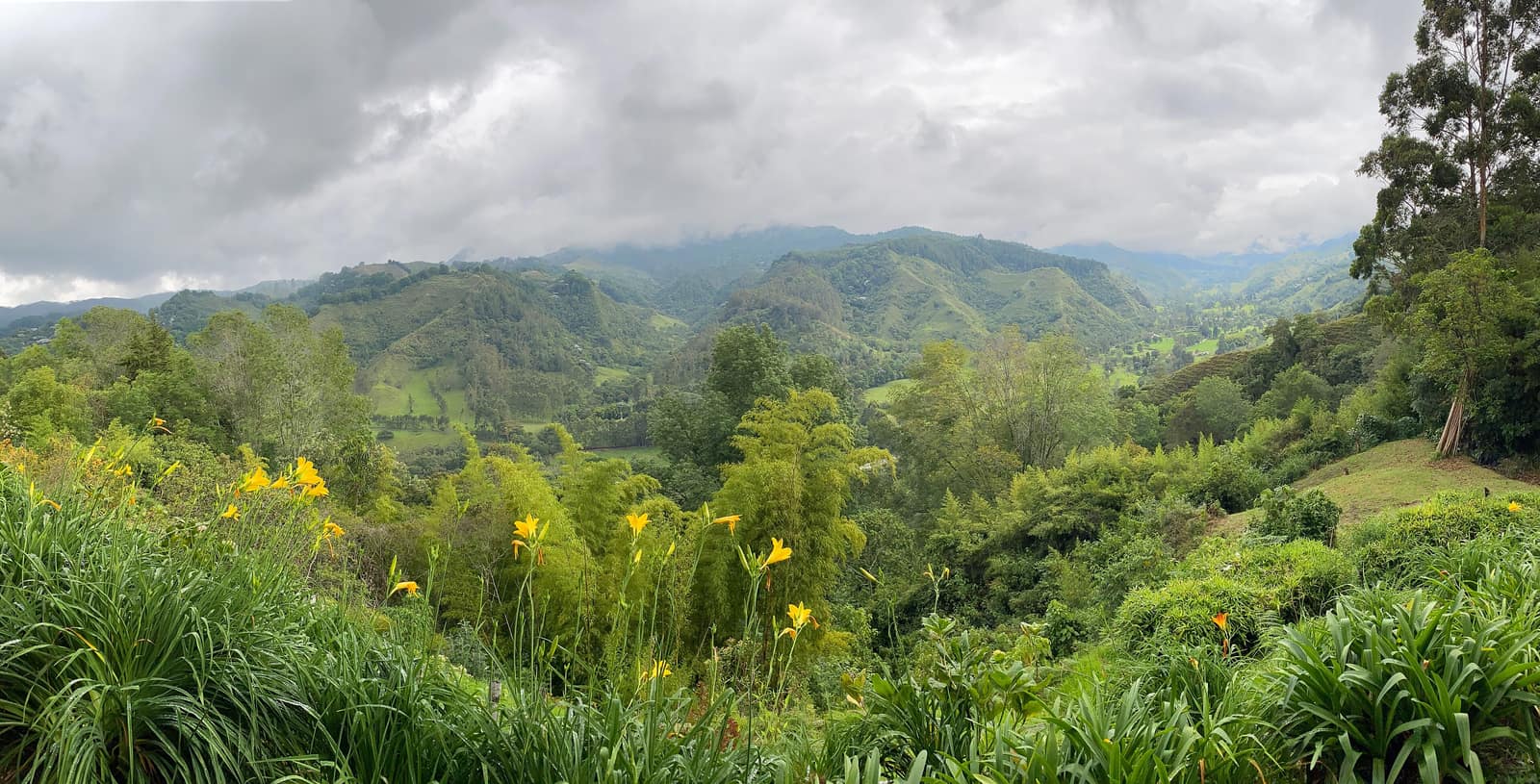
Colombia
Coffee Triangle Highland Circuit
Eje Cafetero & Valle de Cocora (Quindío)
Wax palms rise through cloud in Cocora Valley. Fincas open their drying yards; trails link ridgelines above green valleys.
- Duration
- 8 days
- Effort
- Moderate
- Window
- Year-round
$5,100–$7,800
Detail →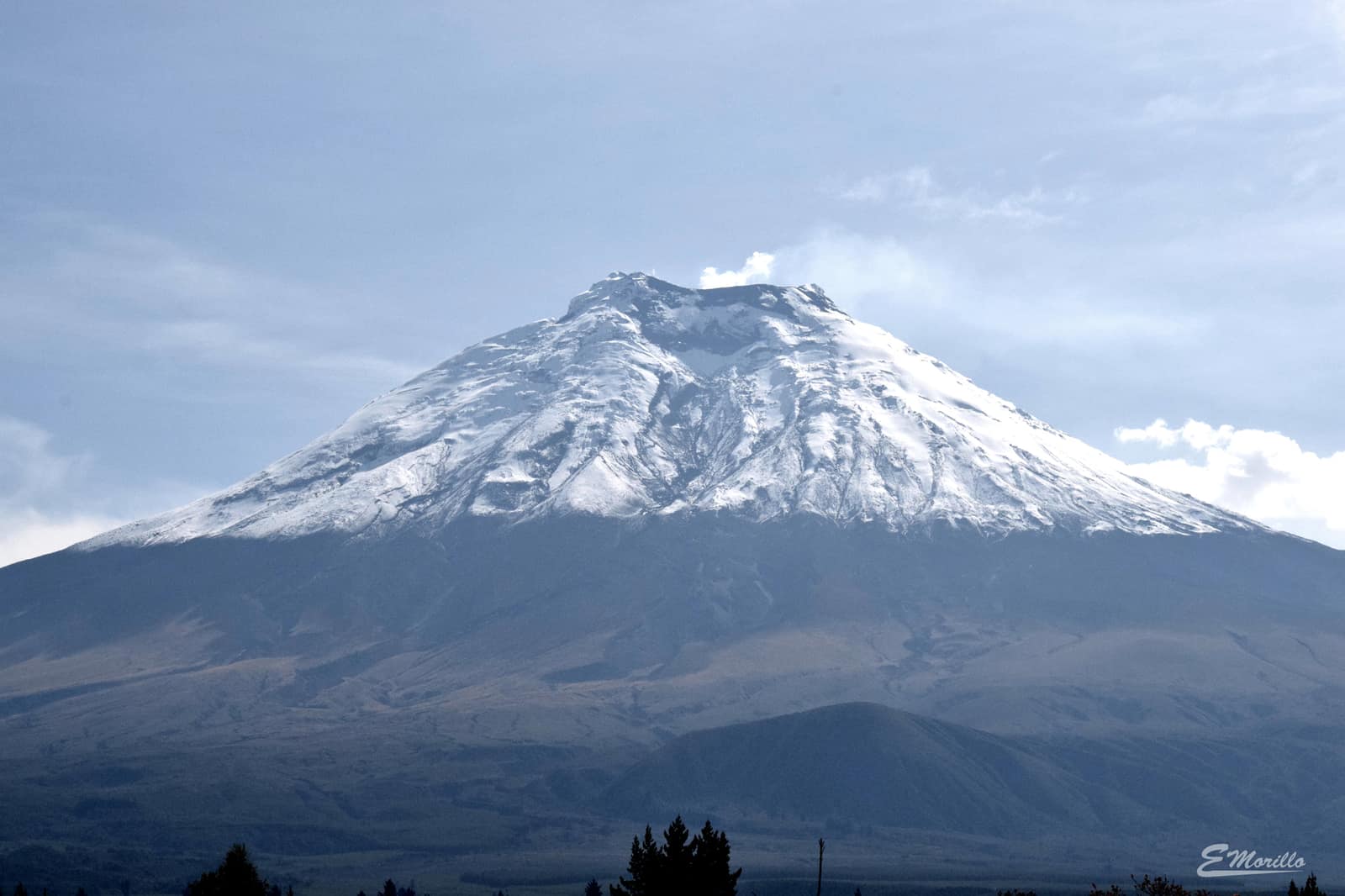
Ecuador
Cotopaxi Avenue Ascent
Avenue of the Volcanoes
Glaciated cones line the high valley; Cotopaxi's summit push starts before midnight. Páramo grasslands hold frost and wild horses.
- Duration
- 9 days
- Effort
- Challenging
- Window
- Jun–Sep & Dec–Jan
$6,200–$9,400
Detail →From the ground
Frames from this route family and country — not a studio set, and not a promise of identical weather.