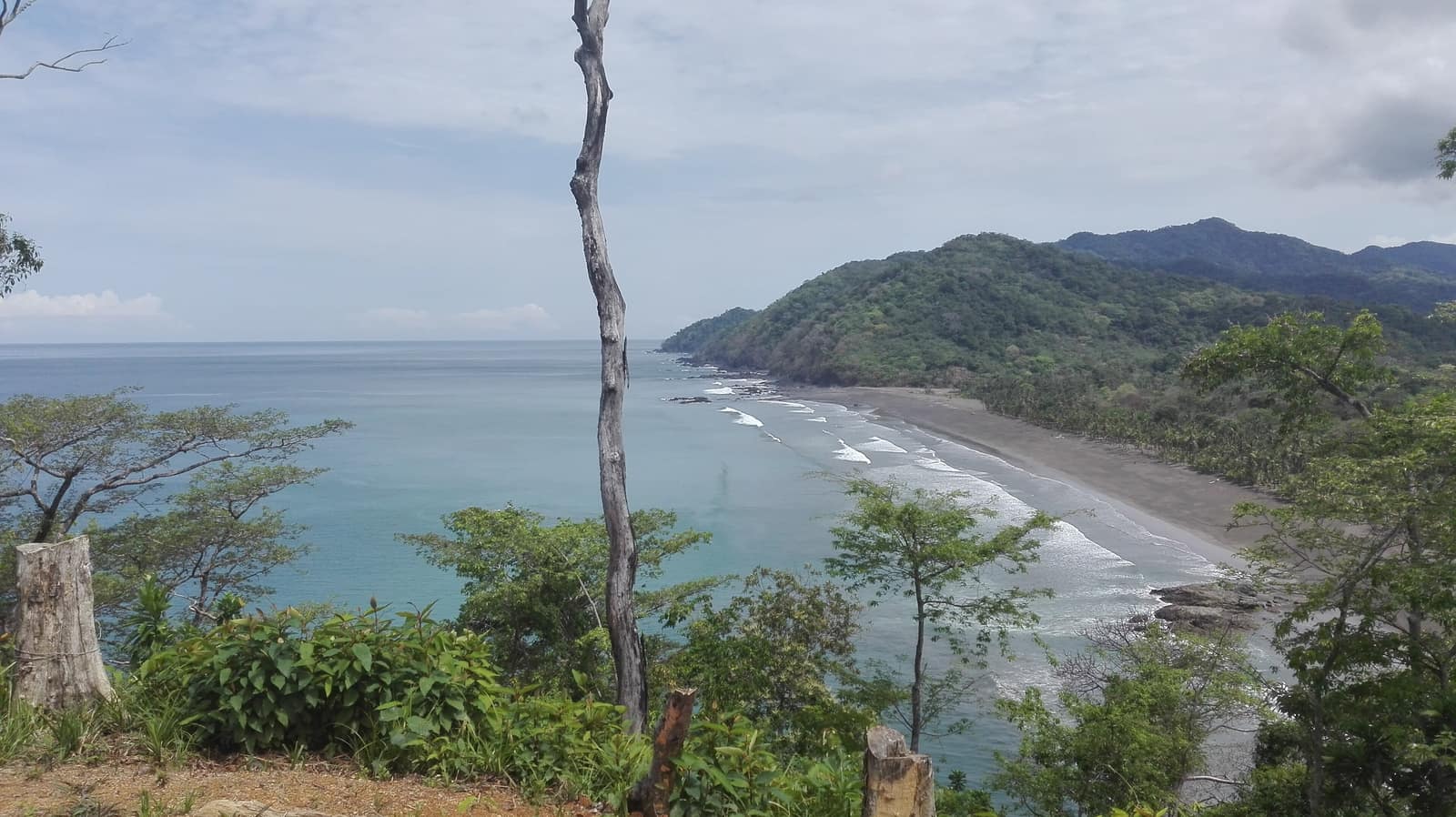
Chiriquí Highland Ascent
Boquete & Volcán Barú
Coffee slopes climb toward Barú's summit ridge. Quetzals nest in oak; on clear mornings both coasts appear from the crater rim.
- Days
- 7
- Effort
- Moderate
- Window
- Dec–Apr
- From
- $5,200
The ground
Volcán Barú is Panama's high point at 3,475 m, and on a genuinely clear morning you can see the Pacific and the Caribbean from the summit. One of very few places on earth where that is possible. The catch is that genuinely clear mornings are not common, and the standard ascent is an overnight slog: roughly 13 km and 1,800 m of gain on a rough vehicle track, walked from around midnight to reach the top for dawn.
Boquete below is coffee country at 1,200 m, and this is where geisha varietals fetch record auction prices. The mills here are worth a proper morning, not a photo stop.
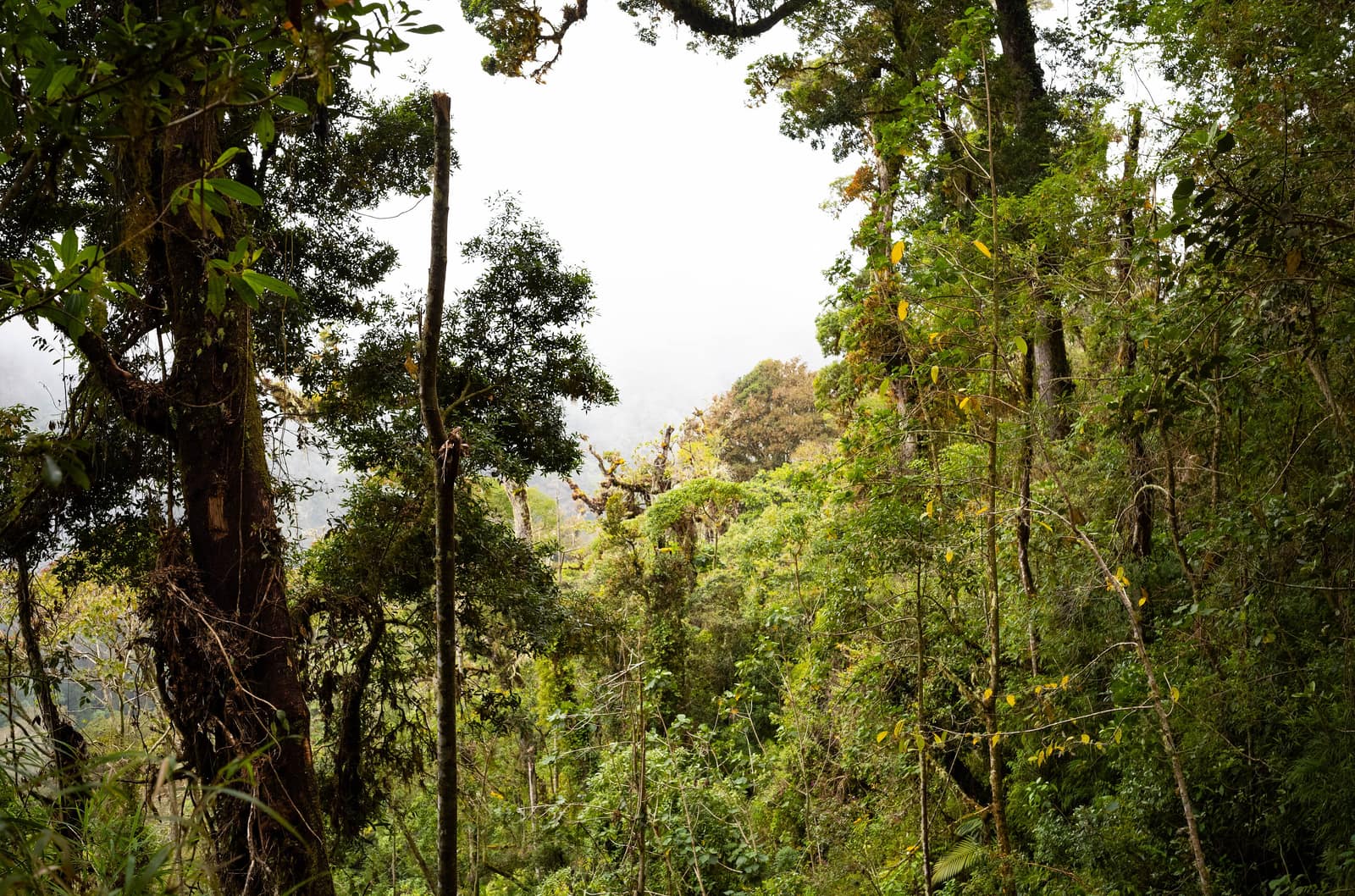
The Quetzal Trail between Boquete and Cerro Punta is the better walking, cloud forest on the flanks of Barú, and the most reliable resplendent quetzal habitat in Panama, especially in the March-to-June breeding season.
Boquete, Volcán Barú, and the Chiriquí highlands, Panama. Working elevation runs Boquete 1,200 m · Volcán Barú 3,475 m. That profile shapes sleep, pace, and how early the group needs to move. The published window: December through April. Quetzal breeding runs roughly March to June, which overlaps the dry window's end. Within that window, day order still flexes with weather and access.
Barú's summit route is a rough 4x4 track, walked rather than driven by most parties. It is cold at the top even in the dry season and the view is genuinely weather-dependent. The Quetzal Trail is usually walked one-way with a vehicle shuttle between Boquete and Cerro Punta; landslides close sections in the wet season. Private guide and vehicle, with a specialist bird guide for the Quetzal Trail. Barú summit is guided one-to-two. This is the operating shape of the trip: private enough to reorder days, constrained enough that permits and local rules still set the ceiling.
Shape of the days
A shape, not a script. Order and pacing move with weather, permits, and how the first days actually go.
Day 1
Boquete: opening
Day 1 sits inside the 1–2 arc titled Boquete. Arrival at 1,200 m, orientation, and a geisha coffee mill morning with the growers. This opening slice sets the logistics and the first read of the ground before the denser days. Arrival and orientation use the published access picture. Barú's summit route is a rough 4x4 track, walked rather than driven by most parties. It is cold at the top even in the dry season and the view is genuinely weather-dependent. Elevation context for the programme: Boquete 1,200 m · Volcán Barú 3,475 m. Sleep and walk length are graded against that, not against a generic fitness brochure. Early days protect the later ones. We do not burn the group on a full-length day before the body has met the altitude, heat, or boat rhythm this route actually uses. Boquete below is coffee country at 1,200 m, and this is where geisha varietals fetch record auction prices. The mills here are worth a proper morning, not a photo stop. Geography stays inside Boquete, Volcán Barú, and the Chiriquí highlands, Panama. Season logic we plan against: December through April. Quetzal breeding runs roughly March to June, which overlaps the dry window's end. Packing still matters here: If you climb Barú, pack for near-freezing wind at 3,475 m on a night start: hat, gloves, hard shell, head torch.
Day 2
Boquete: continuation
Day 2 sits inside the 1–2 arc titled Boquete. Arrival at 1,200 m, orientation, and a geisha coffee mill morning with the growers. This closing slice of the block consolidates what the earlier days opened, without inventing a new sector. Arrival and orientation use the published access picture. The Quetzal Trail is usually walked one-way with a vehicle shuttle between Boquete and Cerro Punta; landslides close sections in the wet season. Elevation context for the programme: Boquete 1,200 m · Volcán Barú 3,475 m. Sleep and walk length are graded against that, not against a generic fitness brochure. Early days protect the later ones. We do not burn the group on a full-length day before the body has met the altitude, heat, or boat rhythm this route actually uses. The mills here are worth a proper morning, not a photo stop. Geography stays inside Boquete, Volcán Barú, and the Chiriquí highlands, Panama. Season logic we plan against: December through April. Quetzal breeding runs roughly March to June, which overlaps the dry window's end. Packing still matters here: If you climb Barú, pack for near-freezing wind at 3,475 m on a night start: hat, gloves, hard shell, head torch.
Day 3
Quetzal Trail and cloud forest: opening
Day 3 sits inside the 3–4 arc titled Quetzal Trail and cloud forest. The Sendero Los Quetzales with a bird guide, plus the Caldera hot springs or the Pipeline Trail for a second birding morning. This opening slice sets the logistics and the first read of the ground before the denser days. Field days stay inside the ground already described for Panama. The Quetzal Trail between Boquete and Cerro Punta is the better walking, cloud forest on the flanks of Barú, and the most reliable resplendent quetzal habitat in Panama, especially in the March-to-June breeding season. Barú's summit route is a rough 4x4 track, walked rather than driven by most parties. It is cold at the top even in the dry season and the view is genuinely weather-dependent. Private guide and vehicle, with a specialist bird guide for the Quetzal Trail. Expect a full field day measured in hours on foot, on the water, or in transit between sectors already named above. Private guiding means we can shorten or reorder, not that the underlying constraints disappear. Volcán Barú is Panama's high point at 3,475 m, and on a genuinely clear morning you can see the Pacific and the Caribbean from the summit. One of very few places on earth where that is possible. The catch is that genuinely clear mornings are not common, and the standard ascent is an overnight slog: roughly 13 km and 1,800 m of gain on a rough vehicle track, walked from around midnight to reach the top for dawn. Geography stays inside Boquete, Volcán Barú, and the Chiriquí highlands, Panama. Season logic we plan against: December through April. Quetzal breeding.
Day 4
Quetzal Trail and cloud forest: continuation
Day 4 sits inside the 3–4 arc titled Quetzal Trail and cloud forest. The Sendero Los Quetzales with a bird guide, plus the Caldera hot springs or the Pipeline Trail for a second birding morning. This closing slice of the block consolidates what the earlier days opened, without inventing a new sector. Field days stay inside the ground already described for Panama. Volcán Barú is Panama's high point at 3,475 m, and on a genuinely clear morning you can see the Pacific and the Caribbean from the summit. The Quetzal Trail is usually walked one-way with a vehicle shuttle between Boquete and Cerro Punta; landslides close sections in the wet season. Private guide and vehicle, with a specialist bird guide for the Quetzal Trail. Expect a full field day measured in hours on foot, on the water, or in transit between sectors already named above. Private guiding means we can shorten or reorder, not that the underlying constraints disappear. One of very few places on earth where that is possible. The catch is that genuinely clear mornings are not common, and the standard ascent is an overnight slog: roughly 13 km and 1,800 m of gain on a rough vehicle track, walked from around midnight to reach the top for dawn. Geography stays inside Boquete, Volcán Barú, and the Chiriquí highlands, Panama. Season logic we plan against: December through April. Quetzal breeding runs roughly March to June, which overlaps the dry window's end. For kit on these days: If you climb Barú, pack for near-freezing wind at 3,475 m on a night start: hat, gloves, hard shell, head torch.
Day 5
Barú, optional
Day 5 sits inside the 5 arc titled Barú, optional. The midnight-to-dawn summit push for those who want it, 1,800 m of gain on rough track, or a lower flanks day and a long breakfast for those who do not. The day order inside this block can shift when weather or access forces a rewrite. This is the denser stretch. Barú's summit route is a rough 4x4 track, walked rather than driven by most parties. It is cold at the top even in the dry season and the view is genuinely weather-dependent. Fitness for the block: Moderate for the coffee and cloud-forest days. Conditions: Boquete is spring-like at 15–25 °C with the bajareque. Expect a full field day measured in hours on foot, on the water, or in transit between sectors already named above. Private guiding means we can shorten or reorder, not that the underlying constraints disappear. The Quetzal Trail between Boquete and Cerro Punta is the better walking, cloud forest on the flanks of Barú, and the most reliable resplendent quetzal habitat in Panama, especially in the March-to-June breeding season. Geography stays inside Boquete, Volcán Barú, and the Chiriquí highlands, Panama. Season logic we plan against: December through April. Quetzal breeding runs roughly March to June, which overlaps the dry window's end. For kit on these days: If you climb Barú, pack for near-freezing wind at 3,475 m on a night start: hat, gloves, hard shell, head torch.
Days 6–7
Highlands and exit
Days 6–7 continue the Highlands and exit block. Cerro Punta and the Volcán lakes, then transfer to David for onward travel. The day order inside this block can shift when weather or access forces a rewrite. Exit logistics follow the same transfer pattern already built into the programme. Barú's summit route is a rough 4x4 track, walked rather than driven by most parties. It is cold at the top even in the dry season and the view is genuinely weather-dependent. International connections should leave buffer after the last field day; late-evening flights only when the ground day is genuinely short. The last day is deliberately lighter where the catalogue allows it, so extraction does not collide with a hard physical ask. Volcán Barú is Panama's high point at 3,475 m, and on a genuinely clear morning you can see the Pacific and the Caribbean from the summit. One of very few places on earth where that is possible. The catch is that genuinely clear mornings are not common, and the standard ascent is an overnight slog: roughly 13 km and 1,800 m of gain on a rough vehicle track, walked from around midnight to reach the top for dawn. Geography stays inside Boquete, Volcán Barú, and the Chiriquí highlands, Panama. Season logic we plan against: December through April. Quetzal breeding runs roughly March to June, which overlaps the dry window's end. Packing still matters here: If you climb Barú, pack for near-freezing wind at 3,475 m on a night start: hat, gloves, hard shell, head torch.
Conditions
Boquete is spring-like at 15–25 °C with the bajareque. A fine wind-driven drizzle that produces near-daily rainbows. The Barú summit can be near freezing with strong wind. December to April is the drier window.
Fitness bar
Moderate for the coffee and cloud-forest days. The Barú summit is Challenging: a night start, 1,800 m of gain, loose track, cold and wind at the top, and roughly 11 to 13 hours round trip.
Best months
December through April. Quetzal breeding runs roughly March to June, which overlaps the dry window's end.
Private or small group
Private guide and vehicle, with a specialist bird guide for the Quetzal Trail. Barú summit is guided one-to-two.
What to bring
If you climb Barú, pack for near-freezing wind at 3,475 m on a night start: hat, gloves, hard shell, head torch. Boquete itself is spring-like but the bajareque drizzle is constant, so a light shell earns its place either way.
Mesoamerica
Access and permits
The constraints that actually decide whether a date is possible.
- Barú's summit route is a rough 4x4 track, walked rather than driven by most parties. It is cold at the top even in the dry season and the view is genuinely weather-dependent.
- The Quetzal Trail is usually walked one-way with a vehicle shuttle between Boquete and Cerro Punta; landslides close sections in the wet season.
Included
- Park entries and Quetzal Trail access
- Private guide, specialist bird guide, and vehicle
- Boquete lodging and all transfers
- Coffee mill visits and cupping with growers
- Daily field briefings with the lead guide before departure
Not included
- Any guarantee of the two-ocean summit view
- Guaranteed quetzal sightings
- International flights
- Personal insurance, including medical and evacuation cover
- Tips for guides and lodge staff, which remain optional and separate
What the price reflects
$5,200–7,800 for seven days covers private guiding, a specialist bird guide, vehicle support on both ends of the Quetzal Trail, and grower-level coffee access. What moves a quote inside that picture is party size, season, and the lodge or camp class actually available for your dates. Private guide and vehicle, with a specialist bird guide for the Quetzal Trail. Barú summit is guided one-to-two. On the included side, the band already assumes items such as: Park entries and Quetzal Trail access; Private guide, specialist bird guide, and vehicle; Boquete lodging and all transfers. Still outside the band unless we write them in: Any guarantee of the two-ocean summit view; Guaranteed quetzal sightings; International flights. Nothing is confirmed until it is confirmed in writing.
- Party size
- Per-person cost usually falls as the private team is shared across more guests, up to the format limit implied by the guiding and lodge picture. Private guide and vehicle, with a specialist bird guide for the Quetzal Trail.
- Season and dates
- Window on the card: Dec–Apr. Planning note: December through April. Quetzal breeding runs roughly March to June, which overlaps the dry window's end. Peak dates inside that window tighten lodge and permit availability, which is what usually pushes a quote toward the top of a published band.
- Lodge or camp class
- Where you sleep (lodge, tented camp, or station) is one of the largest levers once guiding is fixed. We price the class we can actually hold for your dates.
- Internal transport
- Transfers and regional legs follow the trip design. Watch for: International flights. Charter or peak-season domestic seats, where they apply, sit outside a simple road transfer.
- Permits and access
- Access cost tracks what the ground already requires. Park entries and Quetzal Trail access We do not invent fee figures beyond what the catalogue already states.
- Outside the band
- Not assumed unless written in: Any guarantee of the two-ocean summit view; Guaranteed quetzal sightings; International flights.
Bands are per person sharing and move with party size, season, and lodge choice. Nothing is confirmed until it is confirmed in writing. How we price.
Where this is
Boquete, Volcán Barú, and the Chiriquí highlands, Panama.
Elevation: Boquete 1,200 m · Volcán Barú 3,475 m. Season as published: Dec–Apr. Difficulty as assessed: Moderate (Challenging if Volcán Barú summit night hike).
What we checked
Seasons, altitudes, permits, and caps on this page were checked against park authorities, monitoring agencies, and operators on the ground. Where a fact changes with the year, we say so rather than round it off.
Near this
Same terrain, different week
Mexico
Yucatán Cenote Coast
Riviera Maya & Puuc (Yucatán / Quintana Roo)
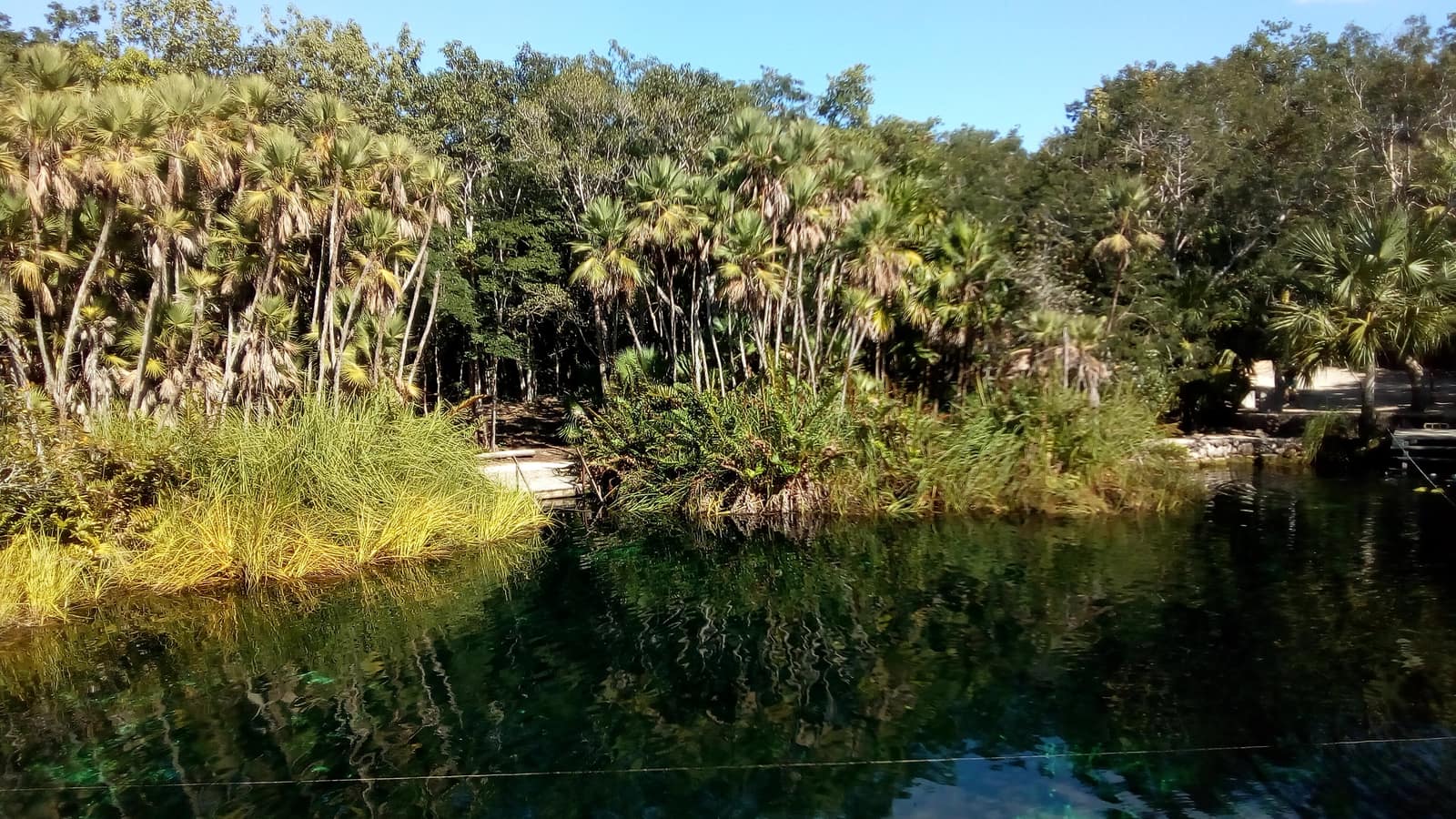
Cool limestone pools open beneath jungle canopy; light shafts cut the water like columns. Evenings move from reef swim to limestone ruins warm with stone.
- Duration
- 8 days
- Effort
- Easy
- Window
- Nov–Apr
$5,200–$7,800
Detail →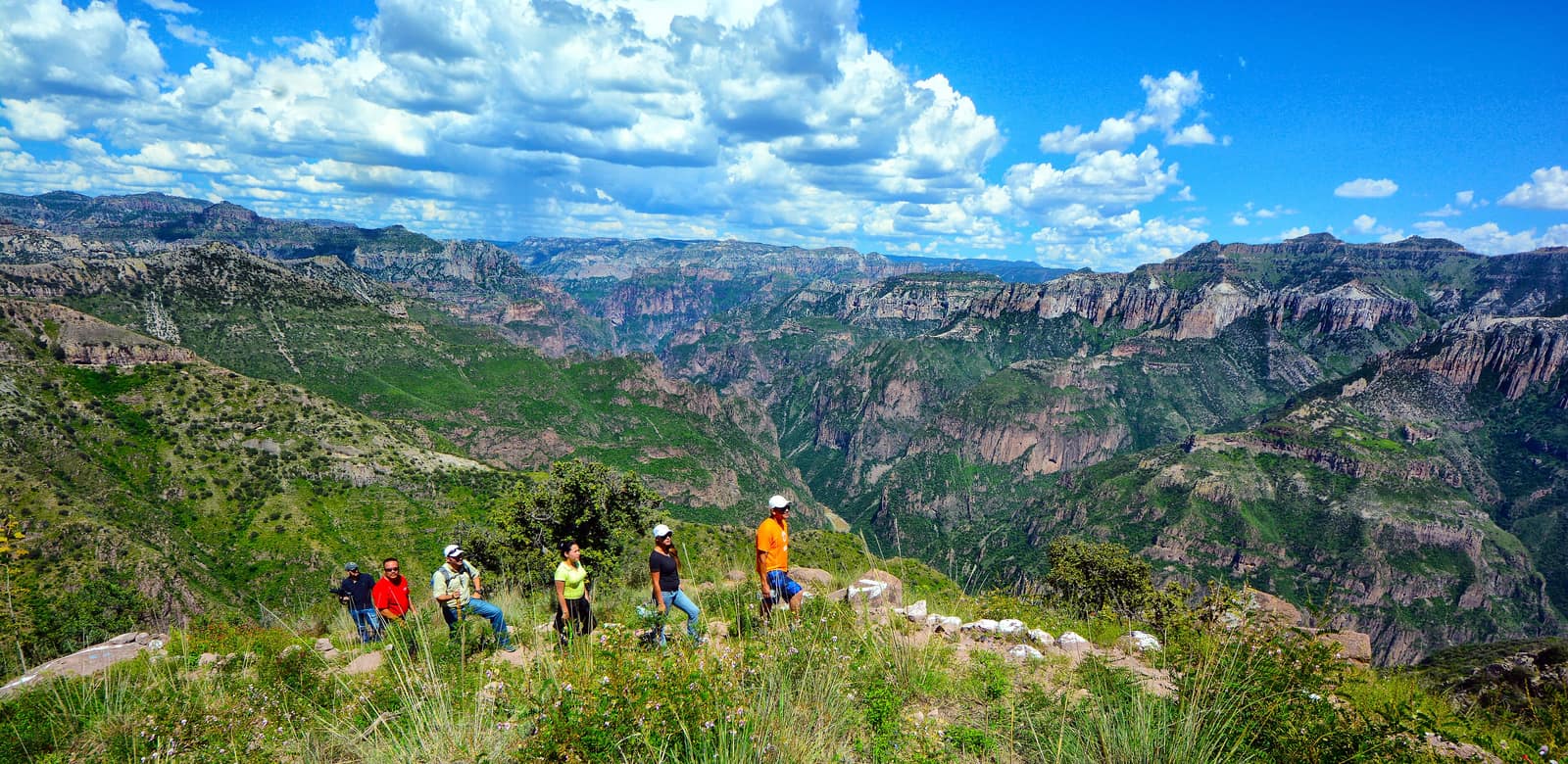
Mexico
Copper Canyon Traverse
Sierra Tarahumara / Barrancas del Cobre (Chihuahua)
Several gorges here run deeper than the Grand Canyon, folded into pine and cliff. Footpaths follow Rarámuri routes where the rim drops away without warning.
- Duration
- 10 days
- Effort
- Challenging
- Window
- Oct–Apr
$6,500–$9,200
Detail →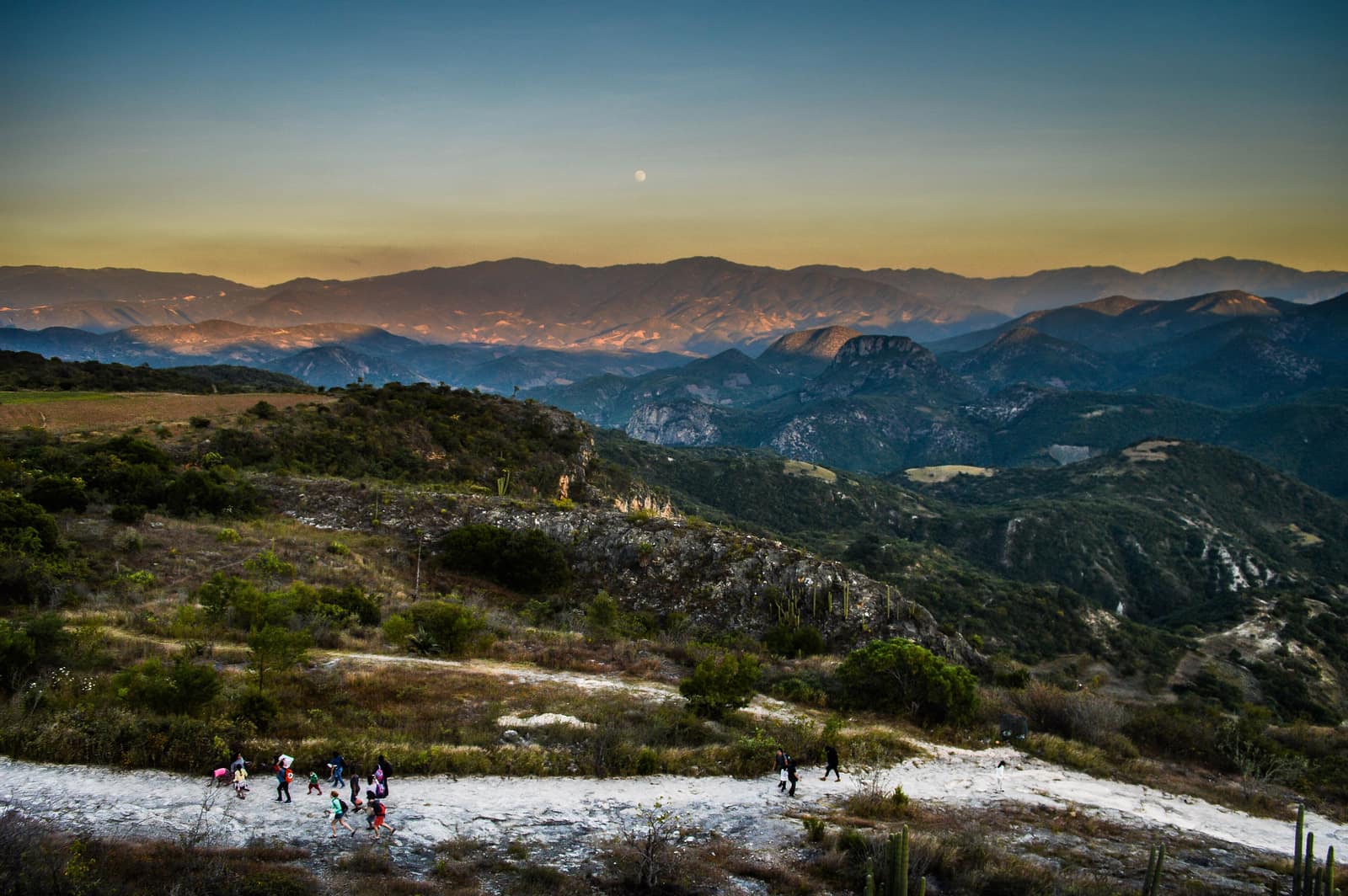
Mexico
Oaxaca Highland Ascent
Sierra Norte & Central Valleys
Cloud forest trails link Zapotec villages where smoke from cooking fires rises at dusk. Ridges open onto valleys quilted with maize and agave.
- Duration
- 8 days
- Effort
- Moderate
- Window
- Oct–Mar
$4,800–$7,200
Detail →From the ground
Frames from this route family and country — not a studio set, and not a promise of identical weather.