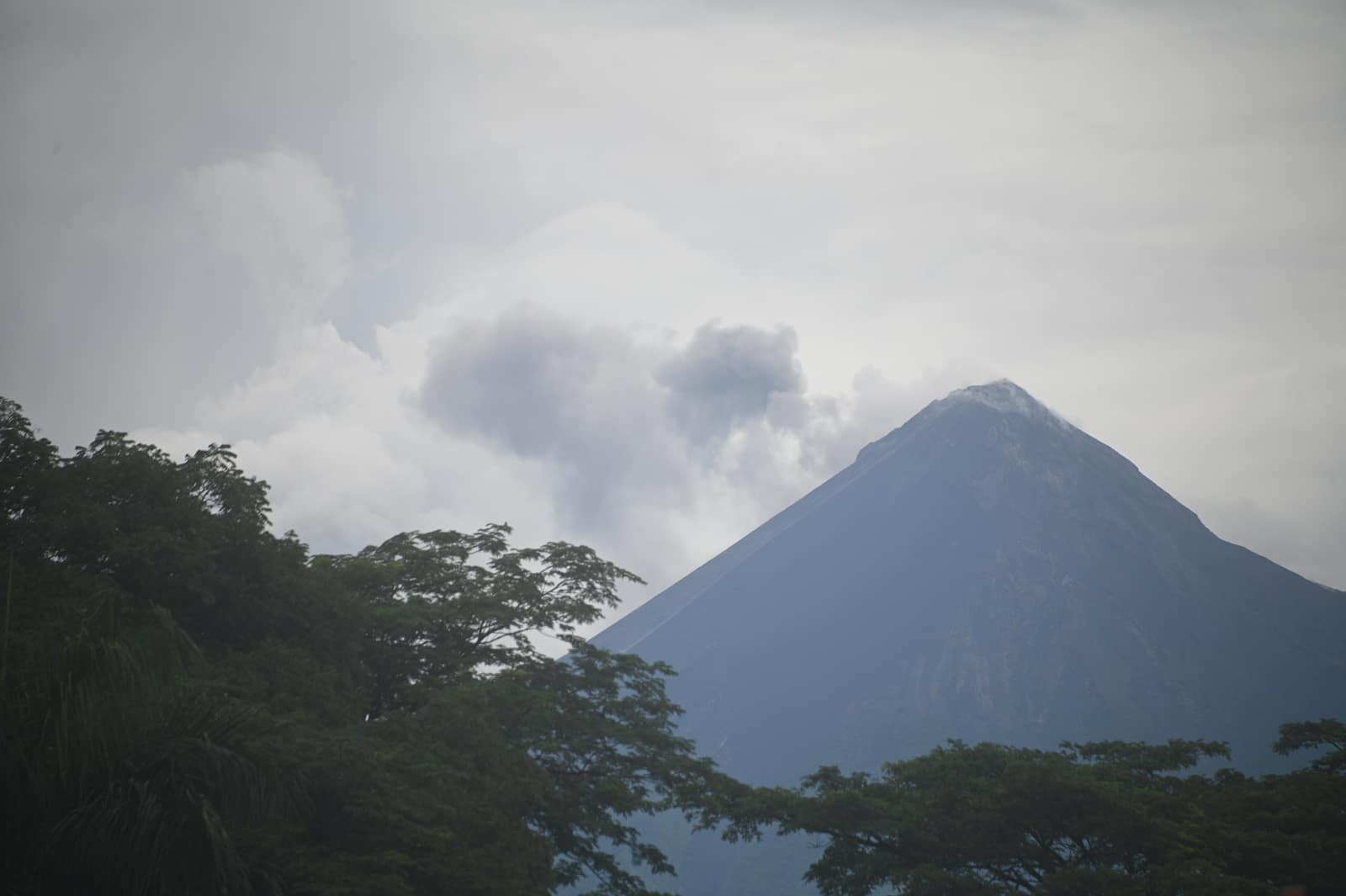
Antigua Volcano Circuit
Antigua & Western Highlands
Ash underfoot on Acatenango as Fuego throws orange into the night. Dawn reveals a ring of cones above coffee slopes and colonial rooftops.
- Days
- 9
- Effort
- Challenging
- Window
- Nov–Apr
- From
- $5,500
The ground
Acatenango tops out at 3,976 m and its whole reason for existing as a trek is what sits across the saddle: Volcán de Fuego, one of the most consistently active volcanoes in the Americas, throwing ash and incandescent material on a cycle you can time with a watch. From a 3,600 m camp you are looking down on it.
The climb itself is unglamorous, about 1,500 m of gain in five to seven hours through farmland, then cloud forest, then loose volcanic scree above the treeline that takes back a third of every step. The camp is cold, often below 5 °C, sometimes at freezing, and frequently inside cloud until it clears after dark.
Antigua sits below it all at 1,530 m under three volcanoes, and the colonial grid and coffee slopes are the recovery half of the trip rather than filler.
Acatenango and Volcán de Fuego, above Antigua Guatemala, Sacatepéquez. Working elevation runs Antigua 1,530 m · Acatenango camp 3,600 m · summit 3,976 m. That profile shapes sleep, pace, and how early the group needs to move. The published window: November through April. December to February are coldest at camp but clearest for Fuego. Within that window, day order still flexes with weather and access.
Fuego's activity level is monitored by CONRED and INSIVUMEH. Access to the closer ridge is restricted on elevated activity and we follow that without negotiation. The mass-market overnight version of this hike sells for around $100 with shared tents and no porters. It is the same mountain and a very different night. Private with licensed volcano guides and porters, premium camp equipment. Small-group departures capped at eight. This is the operating shape of the trip: private enough to reorder days, constrained enough that permits and local rules still set the ceiling.
Shape of the days
A shape, not a script. Order and pacing move with weather, permits, and how the first days actually go.
Day 1
Antigua: opening
Day 1 sits inside the 1–2 arc titled Antigua. Acclimatisation at 1,530 m, the city on foot, and a working coffee finca on the Agua slopes. This opening slice sets the logistics and the first read of the ground before the denser days. Arrival and orientation use the published access picture. Fuego's activity level is monitored by CONRED and INSIVUMEH. Access to the closer ridge is restricted on elevated activity and we follow that without negotiation. Elevation context for the programme: Antigua 1,530 m · Acatenango camp 3,600 m · summit 3,976 m. Sleep and walk length are graded against that, not against a generic fitness brochure. Early days protect the later ones. We do not burn the group on a full-length day before the body has met the altitude, heat, or boat rhythm this route actually uses. The climb itself is unglamorous, about 1,500 m of gain in five to seven hours through farmland, then cloud forest, then loose volcanic scree above the treeline that takes back a third of every step. The camp is cold, often below 5 °C, sometimes at freezing, and frequently inside cloud until it clears after dark. Geography stays inside Acatenango and Volcán de Fuego, above Antigua Guatemala, Sacatepéquez. Season logic we plan against: November through April. December to February are coldest at camp but clearest for Fuego. Packing still matters here: This is the cold one.
Day 2
Antigua: continuation
Day 2 sits inside the 1–2 arc titled Antigua. Acclimatisation at 1,530 m, the city on foot, and a working coffee finca on the Agua slopes. This closing slice of the block consolidates what the earlier days opened, without inventing a new sector. Arrival and orientation use the published access picture. The mass-market overnight version of this hike sells for around $100 with shared tents and no porters. It is the same mountain and a very different night. Elevation context for the programme: Antigua 1,530 m · Acatenango camp 3,600 m · summit 3,976 m. Sleep and walk length are graded against that, not against a generic fitness brochure. Early days protect the later ones. We do not burn the group on a full-length day before the body has met the altitude, heat, or boat rhythm this route actually uses. The camp is cold, often below 5 °C, sometimes at freezing, and frequently inside cloud until it clears after dark. Geography stays inside Acatenango and Volcán de Fuego, above Antigua Guatemala, Sacatepéquez. Season logic we plan against: November through April. December to February are coldest at camp but clearest for Fuego. Packing still matters here: This is the cold one.
Day 3
Acatenango overnight: opening
Day 3 sits inside the 3–4 arc titled Acatenango overnight. Ascent to a 3,600 m camp with porter support, sunset and night watching Fuego, dawn summit push to 3,976 m, and the descent. This opening slice sets the logistics and the first read of the ground before the denser days. This is the denser stretch. Fuego's activity level is monitored by CONRED and INSIVUMEH. Access to the closer ridge is restricted on elevated activity and we follow that without negotiation. Fitness for the block: Challenging. Roughly 1,500 m of ascent to 3,976 m over loose ground, at altitude, with a cold night in between. Conditions: Antigua is mild year-round at 20–26 °C. Expect a full field day measured in hours on foot, on the water, or in transit between sectors already named above. Private guiding means we can shorten or reorder, not that the underlying constraints disappear. Acatenango tops out at 3,976 m and its whole reason for existing as a trek is what sits across the saddle: Volcán de Fuego, one of the most consistently active volcanoes in the Americas, throwing ash and incandescent material on a cycle you can time with a watch. From a 3,600 m camp you are looking down on it. Geography stays inside Acatenango and Volcán de Fuego, above Antigua Guatemala, Sacatepéquez. Season logic we plan against: November through April. December to February are coldest at camp but clearest for Fuego. For kit on these days: This is the cold one.
Day 4
Acatenango overnight: continuation
Day 4 sits inside the 3–4 arc titled Acatenango overnight. Ascent to a 3,600 m camp with porter support, sunset and night watching Fuego, dawn summit push to 3,976 m, and the descent. This closing slice of the block consolidates what the earlier days opened, without inventing a new sector. This is the denser stretch. The mass-market overnight version of this hike sells for around $100 with shared tents and no porters. It is the same mountain and a very different night. Fitness for the block: Challenging. Roughly 1,500 m of ascent to 3,976 m over loose ground, at altitude, with a cold night in between. Conditions: Antigua is mild year-round at 20–26 °C. Expect a full field day measured in hours on foot, on the water, or in transit between sectors already named above. Private guiding means we can shorten or reorder, not that the underlying constraints disappear. From a 3,600 m camp you are looking down on it. Geography stays inside Acatenango and Volcán de Fuego, above Antigua Guatemala, Sacatepéquez. Season logic we plan against: November through April. December to February are coldest at camp but clearest for Fuego. For kit on these days: This is the cold one.
Day 5
Second volcano: opening
Day 5 sits inside the 5–6 arc titled Second volcano. Pacaya's lava fields, or Agua from Santa María de Jesús, depending on conditions and how the first climb went. This opening slice sets the logistics and the first read of the ground before the denser days. Field days stay inside the ground already described for Guatemala. The climb itself is unglamorous, about 1,500 m of gain in five to seven hours through farmland, then cloud forest, then loose volcanic scree above the treeline that takes back a third of every step. Fuego's activity level is monitored by CONRED and INSIVUMEH. Access to the closer ridge is restricted on elevated activity and we follow that without negotiation. Private with licensed volcano guides and porters, premium camp equipment. Expect a full field day measured in hours on foot, on the water, or in transit between sectors already named above. Private guiding means we can shorten or reorder, not that the underlying constraints disappear. Antigua sits below it all at 1,530 m under three volcanoes, and the colonial grid and coffee slopes are the recovery half of the trip rather than filler. Geography stays inside Acatenango and Volcán de Fuego, above Antigua Guatemala, Sacatepéquez. Season logic we plan against: November through April. December to February are coldest at camp but clearest for Fuego. For kit on these days: This is the cold one.
Day 6
Second volcano: continuation
Day 6 sits inside the 5–6 arc titled Second volcano. Pacaya's lava fields, or Agua from Santa María de Jesús, depending on conditions and how the first climb went. This closing slice of the block consolidates what the earlier days opened, without inventing a new sector. Field days stay inside the ground already described for Guatemala. Antigua sits below it all at 1,530 m under three volcanoes, and the colonial grid and coffee slopes are the recovery half of the trip rather than filler. The mass-market overnight version of this hike sells for around $100 with shared tents and no porters. It is the same mountain and a very different night. Private with licensed volcano guides and porters, premium camp equipment. Expect a full field day measured in hours on foot, on the water, or in transit between sectors already named above. Private guiding means we can shorten or reorder, not that the underlying constraints disappear. Acatenango tops out at 3,976 m and its whole reason for existing as a trek is what sits across the saddle: Volcán de Fuego, one of the most consistently active volcanoes in the Americas, throwing ash and incandescent material on a cycle you can time with a watch. From a 3,600 m camp you are looking down on it. Geography stays inside Acatenango and Volcán de Fuego, above Antigua Guatemala, Sacatepéquez. Season logic we plan against: November through April. December to February are coldest at camp but clearest for Fuego. For kit on these days: This is the cold one.
Days 7–8
Highlands and exit: opening
Days 7–8 continue the Highlands and exit block. Coffee country, the Chichicastenango market if it falls right, and an optional link to Lake Atitlán before exit via Guatemala City. This opening slice sets the logistics and the first read of the ground before the denser days. Exit logistics follow the same transfer pattern already built into the programme. The mass-market overnight version of this hike sells for around $100 with shared tents and no porters. It is the same mountain and a very different night. International connections should leave buffer after the last field day; late-evening flights only when the ground day is genuinely short. The last day is deliberately lighter where the catalogue allows it, so extraction does not collide with a hard physical ask. The climb itself is unglamorous, about 1,500 m of gain in five to seven hours through farmland, then cloud forest, then loose volcanic scree above the treeline that takes back a third of every step. The camp is cold, often below 5 °C, sometimes at freezing, and frequently inside cloud until it clears after dark. Geography stays inside Acatenango and Volcán de Fuego, above Antigua Guatemala, Sacatepéquez. Season logic we plan against: November through April. December to February are coldest at camp but clearest for Fuego. Packing still matters here: This is the cold one.
Day 9
Highlands and exit: continuation
Day 9 sits inside the 7–9 arc titled Highlands and exit. Coffee country, the Chichicastenango market if it falls right, and an optional link to Lake Atitlán before exit via Guatemala City. This closing slice of the block consolidates what the earlier days opened, without inventing a new sector. Exit logistics follow the same transfer pattern already built into the programme. Fuego's activity level is monitored by CONRED and INSIVUMEH. Access to the closer ridge is restricted on elevated activity and we follow that without negotiation. International connections should leave buffer after the last field day; late-evening flights only when the ground day is genuinely short. The last day is deliberately lighter where the catalogue allows it, so extraction does not collide with a hard physical ask. The camp is cold, often below 5 °C, sometimes at freezing, and frequently inside cloud until it clears after dark. Geography stays inside Acatenango and Volcán de Fuego, above Antigua Guatemala, Sacatepéquez. Season logic we plan against: November through April. December to February are coldest at camp but clearest for Fuego. Packing still matters here: This is the cold one.
Conditions
Antigua is mild year-round at 20–26 °C. The Acatenango camp is the crux: 0–8 °C at night with wind, and windchill well below that. November to April is dry; the rest of the year the scree turns to a slurry and views close in.
Fitness bar
Challenging. Roughly 1,500 m of ascent to 3,976 m over loose ground, at altitude, with a cold night in between. Being fit at sea level is not the same as being comfortable here, and we are direct about that.
Best months
November through April. December to February are coldest at camp but clearest for Fuego.
Private or small group
Private with licensed volcano guides and porters, premium camp equipment. Small-group departures capped at eight.
What to bring
This is the cold one. Bring or borrow a bag rated well below freezing, a hat, gloves, and a windproof layer for a 3,600 m camp that sits near zero with windchill past it. Boots with grip for volcanic scree, which takes back a third of every step. Four-season camp equipment is supplied.
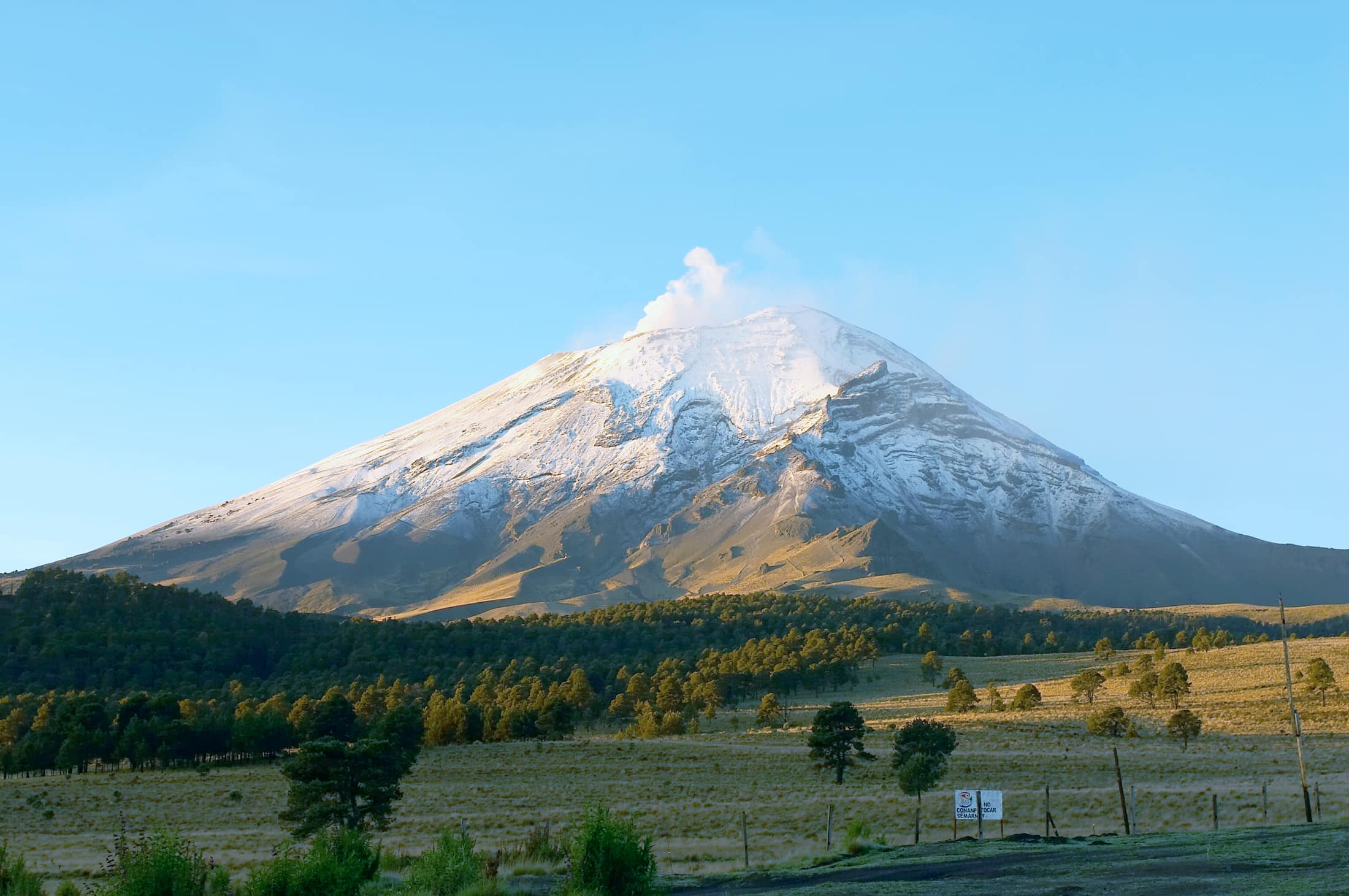
Mesoamerica
Access and permits
The constraints that actually decide whether a date is possible.
- Fuego's activity level is monitored by CONRED and INSIVUMEH. Access to the closer ridge is restricted on elevated activity and we follow that without negotiation.
- The mass-market overnight version of this hike sells for around $100 with shared tents and no porters. It is the same mountain and a very different night.
Included
- Licensed volcano guides and porters
- Premium four-season camping equipment, sleeping bags rated for the altitude, and hot meals at camp
- Antigua boutique hotel nights and all transfers
- Coffee finca visits and second-volcano day
- Daily field briefings with the lead guide before departure
Not included
- The Fuego ridge approach whenever CONRED restricts it, we do not run it against an advisory
- International flights
- Guaranteed clear views of Fuego
- Personal insurance, including medical and evacuation cover
- Tips for guides and lodge staff, which remain optional and separate
What the price reflects
$5,500–8,200 for nine days covers licensed guiding, porters, genuinely warm camp kit, two volcanoes, and good Antigua hotels. The gap against the $100 group hike is porters, equipment rated for the temperature, and guides with a real turn-around discipline. What moves a quote inside that picture is party size, season, and the lodge or camp class actually available for your dates. Private with licensed volcano guides and porters, premium camp equipment. Small-group departures capped at eight. On the included side, the band already assumes items such as: Licensed volcano guides and porters; Premium four-season camping equipment, sleeping bags rated for the altitude, and hot meals at camp; Antigua boutique hotel nights and all transfers. Still outside the band unless we write them in: The Fuego ridge approach whenever CONRED restricts it, we do not run it against an advisory; International flights; Guaranteed clear views of Fuego. Nothing is confirmed until it is confirmed in writing.
- Party size
- Per-person cost usually falls as the private team is shared across more guests, up to the format limit implied by the guiding and lodge picture. Private with licensed volcano guides and porters, premium camp equipment.
- Season and dates
- Window on the card: Nov–Apr. Planning note: November through April. December to February are coldest at camp but clearest for Fuego. Peak dates inside that window tighten lodge and permit availability, which is what usually pushes a quote toward the top of a published band.
- Lodge or camp class
- Accommodation in the band reflects: Premium four-season camping equipment, sleeping bags rated for the altitude, and hot meals at camp. Moving up or down a class, or shifting to a scarcer property, changes the quote without changing the route.
- Internal transport
- Transfers and regional legs follow the trip design. Watch for: International flights. Charter or peak-season domestic seats, where they apply, sit outside a simple road transfer.
- Guiding ratio
- Private with licensed volcano guides and porters, premium camp equipment. A dedicated lead, specialist, or community guide changes the quote relative to a shared departure even when the route looks identical on a map.
- Outside the band
- Not assumed unless written in: The Fuego ridge approach whenever CONRED restricts it, we do not run it against an advisory; International flights; Guaranteed clear views of Fuego.
Bands are per person sharing and move with party size, season, and lodge choice. Nothing is confirmed until it is confirmed in writing. How we price.
Where this is
Acatenango and Volcán de Fuego, above Antigua Guatemala, Sacatepéquez.
Elevation: Antigua 1,530 m · Acatenango camp 3,600 m · summit 3,976 m. Season as published: Nov–Apr. Difficulty as assessed: Challenging.
What we checked
Seasons, altitudes, permits, and caps on this page were checked against park authorities, monitoring agencies, and operators on the ground. Where a fact changes with the year, we say so rather than round it off.
Near this
Same terrain, different week
Mexico
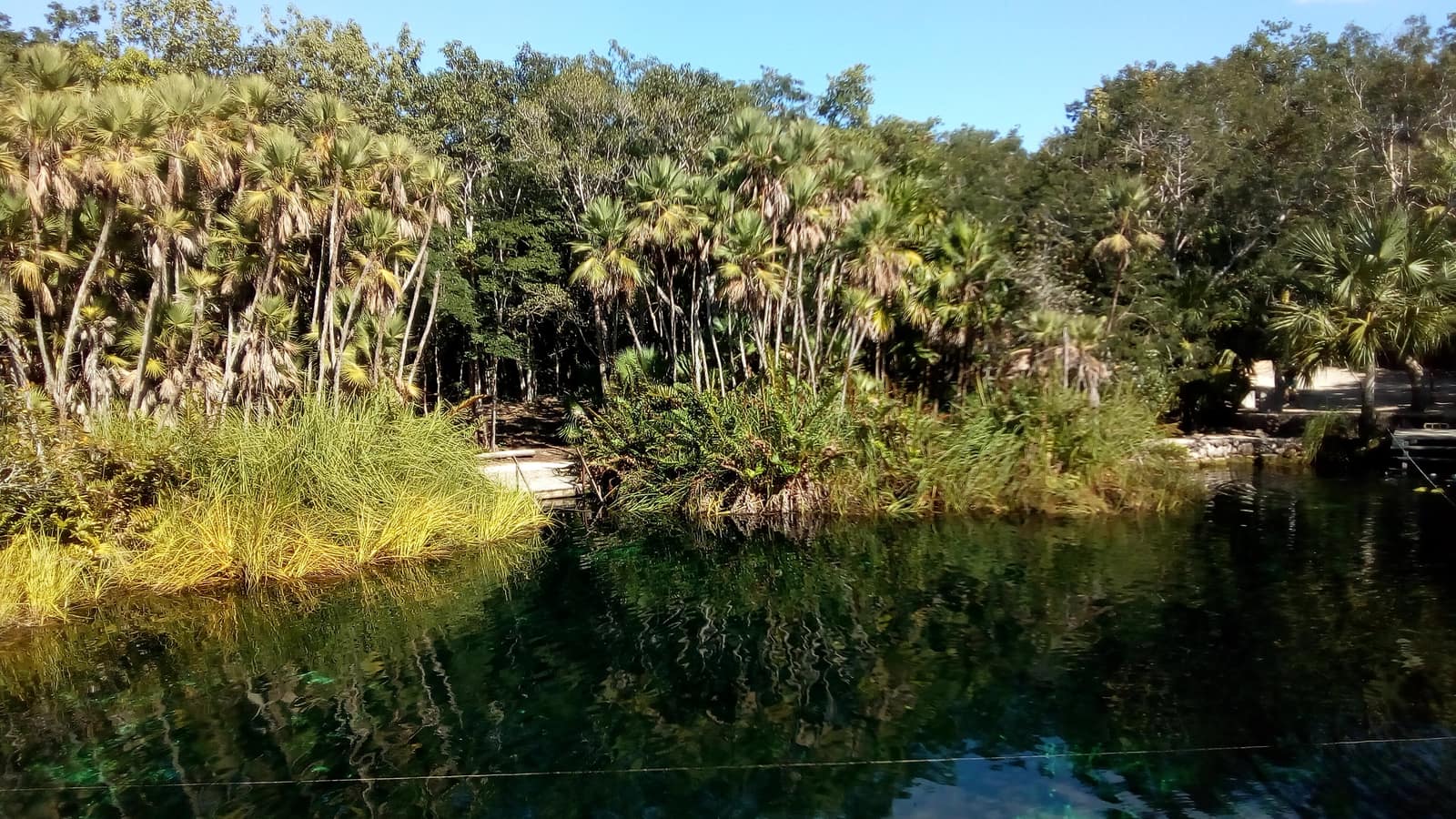
Yucatán Cenote Coast
Riviera Maya & Puuc (Yucatán / Quintana Roo)
Cool limestone pools open beneath jungle canopy; light shafts cut the water like columns. Evenings move from reef swim to limestone ruins warm with stone.
- Duration
- 8 days
- Effort
- Easy
- Window
- Nov–Apr
$5,200–$7,800
Detail →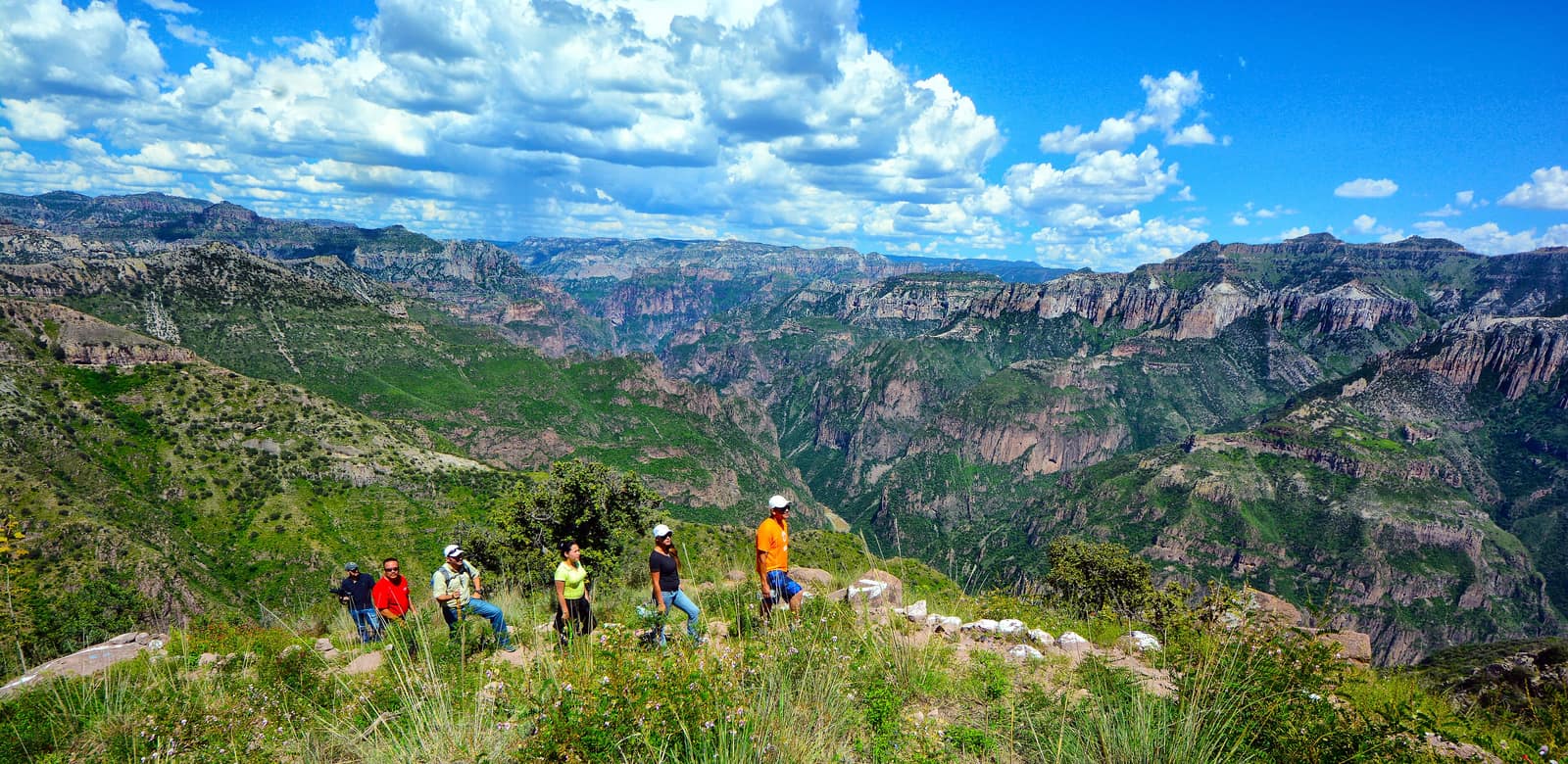
Mexico
Copper Canyon Traverse
Sierra Tarahumara / Barrancas del Cobre (Chihuahua)
Several gorges here run deeper than the Grand Canyon, folded into pine and cliff. Footpaths follow Rarámuri routes where the rim drops away without warning.
- Duration
- 10 days
- Effort
- Challenging
- Window
- Oct–Apr
$6,500–$9,200
Detail →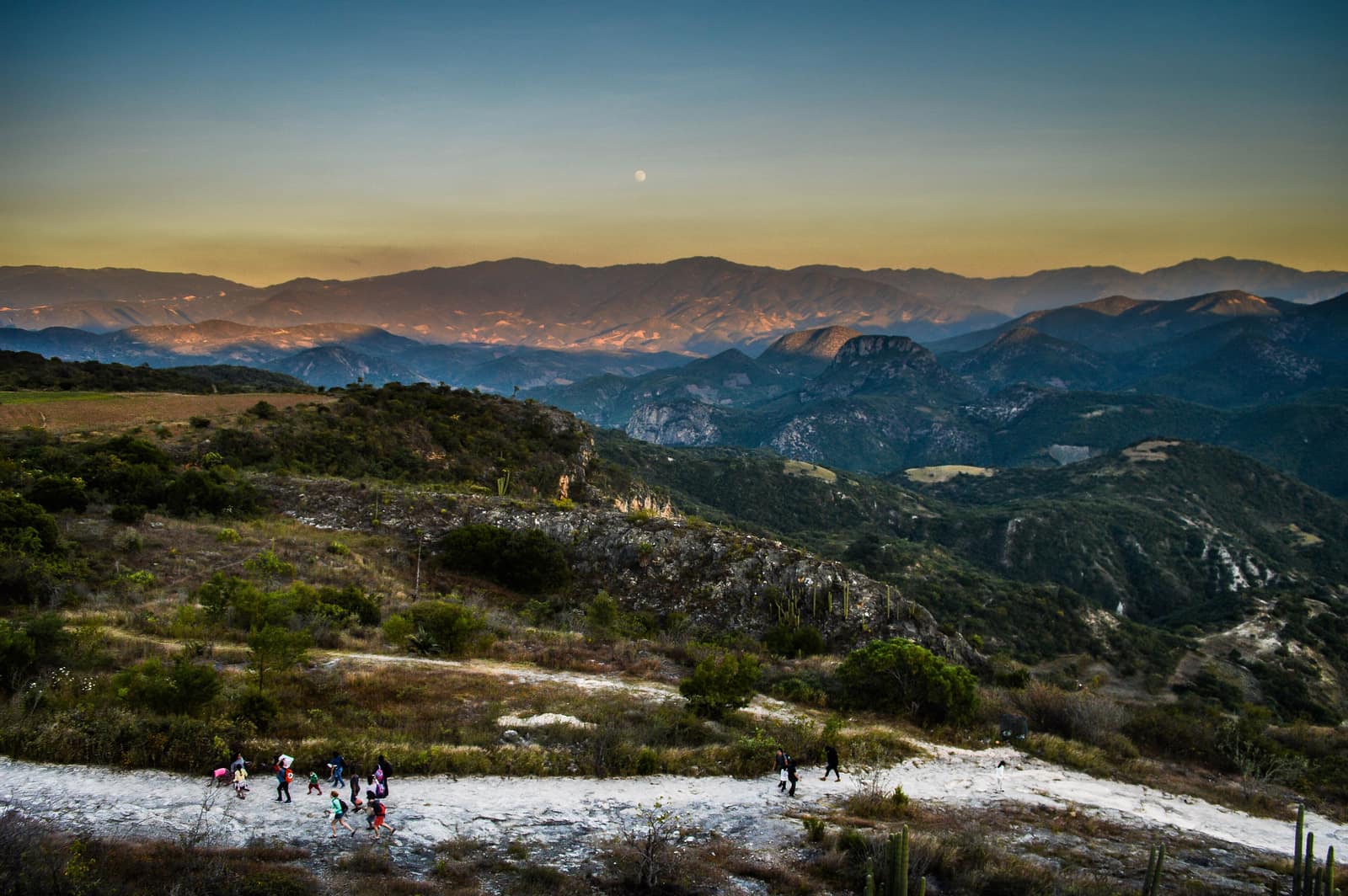
Mexico
Oaxaca Highland Ascent
Sierra Norte & Central Valleys
Cloud forest trails link Zapotec villages where smoke from cooking fires rises at dusk. Ridges open onto valleys quilted with maize and agave.
- Duration
- 8 days
- Effort
- Moderate
- Window
- Oct–Mar
$4,800–$7,200
Detail →From the ground
Frames from this route family and country — not a studio set, and not a promise of identical weather.