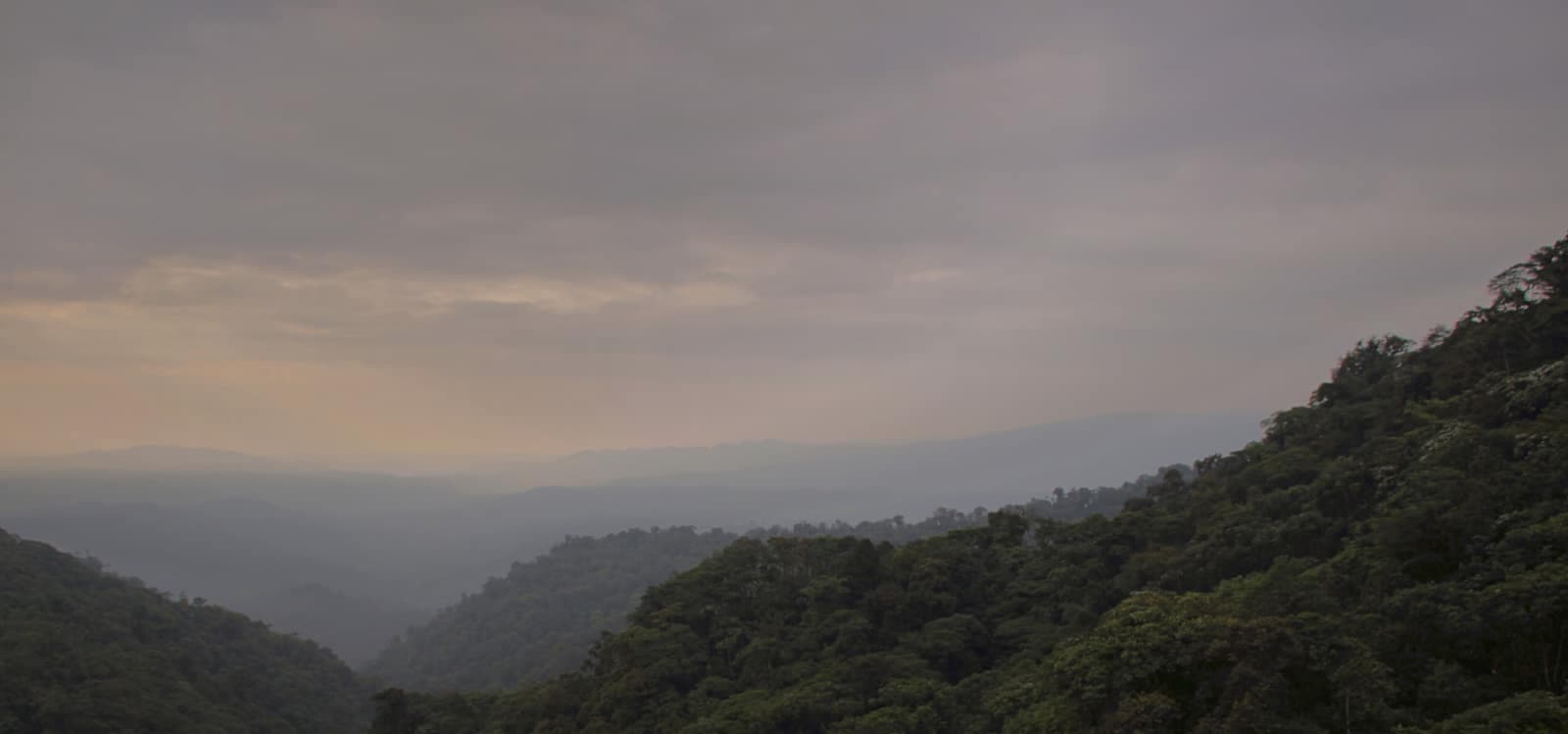
Quito Cloud Forest Traverse
Mindo & Chocó Andino
Hummingbirds hold still in wet air above waterfall trails. The Chocó slope drips with epiphytes; nights are loud with frogs.
- Days
- 7
- Effort
- Easy
- Window
- Jun–Sep
- From
- $4,800
The ground
The Chocó Andino is the western slope of the Andes dropping toward the Pacific, and the altitude gradient is why the bird numbers are what they are, well over 500 species within a couple of hours of Quito, and hummingbird feeders at Mindo lodges that regularly hold a dozen species at once.
It is a UNESCO biosphere reserve, and the reason it survives is a network of private and community reserves, Bellavista, Milpe, Refugio Paz de las Aves, Mashpi's forest, rather than one big national park. Access is therefore reserve by reserve, arranged in advance.
The star turns are set-piece and reliable: an Andean cock-of-the-rock lek at dawn, antpittas that come to a whistle because one family has been building that relationship for twenty years, and a toucan barbet on a fruit feeder. This is easy walking and very early mornings.
Mindo and the Chocó Andino biosphere reserve, Pichincha, Ecuador. Working elevation runs Quito 2,850 m · Mindo 1,250 m · reserves 900–2,400 m. That profile shapes sleep, pace, and how early the group needs to move. The published window: June through September is drier and preferred. Birding is genuinely good year-round; breeding activity peaks earlier in the year. Within that window, day order still flexes with weather and access.
Most sites are private or community reserves with their own entry fees and booking. Leks and antpitta feeding stations run to fixed early times and must be reserved. The road down from Quito is good but the reserve access tracks are not. 4x4 in the wet season. Private bird guide and vehicle, lodge-based. Small-group departures capped at six, which is the right size for a hide. This is the operating shape of the trip: private enough to reorder days, constrained enough that permits and local rules still set the ceiling.
Shape of the days
A shape, not a script. Order and pacing move with weather, permits, and how the first days actually go.
Day 1
Quito and the descent: opening
Day 1 sits inside the 1–2 arc titled Quito and the descent. A night at 2,850 m, then west over the ridge and down the Chocó slope, the temperate zone reserves on the way, with the elevation dropping 1,500 m in two hours. This opening slice sets the logistics and the first read of the ground before the denser days. Field days stay inside the ground already described for Ecuador. The Chocó Andino is the western slope of the Andes dropping toward the Pacific, and the altitude gradient is why the bird numbers are what they are, well over 500 species within a couple of hours of Quito, and hummingbird feeders at Mindo lodges that regularly hold a dozen species at once. Most sites are private or community reserves with their own entry fees and booking. Leks and antpitta feeding stations run to fixed early times and must be reserved. Private bird guide and vehicle, lodge-based. Expect a full field day measured in hours on foot, on the water, or in transit between sectors already named above. Private guiding means we can shorten or reorder, not that the underlying constraints disappear. It is a UNESCO biosphere reserve, and the reason it survives is a network of private and community reserves, Bellavista, Milpe, Refugio Paz de las Aves, Mashpi's forest, rather than one big national park. Access is therefore reserve by reserve, arranged in advance. Geography stays inside Mindo and the Chocó Andino biosphere reserve, Pichincha, Ecuador. Season logic we plan against: June through September is drier and preferred. Birding is genuinely good year-round; breeding activity peaks earlier in the year. For kit on these days:.
Day 2
Quito and the descent: continuation
Day 2 sits inside the 1–2 arc titled Quito and the descent. A night at 2,850 m, then west over the ridge and down the Chocó slope, the temperate zone reserves on the way, with the elevation dropping 1,500 m in two hours. This closing slice of the block consolidates what the earlier days opened, without inventing a new sector. Field days stay inside the ground already described for Ecuador. It is a UNESCO biosphere reserve, and the reason it survives is a network of private and community reserves, Bellavista, Milpe, Refugio Paz de las Aves, Mashpi's forest, rather than one big national park. The road down from Quito is good but the reserve access tracks are not. 4x4 in the wet season. Private bird guide and vehicle, lodge-based. Expect a full field day measured in hours on foot, on the water, or in transit between sectors already named above. Private guiding means we can shorten or reorder, not that the underlying constraints disappear. Access is therefore reserve by reserve, arranged in advance. Geography stays inside Mindo and the Chocó Andino biosphere reserve, Pichincha, Ecuador. Season logic we plan against: June through September is drier and preferred. Birding is genuinely good year-round; breeding activity peaks earlier in the year. For kit on these days: A rain shell for cloud forest that drips whatever the month, and grippy shoes for wet, steep trail.
Days 3–4
Mindo and Milpe: opening
Days 3–4 continue the Mindo and Milpe block. Cock-of-the-rock lek at dawn, hummingbird gardens, the Nambillo waterfall chain, and a night walk for glass frogs. This opening slice sets the logistics and the first read of the ground before the denser days. Field days stay inside the ground already described for Ecuador. The star turns are set-piece and reliable: an Andean cock-of-the-rock lek at dawn, antpittas that come to a whistle because one family has been building that relationship for twenty years, and a toucan barbet on a fruit feeder. Most sites are private or community reserves with their own entry fees and booking. Leks and antpitta feeding stations run to fixed early times and must be reserved. Private bird guide and vehicle, lodge-based. Expect a full field day measured in hours on foot, on the water, or in transit between sectors already named above. Private guiding means we can shorten or reorder, not that the underlying constraints disappear. The Chocó Andino is the western slope of the Andes dropping toward the Pacific, and the altitude gradient is why the bird numbers are what they are, well over 500 species within a couple of hours of Quito, and hummingbird feeders at Mindo lodges that regularly hold a dozen species at once. Geography stays inside Mindo and the Chocó Andino biosphere reserve, Pichincha, Ecuador. Season logic we plan against: June through September is drier and preferred. Birding is genuinely good year-round; breeding activity peaks earlier in the year. For kit on these days: A rain shell for cloud forest that drips whatever the month, and grippy shoes for wet, steep trail.
Day 5
Mindo and Milpe: continuation
Day 5 sits inside the 3–5 arc titled Mindo and Milpe. Cock-of-the-rock lek at dawn, hummingbird gardens, the Nambillo waterfall chain, and a night walk for glass frogs. This closing slice of the block consolidates what the earlier days opened, without inventing a new sector. Field days stay inside the ground already described for Ecuador. The Chocó Andino is the western slope of the Andes dropping toward the Pacific, and the altitude gradient is why the bird numbers are what they are, well over 500 species within a couple of hours of Quito, and hummingbird feeders at Mindo lodges that regularly hold a dozen species at once. The road down from Quito is good but the reserve access tracks are not. 4x4 in the wet season. Private bird guide and vehicle, lodge-based. Expect a full field day measured in hours on foot, on the water, or in transit between sectors already named above. Private guiding means we can shorten or reorder, not that the underlying constraints disappear. It is a UNESCO biosphere reserve, and the reason it survives is a network of private and community reserves, Bellavista, Milpe, Refugio Paz de las Aves, Mashpi's forest, rather than one big national park. Access is therefore reserve by reserve, arranged in advance. Geography stays inside Mindo and the Chocó Andino biosphere reserve, Pichincha, Ecuador. Season logic we plan against: June through September is drier and preferred. Birding is genuinely good year-round; breeding activity peaks earlier in the year. For kit on these days: A rain shell for cloud forest that drips whatever the month, and grippy shoes for wet, steep trail.
Day 6
Higher slope
Day 6 sits inside the 6 arc titled Higher slope. Bellavista or the Yanacocha reserve for high-elevation species, then the Tandayapa valley. The day order inside this block can shift when weather or access forces a rewrite. Field days stay inside the ground already described for Ecuador. It is a UNESCO biosphere reserve, and the reason it survives is a network of private and community reserves, Bellavista, Milpe, Refugio Paz de las Aves, Mashpi's forest, rather than one big national park. Most sites are private or community reserves with their own entry fees and booking. Leks and antpitta feeding stations run to fixed early times and must be reserved. Private bird guide and vehicle, lodge-based. Expect a full field day measured in hours on foot, on the water, or in transit between sectors already named above. Private guiding means we can shorten or reorder, not that the underlying constraints disappear. The star turns are set-piece and reliable: an Andean cock-of-the-rock lek at dawn, antpittas that come to a whistle because one family has been building that relationship for twenty years, and a toucan barbet on a fruit feeder. This is easy walking and very early mornings. Geography stays inside Mindo and the Chocó Andino biosphere reserve, Pichincha, Ecuador. Season logic we plan against: June through September is drier and preferred. Birding is genuinely good year-round; breeding activity peaks earlier in the year. For kit on these days: A rain shell for cloud forest that drips whatever the month, and grippy shoes for wet, steep trail.
Day 7
Exit
Day 7 sits inside the 7 arc titled Exit. Return to Quito, with a final feeder morning on the way up. The day order inside this block can shift when weather or access forces a rewrite. Exit logistics follow the same transfer pattern already built into the programme. Most sites are private or community reserves with their own entry fees and booking. Leks and antpitta feeding stations run to fixed early times and must be reserved. International connections should leave buffer after the last field day; late-evening flights only when the ground day is genuinely short. The last day is deliberately lighter where the catalogue allows it, so extraction does not collide with a hard physical ask. The Chocó Andino is the western slope of the Andes dropping toward the Pacific, and the altitude gradient is why the bird numbers are what they are, well over 500 species within a couple of hours of Quito, and hummingbird feeders at Mindo lodges that regularly hold a dozen species at once. Geography stays inside Mindo and the Chocó Andino biosphere reserve, Pichincha, Ecuador. Season logic we plan against: June through September is drier and preferred. Birding is genuinely good year-round; breeding activity peaks earlier in the year. Packing still matters here: A rain shell for cloud forest that drips whatever the month, and grippy shoes for wet, steep trail.
Conditions
Mindo sits at 1,250 m and runs 16–26 °C, wet and humid with rain possible any month. June to September is generally drier on this slope. Higher reserves are cooler and cloud-bound much of the day, which is normal for cloud forest.
Fitness bar
Easy. Short trails, some steep and slippery, waterfall steps, and very early starts. No altitude difficulty once you drop off the ridge.
Best months
June through September is drier and preferred. Birding is genuinely good year-round; breeding activity peaks earlier in the year.
Private or small group
Private bird guide and vehicle, lodge-based. Small-group departures capped at six, which is the right size for a hide.
What to bring
A rain shell for cloud forest that drips whatever the month, and grippy shoes for wet, steep trail. Layers for the 2,850 m ridge and the 1,250 m valley. Your own binoculars if you are particular; a scope is supplied.
Amazon & Rainforest
Access and permits
The constraints that actually decide whether a date is possible.
- Most sites are private or community reserves with their own entry fees and booking. Leks and antpitta feeding stations run to fixed early times and must be reserved.
- The road down from Quito is good but the reserve access tracks are not. 4x4 in the wet season.
Included
- Private bird guide with a scope, plus reserve-specific local guides
- All reserve entries, Milpe, Bellavista, Paz de las Aves, Yanacocha and similar
- Lodge accommodation on the slope and Quito nights
- All transfers and a night walk
- Daily field briefings with the lead guide before departure
Not included
- International flights
- Photography hide fees at some private reserves
- Guaranteed sightings of any single species
- Personal insurance, including medical and evacuation cover
- Tips for guides and lodge staff, which remain optional and separate
What the price reflects
$4,800–7,200 for seven days covers a private bird guide with a scope, all reserve fees, lodge accommodation, and dawn starts with a private vehicle. Mindo is easy and cheap to visit independently; the guide is what turns 60 species into 250. What moves a quote inside that picture is party size, season, and the lodge or camp class actually available for your dates. Private bird guide and vehicle, lodge-based. Small-group departures capped at six, which is the right size for a hide. On the included side, the band already assumes items such as: Private bird guide with a scope, plus reserve-specific local guides; All reserve entries, Milpe, Bellavista, Paz de las Aves, Yanacocha and similar; Lodge accommodation on the slope and Quito nights. Still outside the band unless we write them in: International flights; Photography hide fees at some private reserves; Guaranteed sightings of any single species. Nothing is confirmed until it is confirmed in writing.
- Party size
- Per-person cost usually falls as the private team is shared across more guests, up to the format limit implied by the guiding and lodge picture. Private bird guide and vehicle, lodge-based.
- Season and dates
- Window on the card: Jun–Sep. Planning note: June through September is drier and preferred. Birding is genuinely good year-round; breeding activity peaks earlier in the year. Peak dates inside that window tighten lodge and permit availability, which is what usually pushes a quote toward the top of a published band.
- Lodge or camp class
- Accommodation in the band reflects: Lodge accommodation on the slope and Quito nights. Moving up or down a class, or shifting to a scarcer property, changes the quote without changing the route.
- Internal transport
- Transfers and regional legs follow the trip design. Watch for: International flights. Charter or peak-season domestic seats, where they apply, sit outside a simple road transfer.
- Permits and access
- Access cost tracks what the ground already requires. All reserve entries, Milpe, Bellavista, Paz de las Aves, Yanacocha and similar We do not invent fee figures beyond what the catalogue already states.
- Outside the band
- Not assumed unless written in: International flights; Photography hide fees at some private reserves; Guaranteed sightings of any single species.
Bands are per person sharing and move with party size, season, and lodge choice. Nothing is confirmed until it is confirmed in writing. How we price.
Where this is
Mindo and the Chocó Andino biosphere reserve, Pichincha, Ecuador.
Elevation: Quito 2,850 m · Mindo 1,250 m · reserves 900–2,400 m. Season as published: June–September preferred; birding year-round. Difficulty as assessed: Easy.
What we checked
Seasons, altitudes, permits, and caps on this page were checked against park authorities, monitoring agencies, and operators on the ground. Where a fact changes with the year, we say so rather than round it off.
Near this
Same terrain, different week
Ecuador
Amazon Canopy & River
Parque Nacional Yasuní & cuenca del Napo
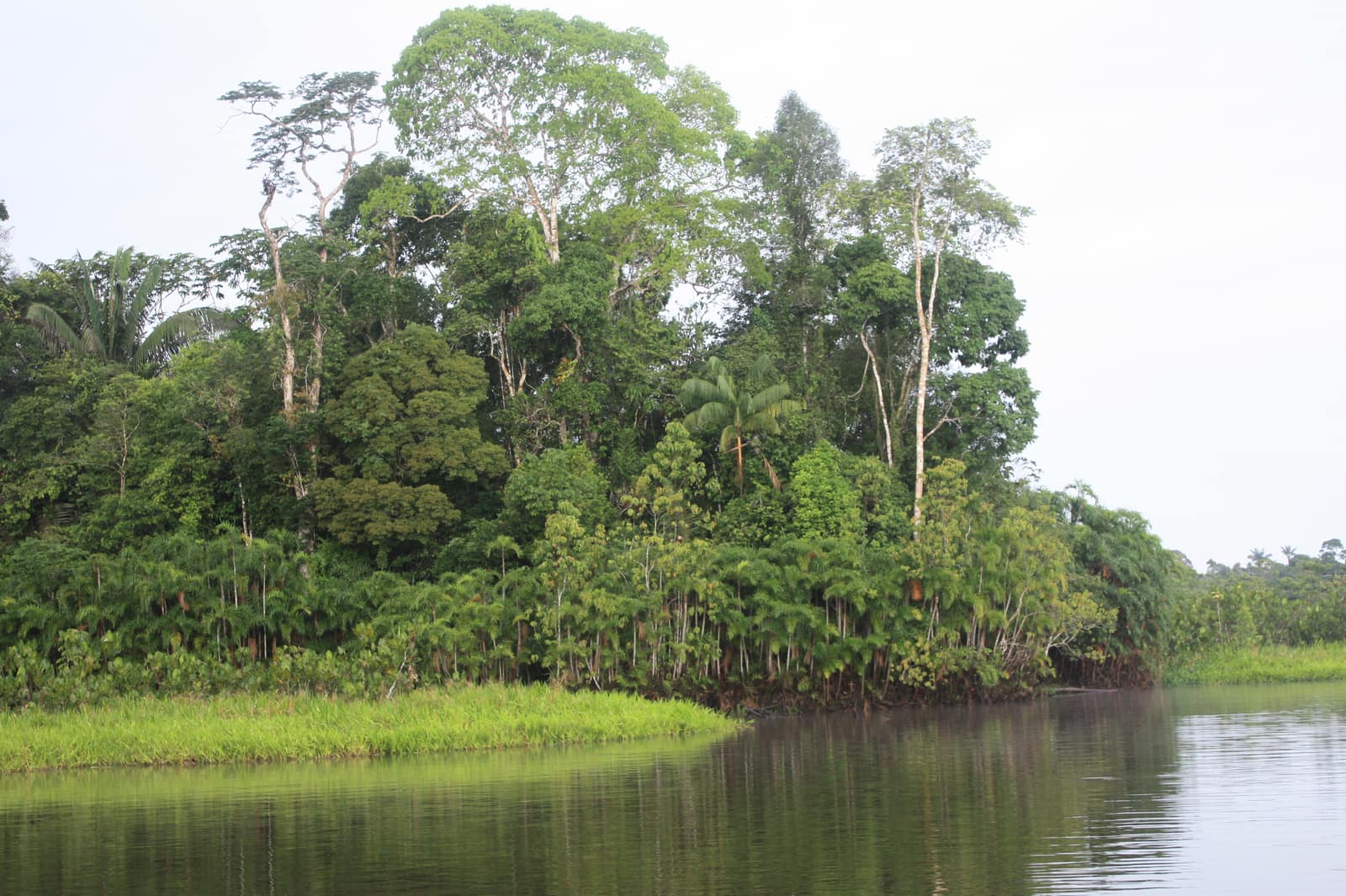
Dawn mist lifts off blackwater channels as howler monkeys claim the canopy. Night walks reveal eyeshine in a forest that never truly sleeps.
- Duration
- 10 days
- Effort
- Moderate
- Window
- Year-round
$7,200–$10,500
Detail →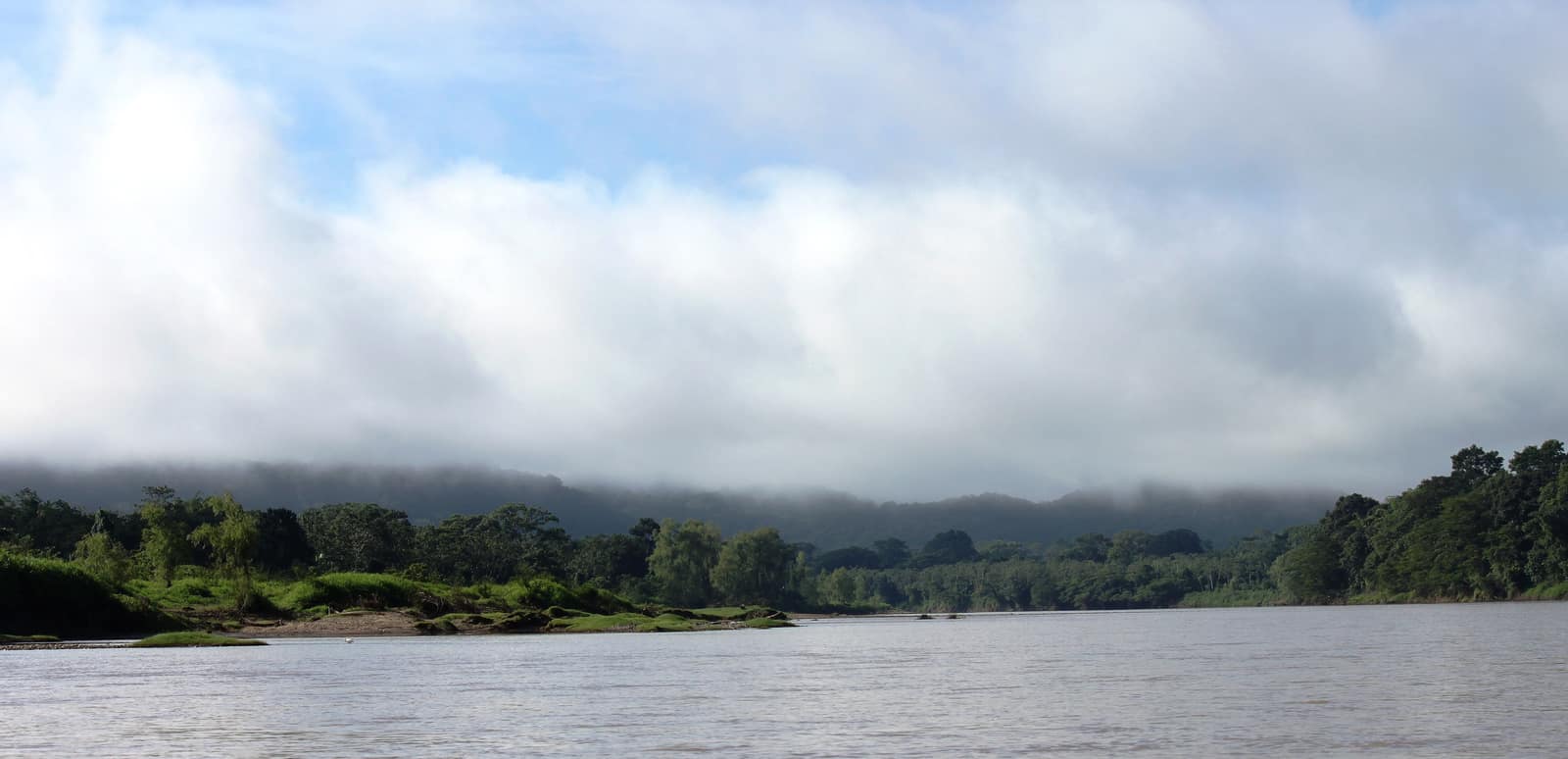
Honduras
By invitation
Mosquitia River Crossing
Río Plátano Biosphere
Only with a pre-vetted Mosquitia operator: river days in Río Plátano Biosphere under community protocols. Not an open itinerary—security screening required.
- Duration
- 12 days
- Effort
- Challenging
- Window
- Feb–May
On inquiry
Access →
Costa Rica
Osa Peninsula Coast
Corcovado & Golfo Dulce
Primary rainforest meets Pacific beach where tapirs leave tracks in wet sand. Scarlet macaws cross the mouth of the gulf at dusk.
- Duration
- 9 days
- Effort
- Moderate
- Window
- Dec–Apr
$7,500–$11,000
Detail →From the ground
Frames from this route family and country — not a studio set, and not a promise of identical weather.