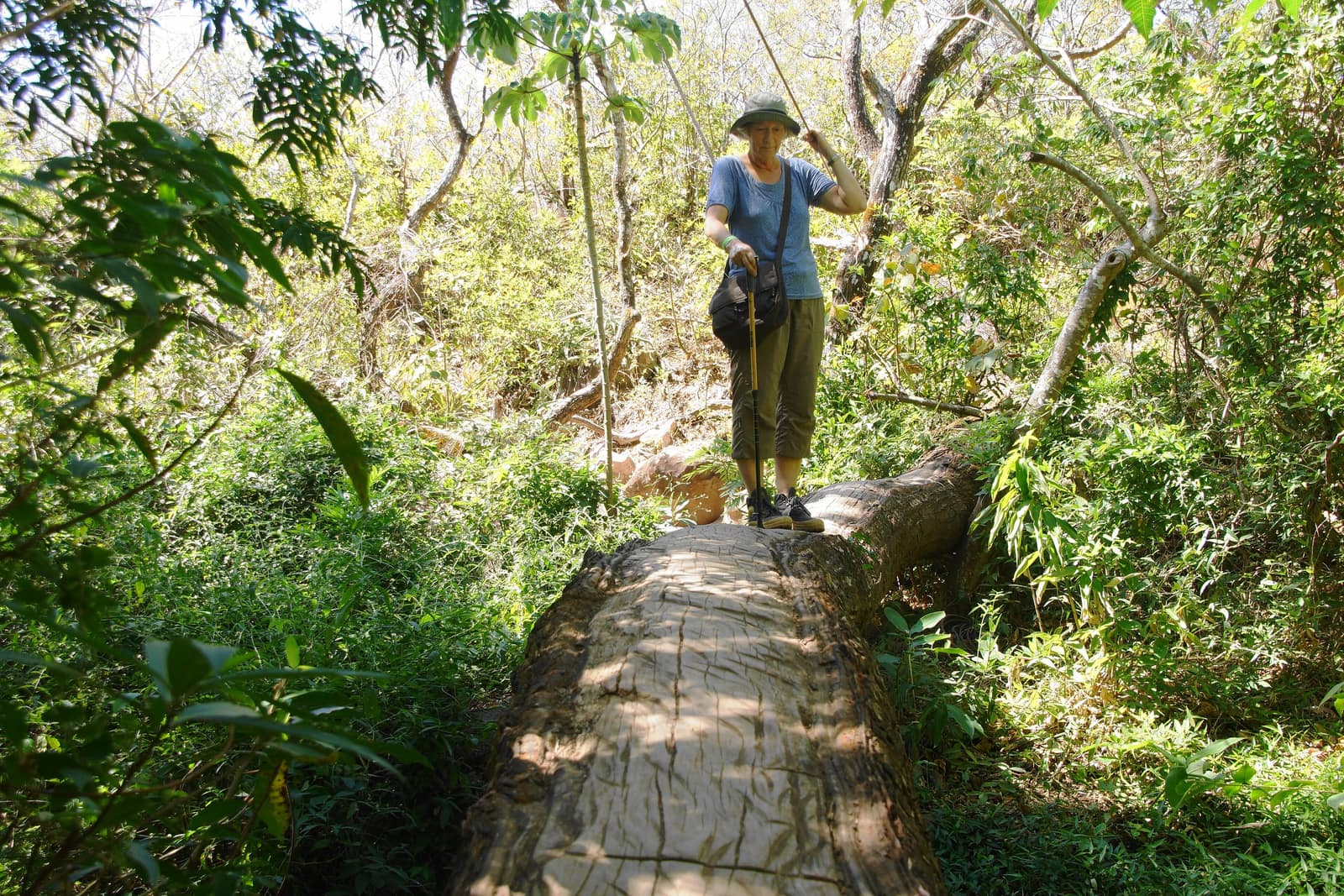
Osa Peninsula Coast
Corcovado & Golfo Dulce
Primary rainforest meets Pacific beach where tapirs leave tracks in wet sand. Scarlet macaws cross the mouth of the gulf at dusk.
- Days
- 9
- Effort
- Moderate
- Window
- Dec–Apr
- From
- $7,500
The ground
The Osa carries the last substantial block of Pacific lowland rainforest in Central America, and National Geographic's often-quoted line about it being one of the biologically most intense places on earth is, unusually, defensible. Baird's tapir, all four Costa Rican monkey species, and the country's healthiest scarlet macaw population are all here.
Sirena is the reason people come. It is the one ranger station surrounded on every side by primary forest, reached by boat from Drake Bay or a long coastal hike from La Leona, and the wildlife there behaves differently because it has never been pushed to the edges. Tapir tracks in wet sand at dawn are routine.
Corcovado is not a walk-up park. Certified guides have been mandatory for every visitor since 2014, Sirena has hard daily caps, and overnight beds are scarce. Every itinerary here is built backwards from permit availability.
Corcovado National Park, the Osa Peninsula, and Golfo Dulce, Puntarenas, Costa Rica. Working elevation runs Sea level to about 700 m. That profile shapes sleep, pace, and how early the group needs to move. The published window: December through April. Humpbacks pass through the gulf roughly July to October and again December to March, on two different populations. Within that window, day order still flexes with weather and access.
A certified guide is legally required for every Corcovado visitor and rangers enforce it at the station gates. Sirena's daily quota is split between day visitors and a small overnight allocation, and the beds fill months ahead for the dry season. Book early or accept day access. Private guiding with an ICT-certified Corcovado guide throughout, lodge-based. Sirena overnights are capped by the park, so party size there is set by permits rather than preference. This is the operating shape of the trip: private enough to reorder days, constrained enough that permits and local rules still set the ceiling.
Shape of the days
A shape, not a script. Order and pacing move with weather, permits, and how the first days actually go.
Day 1
Puerto Jiménez or Drake Bay: opening
Day 1 sits inside the 1–2 arc titled Puerto Jiménez or Drake Bay. Arrival, orientation, and Golfo Dulce or Matapalo forest on the first afternoon. A soft start that is already excellent. This opening slice sets the logistics and the first read of the ground before the denser days. Arrival and orientation use the published access picture. A certified guide is legally required for every Corcovado visitor and rangers enforce it at the station gates. Elevation context for the programme: Sea level to about 700 m. Sleep and walk length are graded against that, not against a generic fitness brochure. Early days protect the later ones. We do not burn the group on a full-length day before the body has met the altitude, heat, or boat rhythm this route actually uses. Sirena is the reason people come. It is the one ranger station surrounded on every side by primary forest, reached by boat from Drake Bay or a long coastal hike from La Leona, and the wildlife there behaves differently because it has never been pushed to the edges. Tapir tracks in wet sand at dawn are routine. Geography stays inside Corcovado National Park, the Osa Peninsula, and Golfo Dulce, Puntarenas, Costa Rica. Season logic we plan against: December through April. Humpbacks pass through the gulf roughly July to October and again December to March, on two different populations. Packing still matters here: Rubber boots are supplied and you will want them.
Day 2
Puerto Jiménez or Drake Bay: continuation
Day 2 sits inside the 1–2 arc titled Puerto Jiménez or Drake Bay. Arrival, orientation, and Golfo Dulce or Matapalo forest on the first afternoon. A soft start that is already excellent. This closing slice of the block consolidates what the earlier days opened, without inventing a new sector. Arrival and orientation use the published access picture. Sirena's daily quota is split between day visitors and a small overnight allocation, and the beds fill months ahead for the dry season. Book early or accept day access. Elevation context for the programme: Sea level to about 700 m. Sleep and walk length are graded against that, not against a generic fitness brochure. Early days protect the later ones. We do not burn the group on a full-length day before the body has met the altitude, heat, or boat rhythm this route actually uses. It is the one ranger station surrounded on every side by primary forest, reached by boat from Drake Bay or a long coastal hike from La Leona, and the wildlife there behaves differently because it has never been pushed to the edges. Tapir tracks in wet sand at dawn are routine. Geography stays inside Corcovado National Park, the Osa Peninsula, and Golfo Dulce, Puntarenas, Costa Rica. Season logic we plan against: December through April. Humpbacks pass through the gulf roughly July to October and again December to March, on two different populations. Packing still matters here: Rubber boots are supplied and you will want them.
Days 3–4
Corcovado: opening
Days 3–4 continue the Corcovado block. Day treks from San Pedrillo or La Leona, and, if permits hold, an overnight at Sirena with pre-dawn and dusk walks on the trail network radiating from the station. This opening slice sets the logistics and the first read of the ground before the denser days. This is the denser stretch. The Sirena sector closes annually for maintenance, in recent years October, and the whole park has had full closures in that month. Fitness for the block: Moderate. Long humid days, sand and root walking, river crossings, and heat that dominates the effort. Conditions: Hot, humid, and genuinely wet. Expect a full field day measured in hours on foot, on the water, or in transit between sectors already named above. Private guiding means we can shorten or reorder, not that the underlying constraints disappear. The Osa carries the last substantial block of Pacific lowland rainforest in Central America, and National Geographic's often-quoted line about it being one of the biologically most intense places on earth is, unusually, defensible. Baird's tapir, all four Costa Rican monkey species, and the country's healthiest scarlet macaw population are all here. Geography stays inside Corcovado National Park, the Osa Peninsula, and Golfo Dulce, Puntarenas, Costa Rica. Season logic we plan against: December through April. Humpbacks pass through the gulf roughly July to October and again December to March, on two different populations. For kit on these days: Rubber boots are supplied and you will want them.
Days 5–6
Corcovado: continuation
Days 5–6 continue the Corcovado block. Day treks from San Pedrillo or La Leona, and, if permits hold, an overnight at Sirena with pre-dawn and dusk walks on the trail network radiating from the station. This closing slice of the block consolidates what the earlier days opened, without inventing a new sector. This is the denser stretch. A certified guide is legally required for every Corcovado visitor and rangers enforce it at the station gates. Fitness for the block: Moderate. Long humid days, sand and root walking, river crossings, and heat that dominates the effort. Conditions: Hot, humid, and genuinely wet. Expect a full field day measured in hours on foot, on the water, or in transit between sectors already named above. Private guiding means we can shorten or reorder, not that the underlying constraints disappear. Baird's tapir, all four Costa Rican monkey species, and the country's healthiest scarlet macaw population are all here. Geography stays inside Corcovado National Park, the Osa Peninsula, and Golfo Dulce, Puntarenas, Costa Rica. Season logic we plan against: December through April. Humpbacks pass through the gulf roughly July to October and again December to March, on two different populations. For kit on these days: Rubber boots are supplied and you will want them.
Day 7
Golfo Dulce: opening
Day 7 sits inside the 7–8 arc titled Golfo Dulce. Boat days on the gulf for dolphins and, in season, humpbacks; mangrove channels; and the Osa Conservation or Piro research corridors. This opening slice sets the logistics and the first read of the ground before the denser days. Field days stay inside the ground already described for Costa Rica. Sirena is the reason people come. Sirena's daily quota is split between day visitors and a small overnight allocation, and the beds fill months ahead for the dry season. Book early or accept day access. Private guiding with an ICT-certified Corcovado guide throughout, lodge-based. Expect a full field day measured in hours on foot, on the water, or in transit between sectors already named above. Private guiding means we can shorten or reorder, not that the underlying constraints disappear. Corcovado is not a walk-up park. Certified guides have been mandatory for every visitor since 2014, Sirena has hard daily caps, and overnight beds are scarce. Every itinerary here is built backwards from permit availability. Geography stays inside Corcovado National Park, the Osa Peninsula, and Golfo Dulce, Puntarenas, Costa Rica. Season logic we plan against: December through April. Humpbacks pass through the gulf roughly July to October and again December to March, on two different populations. For kit on these days: Rubber boots are supplied and you will want them.
Day 8
Golfo Dulce: continuation
Day 8 sits inside the 7–8 arc titled Golfo Dulce. Boat days on the gulf for dolphins and, in season, humpbacks; mangrove channels; and the Osa Conservation or Piro research corridors. This closing slice of the block consolidates what the earlier days opened, without inventing a new sector. Field days stay inside the ground already described for Costa Rica. Corcovado is not a walk-up park. The Sirena sector closes annually for maintenance, in recent years October, and the whole park has had full closures in that month. Private guiding with an ICT-certified Corcovado guide throughout, lodge-based. Expect a full field day measured in hours on foot, on the water, or in transit between sectors already named above. Private guiding means we can shorten or reorder, not that the underlying constraints disappear. Certified guides have been mandatory for every visitor since 2014, Sirena has hard daily caps, and overnight beds are scarce. Every itinerary here is built backwards from permit availability. Geography stays inside Corcovado National Park, the Osa Peninsula, and Golfo Dulce, Puntarenas, Costa Rica. Season logic we plan against: December through April. Humpbacks pass through the gulf roughly July to October and again December to March, on two different populations. For kit on these days: Rubber boots are supplied and you will want them.
Day 9
Exit
Day 9 sits inside the 9 arc titled Exit. Boat or flight out via Puerto Jiménez or Drake. The day order inside this block can shift when weather or access forces a rewrite. Exit logistics follow the same transfer pattern already built into the programme. Sirena's daily quota is split between day visitors and a small overnight allocation, and the beds fill months ahead for the dry season. Book early or accept day access. International connections should leave buffer after the last field day; late-evening flights only when the ground day is genuinely short. The last day is deliberately lighter where the catalogue allows it, so extraction does not collide with a hard physical ask. Sirena is the reason people come. It is the one ranger station surrounded on every side by primary forest, reached by boat from Drake Bay or a long coastal hike from La Leona, and the wildlife there behaves differently because it has never been pushed to the edges. Tapir tracks in wet sand at dawn are routine. Geography stays inside Corcovado National Park, the Osa Peninsula, and Golfo Dulce, Puntarenas, Costa Rica. Season logic we plan against: December through April. Humpbacks pass through the gulf roughly July to October and again December to March, on two different populations. Packing still matters here: Rubber boots are supplied and you will want them.
Conditions
Hot, humid, and genuinely wet. The Osa takes over 4,000 mm a year in places. December to April is the dry season and the logistics window. Green season keeps the wildlife but makes trails and river crossings much harder. Pacific rip currents are strong.
Fitness bar
Moderate. Long humid days, sand and root walking, river crossings, and heat that dominates the effort. The La Leona coastal hike to Sirena is 16–20 km and tide-dependent, and is quoted as a harder option.
Best months
December through April. Humpbacks pass through the gulf roughly July to October and again December to March, on two different populations.
Private or small group
Private guiding with an ICT-certified Corcovado guide throughout, lodge-based. Sirena overnights are capped by the park, so party size there is set by permits rather than preference.
What to bring
Rubber boots are supplied and you will want them. Quick-dry long layers against sun and insects, a dry bag for the boat transfers, and binoculars. Nothing here dries overnight, so bring one more shirt than the maths suggests.
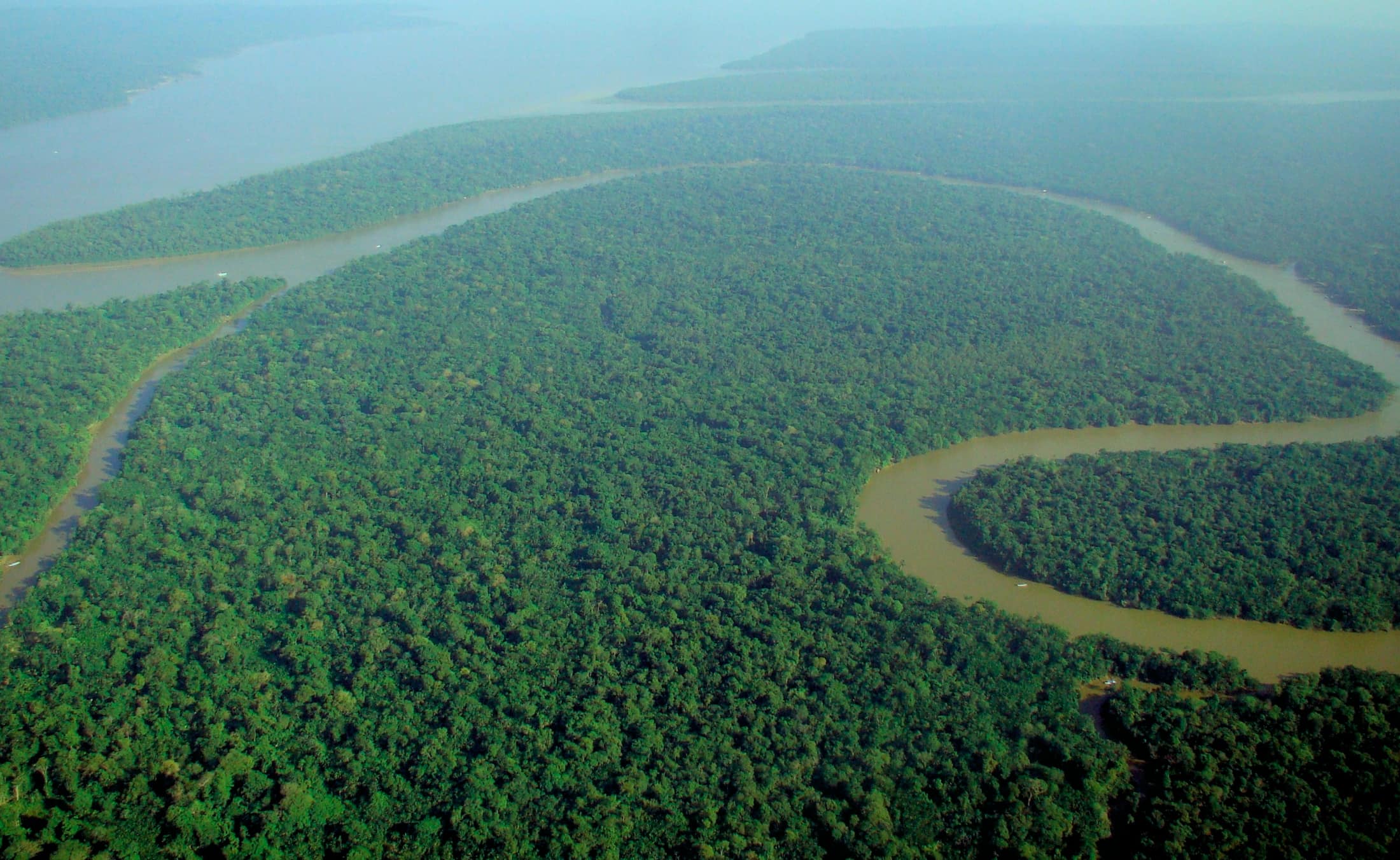
Amazon & Rainforest
Access and permits
The constraints that actually decide whether a date is possible.
- A certified guide is legally required for every Corcovado visitor and rangers enforce it at the station gates.
- Sirena's daily quota is split between day visitors and a small overnight allocation, and the beds fill months ahead for the dry season. Book early or accept day access.
- The Sirena sector closes annually for maintenance, in recent years October, and the whole park has had full closures in that month.
Included
- Corcovado permits, arranged in advance against the daily quota
- ICT-certified park guide, mandatory, not optional
- Boat transfers, Golfo Dulce days, and eco-lodge accommodation
- All meals, including the Sirena station meals if you overnight
- Daily field briefings with the lead guide before departure
Not included
- Guaranteed tapir, jaguar, or macaw sightings
- Sirena beds if the quota is exhausted for your dates
- International flights
- Personal insurance, including medical and evacuation cover
- Tips for guides and lodge staff, which remain optional and separate
What the price reflects
$7,500–11,000 for nine days sits alongside the established Osa eco-lodges once private certified guiding, boat logistics, and park permits are included. Day trips to Corcovado from Drake Bay run a few hundred dollars and are a very different, much more rushed experience. What moves a quote inside that picture is party size, season, and the lodge or camp class actually available for your dates. Private guiding with an ICT-certified Corcovado guide throughout, lodge-based. Sirena overnights are capped by the park, so party size there is set by permits rather than preference. On the included side, the band already assumes items such as: Corcovado permits, arranged in advance against the daily quota; ICT-certified park guide, mandatory, not optional; Boat transfers, Golfo Dulce days, and eco-lodge accommodation. Still outside the band unless we write them in: Guaranteed tapir, jaguar, or macaw sightings; Sirena beds if the quota is exhausted for your dates; International flights. Nothing is confirmed until it is confirmed in writing.
- Party size
- Per-person cost usually falls as the private team is shared across more guests, up to the format limit implied by the guiding and lodge picture. Private guiding with an ICT-certified Corcovado guide throughout, lodge-based.
- Season and dates
- Window on the card: Dec–Apr. Planning note: December through April. Humpbacks pass through the gulf roughly July to October and again December to March, on two different populations. Peak dates inside that window tighten lodge and permit availability, which is what usually pushes a quote toward the top of a published band.
- Lodge or camp class
- Accommodation in the band reflects: Boat transfers, Golfo Dulce days, and eco-lodge accommodation. Moving up or down a class, or shifting to a scarcer property, changes the quote without changing the route.
- Internal transport
- Transfers and regional legs follow the trip design. Watch for: International flights. Charter or peak-season domestic seats, where they apply, sit outside a simple road transfer.
- Permits and access
- Access cost tracks what the ground already requires. Corcovado permits, arranged in advance against the daily quota We do not invent fee figures beyond what the catalogue already states.
- Outside the band
- Not assumed unless written in: Guaranteed tapir, jaguar, or macaw sightings; Sirena beds if the quota is exhausted for your dates; International flights.
Bands are per person sharing and move with party size, season, and lodge choice. Nothing is confirmed until it is confirmed in writing. How we price.
Where this is
Corcovado National Park, the Osa Peninsula, and Golfo Dulce, Puntarenas, Costa Rica.
Elevation: Sea level to about 700 m. Season as published: December–April (dry); Corcovado trails harder in green season. Difficulty as assessed: Moderate.
What we checked
Seasons, altitudes, permits, and caps on this page were checked against park authorities, monitoring agencies, and operators on the ground. Where a fact changes with the year, we say so rather than round it off.
Near this
Same terrain, different week
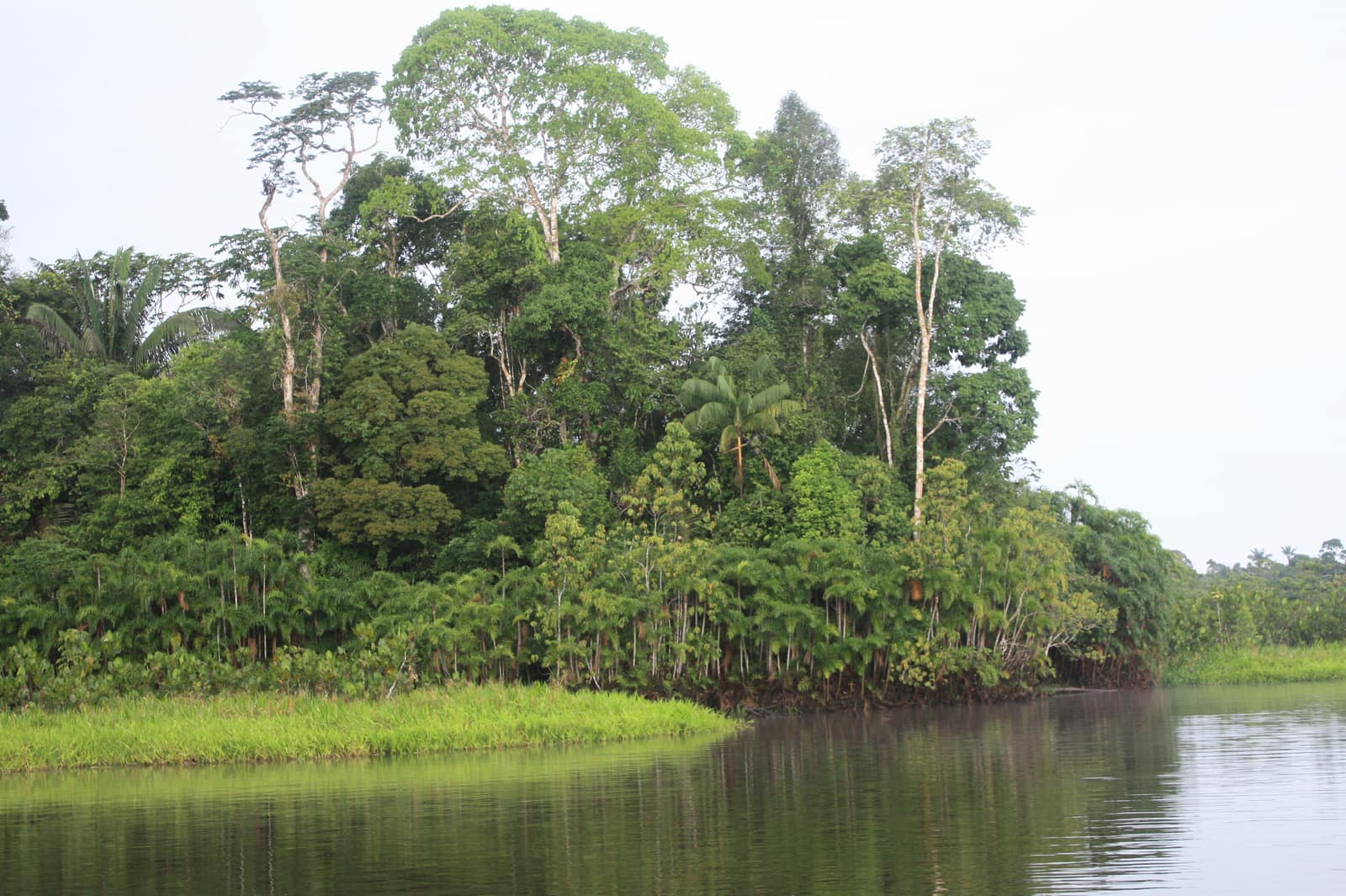
Ecuador
Amazon Canopy & River
Parque Nacional Yasuní & cuenca del Napo
Dawn mist lifts off blackwater channels as howler monkeys claim the canopy. Night walks reveal eyeshine in a forest that never truly sleeps.
- Duration
- 10 days
- Effort
- Moderate
- Window
- Year-round
$7,200–$10,500
Detail →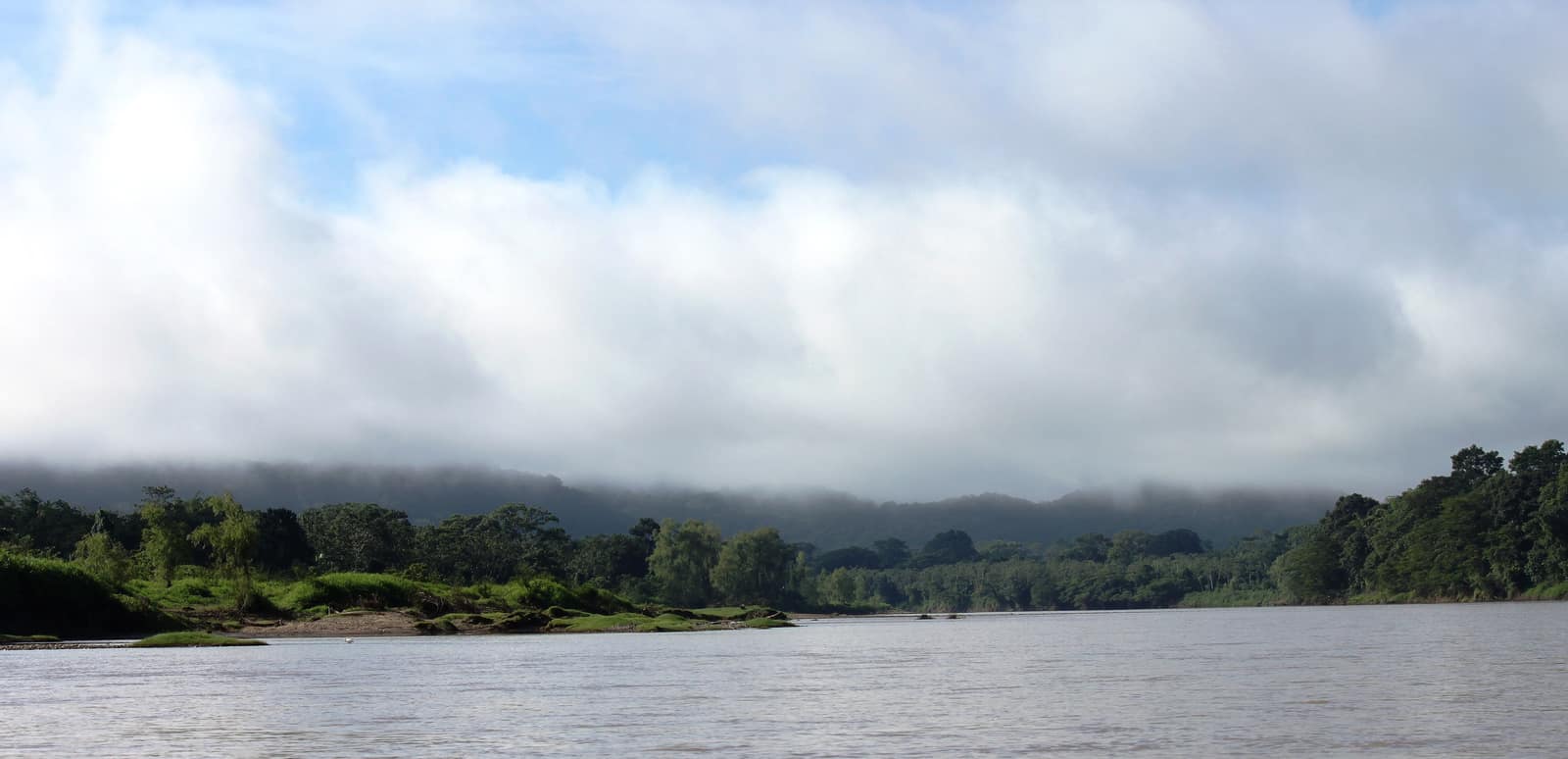
Honduras
By invitation
Mosquitia River Crossing
Río Plátano Biosphere
Only with a pre-vetted Mosquitia operator: river days in Río Plátano Biosphere under community protocols. Not an open itinerary—security screening required.
- Duration
- 12 days
- Effort
- Challenging
- Window
- Feb–May
On inquiry
Access →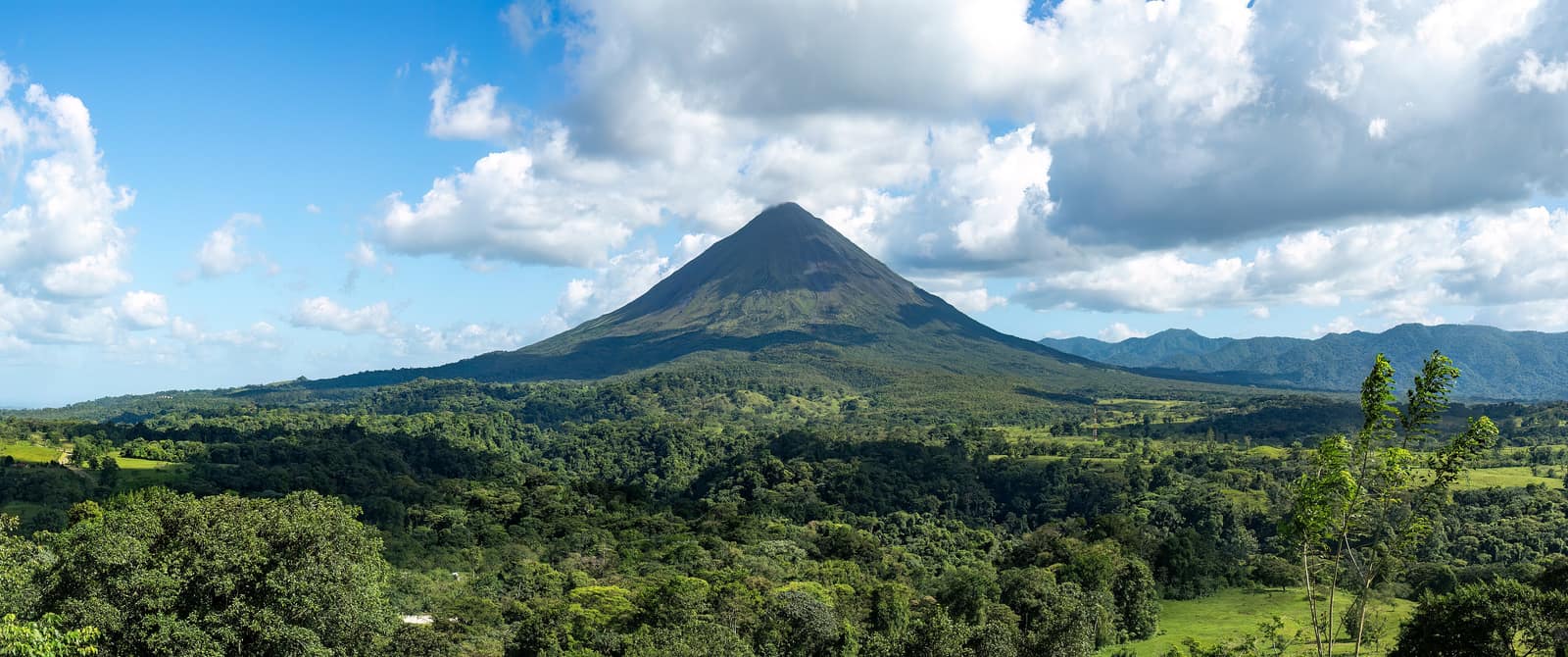
Costa Rica
Arenal & Monteverde Cloud Circuit
Arenal & Monteverde
Old lava fields and hanging bridges under Arenal's cone; Monteverde cloud forest for quetzals. Hot springs steam after rain—no crater summit.
- Duration
- 8 days
- Effort
- Moderate
- Window
- Dec–Apr
$5,800–$8,600
Detail →From the ground
Frames from this route family and country — not a studio set, and not a promise of identical weather.