Chapada Diamantina Ascent
Chapada Diamantina, Bahia
Table mountains drop into waterfall amphitheaters. Caves hold underground lakes; trails smell of dry grass and wet stone.
- Days
- 8
- Effort
- Moderate
- Window
- Apr–Sep
- From
- $5,200
The ground
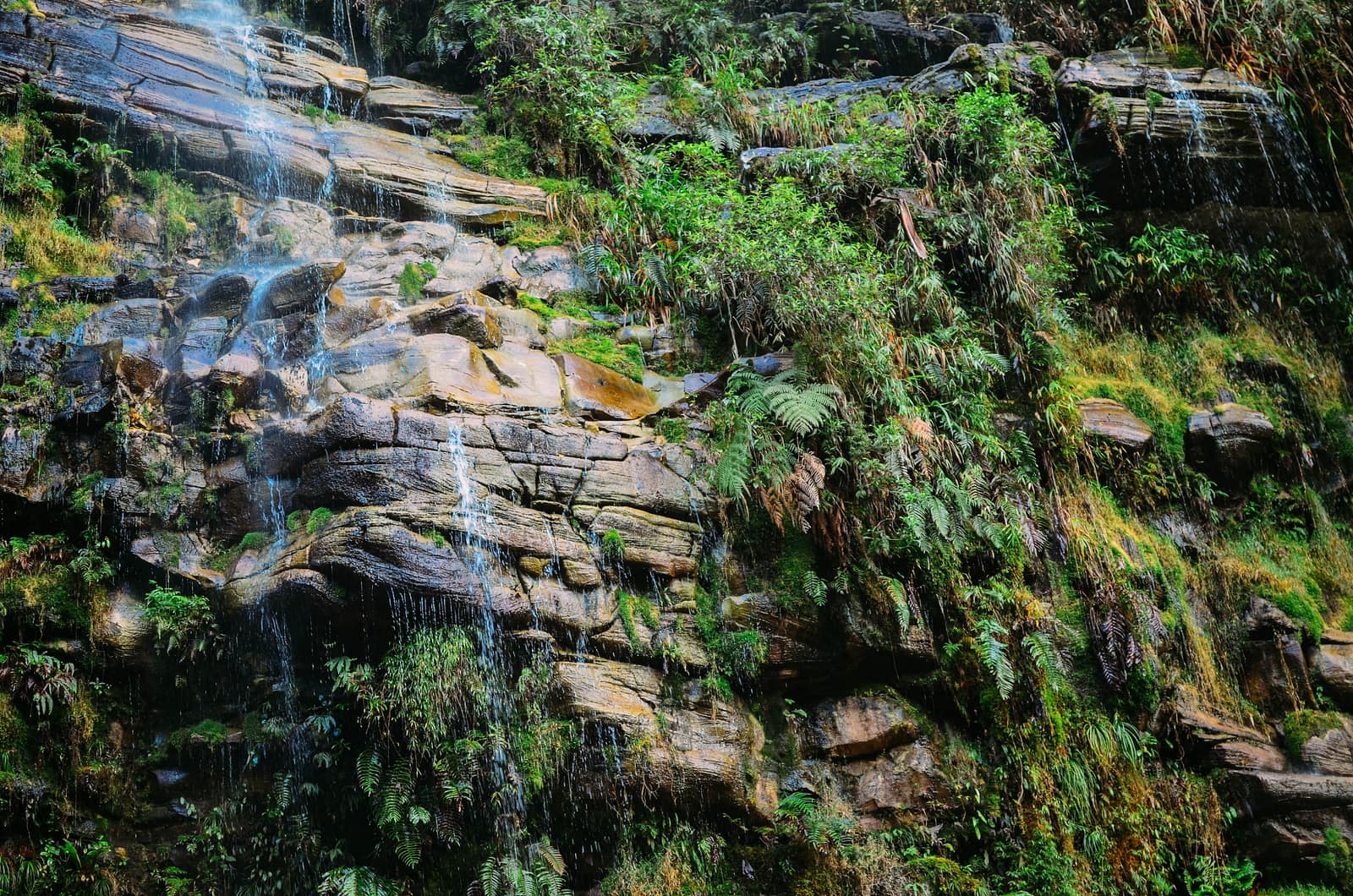
Chapada Diamantina is a quartzite plateau in the Bahian interior, cut by rivers into table mountains and canyons. The rock is old, the soil is poor, and the vegetation is cerrado and campo rupestre, which means orchids and bromeliads growing straight out of stone.
The Cachoeira da Fumaça drops around 340 m and, in low water, atomises before it reaches the bottom, hence 'smoke waterfall'. You look down into it from the rim, which is a different and better experience than looking up.
Poço Encantado is the trick of the place: a cave lake where, between roughly April and September, a shaft of midday sun enters at the right angle and lights the water an implausible blue right down to the submerged trees on the bottom. That window is why the season is what it is.
Chapada Diamantina National Park, Bahia, Brazil. Working elevation runs Lençóis 400 m · plateau 1,000–1,700 m · Pico do Barbado 2,033 m. That profile shapes sleep, pace, and how early the group needs to move. The published window: April through September. The Poço Encantado light effect works roughly within that window, around midday. Within that window, day order still flexes with weather and access.
Poço Encantado's blue is a function of sun angle and season, roughly April to September around midday. Outside that it is a dark cave lake. Caves and canyons close after heavy rain because of flash flooding. Pati valley accommodation is in family homes, simple, warm, and the best part of the trek. Private guide with local Pati valley hosts, staying in Lençóis pousadas and family homes in the valley. Small-group departures up to eight. This is the operating shape of the trip: private enough to reorder days, constrained enough that permits and local rules still set the ceiling.
Shape of the days
A shape, not a script. Order and pacing move with weather, permits, and how the first days actually go.
Day 1
Lençóis: opening
Day 1 sits inside the 1–2 arc titled Lençóis. Arrival in the old diamond town, the Serrano river slides, and Morro do Pai Inácio at sunset for the plateau overview. This opening slice sets the logistics and the first read of the ground before the denser days. Arrival and orientation use the published access picture. Poço Encantado's blue is a function of sun angle and season, roughly April to September around midday. Outside that it is a dark cave lake. Elevation context for the programme: Lençóis 400 m · plateau 1,000–1,700 m · Pico do Barbado 2,033 m. Sleep and walk length are graded against that, not against a generic fitness brochure. Early days protect the later ones. We do not burn the group on a full-length day before the body has met the altitude, heat, or boat rhythm this route actually uses. The Cachoeira da Fumaça drops around 340 m and, in low water, atomises before it reaches the bottom, hence 'smoke waterfall'. You look down into it from the rim, which is a different and better experience than looking up. Geography stays inside Chapada Diamantina National Park, Bahia, Brazil. Season logic we plan against: April through September. The Poço Encantado light effect works roughly within that window, around midday. Packing still matters here: Boots for rock and root on the Pati traverse, and a bag for cool plateau nights that touch 10 °C in June.
Day 2
Lençóis: continuation
Day 2 sits inside the 1–2 arc titled Lençóis. Arrival in the old diamond town, the Serrano river slides, and Morro do Pai Inácio at sunset for the plateau overview. This closing slice of the block consolidates what the earlier days opened, without inventing a new sector. Arrival and orientation use the published access picture. Caves and canyons close after heavy rain because of flash flooding. Pati valley accommodation is in family homes, simple, warm, and the best part of the trek. Elevation context for the programme: Lençóis 400 m · plateau 1,000–1,700 m · Pico do Barbado 2,033 m. Sleep and walk length are graded against that, not against a generic fitness brochure. Early days protect the later ones. We do not burn the group on a full-length day before the body has met the altitude, heat, or boat rhythm this route actually uses. You look down into it from the rim, which is a different and better experience than looking up. Geography stays inside Chapada Diamantina National Park, Bahia, Brazil. Season logic we plan against: April through September. The Poço Encantado light effect works roughly within that window, around midday. Packing still matters here: Boots for rock and root on the Pati traverse, and a bag for cool plateau nights that touch 10 °C in June.
Day 3
Waterfalls and caves: opening
Day 3 sits inside the 3–4 arc titled Waterfalls and caves. Cachoeira da Fumaça from the rim, Poço Encantado and Poço Azul in the light window, and the Lapa Doce cave system. This opening slice sets the logistics and the first read of the ground before the denser days. Field days stay inside the ground already described for Brazil. Poço Encantado is the trick of the place: a cave lake where, between roughly April and September, a shaft of midday sun enters at the right angle and lights the water an implausible blue right down to the submerged trees on the bottom. Poço Encantado's blue is a function of sun angle and season, roughly April to September around midday. Outside that it is a dark cave lake. Private guide with local Pati valley hosts, staying in Lençóis pousadas and family homes in the valley. Expect a full field day measured in hours on foot, on the water, or in transit between sectors already named above. Private guiding means we can shorten or reorder, not that the underlying constraints disappear. Chapada Diamantina is a quartzite plateau in the Bahian interior, cut by rivers into table mountains and canyons. The rock is old, the soil is poor, and the vegetation is cerrado and campo rupestre, which means orchids and bromeliads growing straight out of stone. Geography stays inside Chapada Diamantina National Park, Bahia, Brazil. Season logic we plan against: April through September. The Poço Encantado light effect works roughly within that window, around midday. For kit on these days: Boots for rock and root on the Pati traverse, and a bag for cool plateau nights that touch 10 °C in June.
Day 4
Waterfalls and caves: continuation
Day 4 sits inside the 3–4 arc titled Waterfalls and caves. Cachoeira da Fumaça from the rim, Poço Encantado and Poço Azul in the light window, and the Lapa Doce cave system. This closing slice of the block consolidates what the earlier days opened, without inventing a new sector. Field days stay inside the ground already described for Brazil. Chapada Diamantina is a quartzite plateau in the Bahian interior, cut by rivers into table mountains and canyons. Caves and canyons close after heavy rain because of flash flooding. Pati valley accommodation is in family homes, simple, warm, and the best part of the trek. Private guide with local Pati valley hosts, staying in Lençóis pousadas and family homes in the valley. Expect a full field day measured in hours on foot, on the water, or in transit between sectors already named above. Private guiding means we can shorten or reorder, not that the underlying constraints disappear. The rock is old, the soil is poor, and the vegetation is cerrado and campo rupestre, which means orchids and bromeliads growing straight out of stone. Geography stays inside Chapada Diamantina National Park, Bahia, Brazil. Season logic we plan against: April through September. The Poço Encantado light effect works roughly within that window, around midday. For kit on these days: Boots for rock and root on the Pati traverse, and a bag for cool plateau nights that touch 10 °C in June.
Days 5–6
Vale do Pati: opening
Days 5–6 continue the Vale do Pati block. The classic two- or three-day traverse, the best trekking in Brazil, staying in casas de nativos with the families who farm the valley. This opening slice sets the logistics and the first read of the ground before the denser days. Field days stay inside the ground already described for Brazil. The Cachoeira da Fumaça drops around 340 m and, in low water, atomises before it reaches the bottom, hence 'smoke waterfall'. Poço Encantado's blue is a function of sun angle and season, roughly April to September around midday. Outside that it is a dark cave lake. Private guide with local Pati valley hosts, staying in Lençóis pousadas and family homes in the valley. Expect a full field day measured in hours on foot, on the water, or in transit between sectors already named above. Private guiding means we can shorten or reorder, not that the underlying constraints disappear. Poço Encantado is the trick of the place: a cave lake where, between roughly April and September, a shaft of midday sun enters at the right angle and lights the water an implausible blue right down to the submerged trees on the bottom. That window is why the season is what it is. Geography stays inside Chapada Diamantina National Park, Bahia, Brazil. Season logic we plan against: April through September. The Poço Encantado light effect works roughly within that window, around midday. For kit on these days: Boots for rock and root on the Pati traverse, and a bag for cool plateau nights that touch 10 °C in June.
Day 7
Vale do Pati: continuation
Day 7 sits inside the 5–7 arc titled Vale do Pati. The classic two- or three-day traverse, the best trekking in Brazil, staying in casas de nativos with the families who farm the valley. This closing slice of the block consolidates what the earlier days opened, without inventing a new sector. Field days stay inside the ground already described for Brazil. Poço Encantado is the trick of the place: a cave lake where, between roughly April and September, a shaft of midday sun enters at the right angle and lights the water an implausible blue right down to the submerged trees on the bottom. Caves and canyons close after heavy rain because of flash flooding. Pati valley accommodation is in family homes, simple, warm, and the best part of the trek. Private guide with local Pati valley hosts, staying in Lençóis pousadas and family homes in the valley. Expect a full field day measured in hours on foot, on the water, or in transit between sectors already named above. Private guiding means we can shorten or reorder, not that the underlying constraints disappear. That window is why the season is what it is. Geography stays inside Chapada Diamantina National Park, Bahia, Brazil. Season logic we plan against: April through September. The Poço Encantado light effect works roughly within that window, around midday. For kit on these days: Boots for rock and root on the Pati traverse, and a bag for cool plateau nights that touch 10 °C in June.
Day 8
Exit
Day 8 sits inside the 8 arc titled Exit. Out of the valley and back to Lençóis or Salvador. The day order inside this block can shift when weather or access forces a rewrite. Exit logistics follow the same transfer pattern already built into the programme. Caves and canyons close after heavy rain because of flash flooding. Pati valley accommodation is in family homes, simple, warm, and the best part of the trek. International connections should leave buffer after the last field day; late-evening flights only when the ground day is genuinely short. The last day is deliberately lighter where the catalogue allows it, so extraction does not collide with a hard physical ask. The Cachoeira da Fumaça drops around 340 m and, in low water, atomises before it reaches the bottom, hence 'smoke waterfall'. You look down into it from the rim, which is a different and better experience than looking up. Geography stays inside Chapada Diamantina National Park, Bahia, Brazil. Season logic we plan against: April through September. The Poço Encantado light effect works roughly within that window, around midday. Packing still matters here: Boots for rock and root on the Pati traverse, and a bag for cool plateau nights that touch 10 °C in June.
Conditions
Warm days 22–32 °C and cool nights on the plateau, occasionally near 10 °C in June and July. April to September is drier. Flash flooding in the canyons and caves is a genuine hazard after rain, and guides cancel on it.
Fitness bar
Moderate to challenging on the Pati traverse: five to seven hours a day with sustained ascents and descents on rock and root, carrying a day pack while a mule takes the rest. Waterfall and cave days are moderate.
Best months
April through September. The Poço Encantado light effect works roughly within that window, around midday.
Private or small group
Private guide with local Pati valley hosts, staying in Lençóis pousadas and family homes in the valley. Small-group departures up to eight.
What to bring
Boots for rock and root on the Pati traverse, and a bag for cool plateau nights that touch 10 °C in June. A mule carries the rest, so pack a light day sack. Swim kit for the waterfall pools, and a head torch for the caves.
Deserts, Salt & Tablelands
Access and permits
The constraints that actually decide whether a date is possible.
- Poço Encantado's blue is a function of sun angle and season, roughly April to September around midday. Outside that it is a dark cave lake.
- Caves and canyons close after heavy rain because of flash flooding. Pati valley accommodation is in family homes, simple, warm, and the best part of the trek.
Included
- Park fees and all cave and waterfall entries
- Private guide, plus Pati valley hosts and mule support
- Pousada and casa de nativo accommodation, all meals on trek
- Transfers from Lençóis or Salvador
- Daily field briefings with the lead guide before departure
Not included
- Technical canyoning and rappel unless added
- International flights
- The Poço Encantado light effect outside its seasonal window
- Personal insurance, including medical and evacuation cover
- Tips for guides and lodge staff, which remain optional and separate
What the price reflects
$5,200–7,900 for eight days covers private guiding, park and cave fees, mule support in the Pati, and pousada nights either end. Independent trekking here is well established and much cheaper. What moves a quote inside that picture is party size, season, and the lodge or camp class actually available for your dates. Private guide with local Pati valley hosts, staying in Lençóis pousadas and family homes in the valley. Small-group departures up to eight. On the included side, the band already assumes items such as: Park fees and all cave and waterfall entries; Private guide, plus Pati valley hosts and mule support; Pousada and casa de nativo accommodation, all meals on trek. Still outside the band unless we write them in: Technical canyoning and rappel unless added; International flights; The Poço Encantado light effect outside its seasonal window. Nothing is confirmed until it is confirmed in writing.
- Party size
- Per-person cost usually falls as the private team is shared across more guests, up to the format limit implied by the guiding and lodge picture. Private guide with local Pati valley hosts, staying in Lençóis pousadas and family homes in the valley.
- Season and dates
- Window on the card: Apr–Sep. Planning note: April through September. The Poço Encantado light effect works roughly within that window, around midday. Peak dates inside that window tighten lodge and permit availability, which is what usually pushes a quote toward the top of a published band.
- Lodge or camp class
- Accommodation in the band reflects: Pousada and casa de nativo accommodation, all meals on trek. Moving up or down a class, or shifting to a scarcer property, changes the quote without changing the route.
- Internal transport
- Transfers and regional legs follow the trip design. Watch for: International flights. Charter or peak-season domestic seats, where they apply, sit outside a simple road transfer.
- Permits and access
- Access cost tracks what the ground already requires. Park fees and all cave and waterfall entries We do not invent fee figures beyond what the catalogue already states.
- Outside the band
- Not assumed unless written in: Technical canyoning and rappel unless added; International flights; The Poço Encantado light effect outside its seasonal window.
Bands are per person sharing and move with party size, season, and lodge choice. Nothing is confirmed until it is confirmed in writing. How we price.
Where this is
Chapada Diamantina National Park, Bahia, Brazil.
Elevation: Lençóis 400 m · plateau 1,000–1,700 m · Pico do Barbado 2,033 m. Season as published: Apr–Sep. Difficulty as assessed: Moderate.
What we checked
Seasons, altitudes, permits, and caps on this page were checked against park authorities, monitoring agencies, and operators on the ground. Where a fact changes with the year, we say so rather than round it off.
Near this
Same terrain, different week
Chile
Atacama Sky & Salt
San Pedro de Atacama & Altiplano
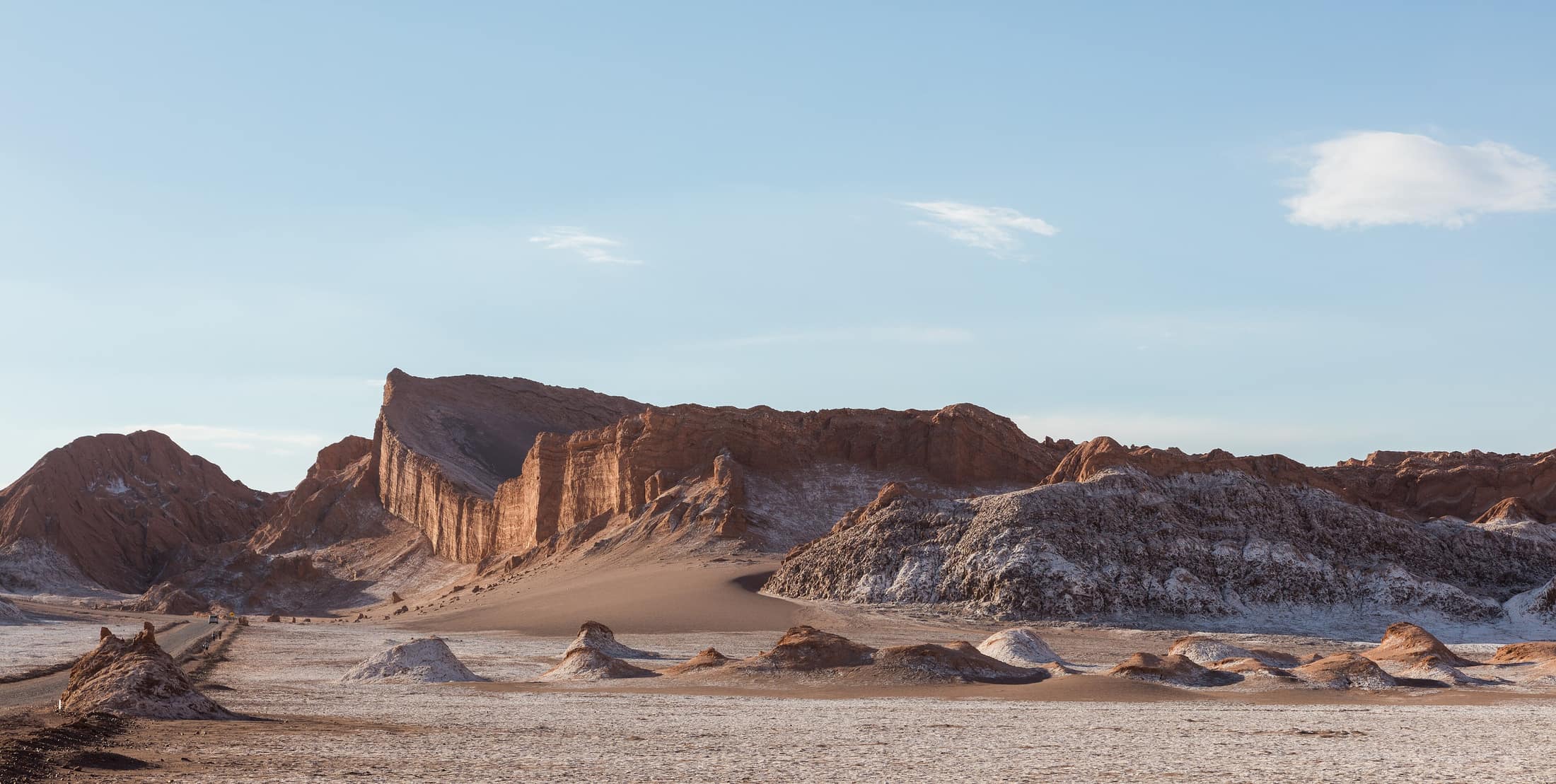
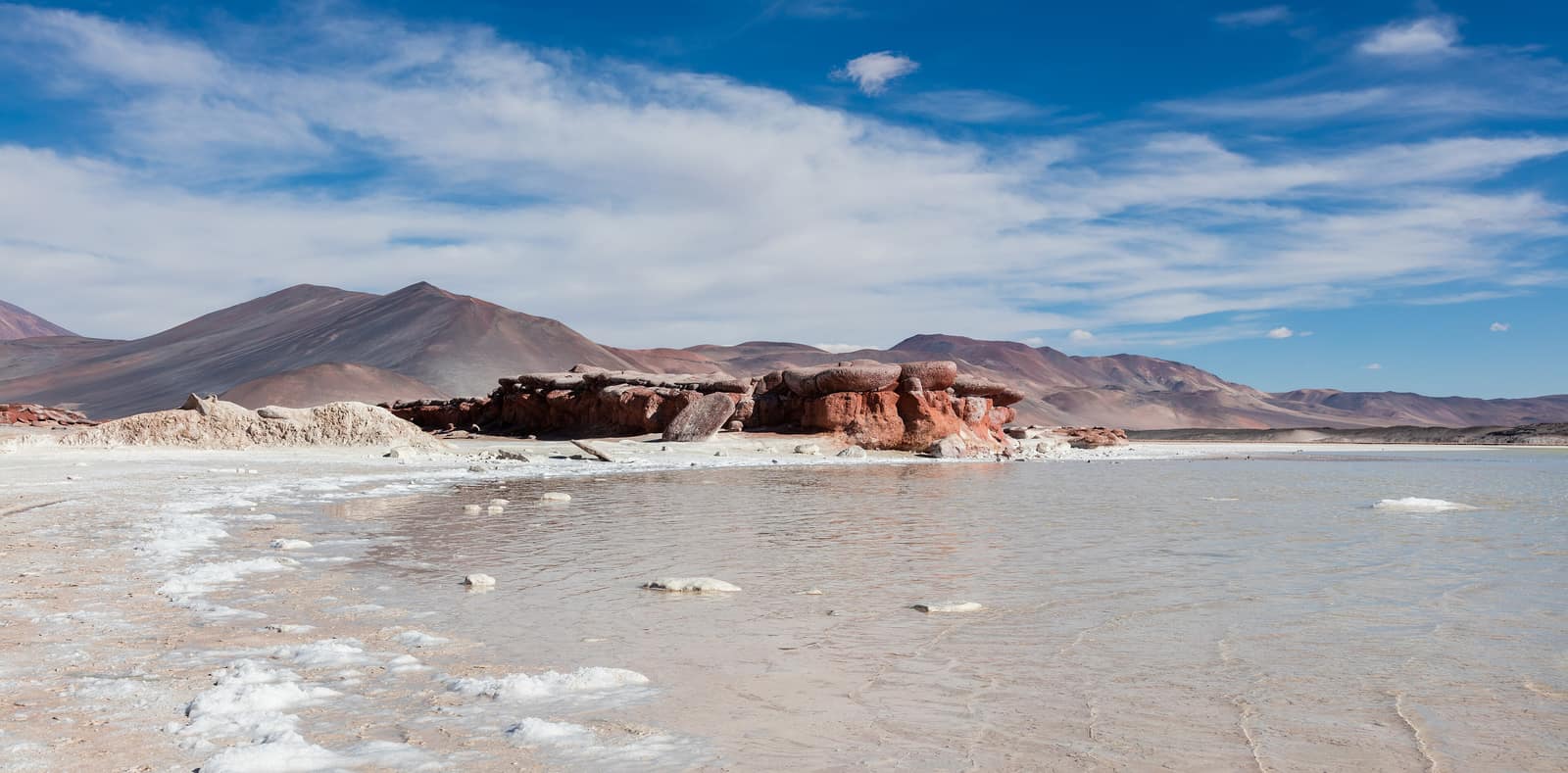
Salt flats crack underfoot while volcanoes hold the horizon. After dark, the driest sky on Earth opens into a field of unbroken stars.
- Duration
- 9 days
- Effort
- Moderate
- Window
- Year-round
$6,800–$9,800
Detail →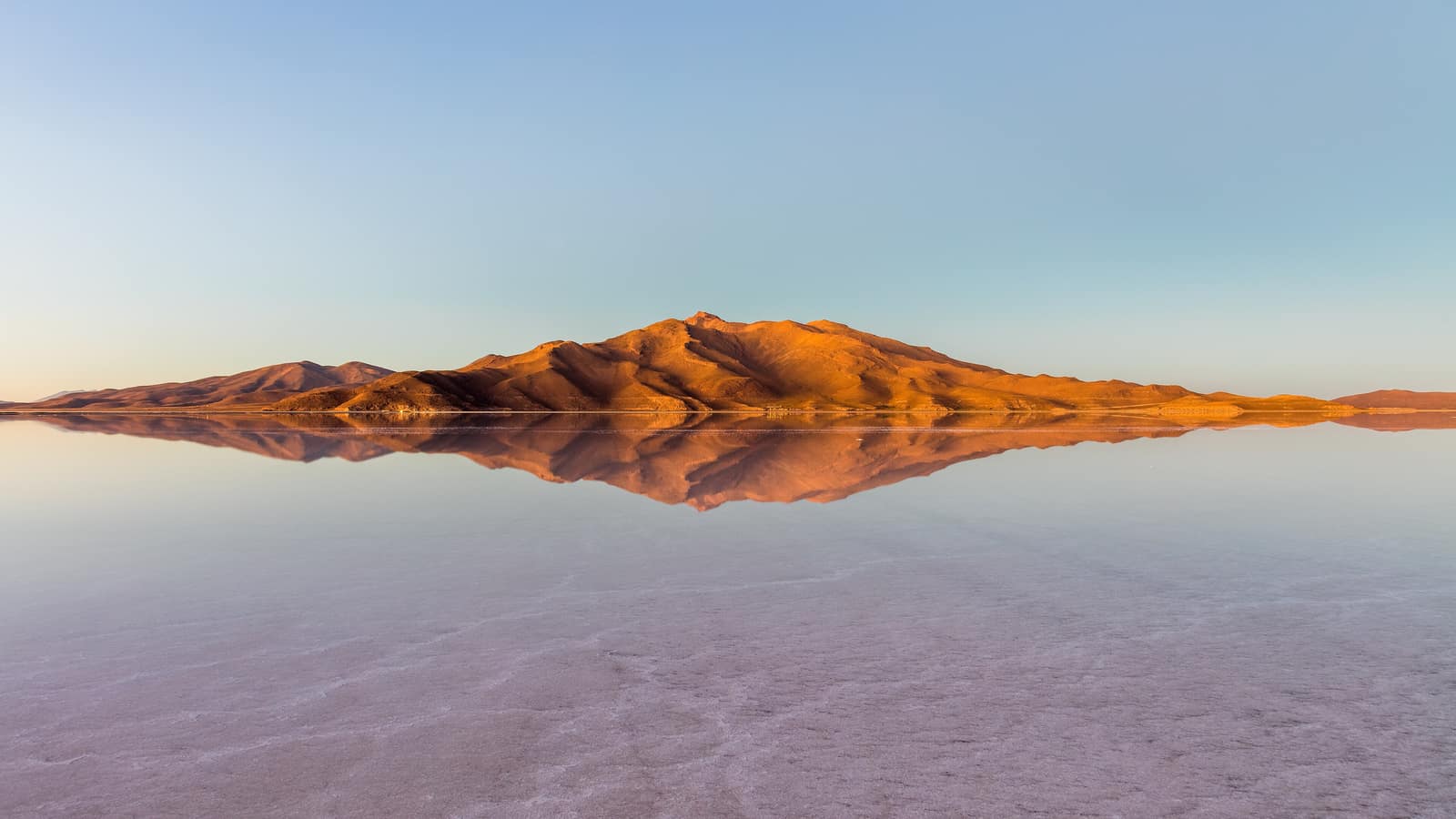
Bolivia
Uyuni Salt Sky Crossing
Salar de Uyuni & Sud Lípez
In the dry months the hexagonal salt crust runs to the horizon; in the rains a thin sheet of water turns the salar into sky. Colored lagoons hold flamingos; nights freeze hard under thin air.
- Duration
- 8 days
- Effort
- Moderate
- Window
- May–Oct (dry) · Jan–Mar (mirror)
$5,500–$8,500
Detail →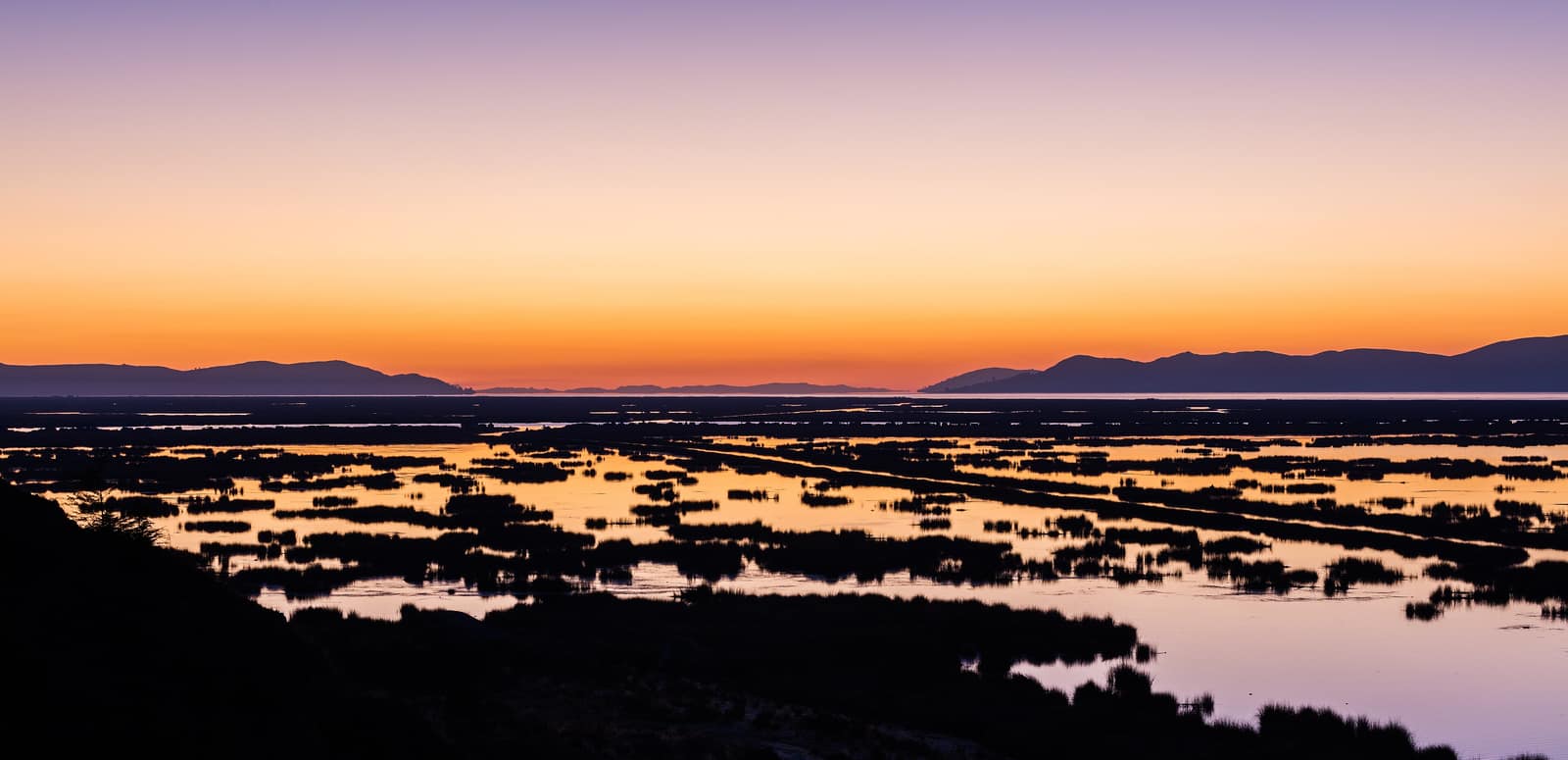
Bolivia
Lake Titicaca Island Circuit
Lago Titicaca & Isla del Sol (Bolivia)
Inca paths ring the islands of the highest lake that working boats still cross. Thin light turns the water silver; a few reed craft hold on among the fibreglass.
- Duration
- 6 days
- Effort
- Easy
- Window
- Apr–Oct
$4,500–$6,800
Detail →From the ground
Frames from this route family and country — not a studio set, and not a promise of identical weather.