Atacama Sky & Salt
San Pedro de Atacama & Altiplano
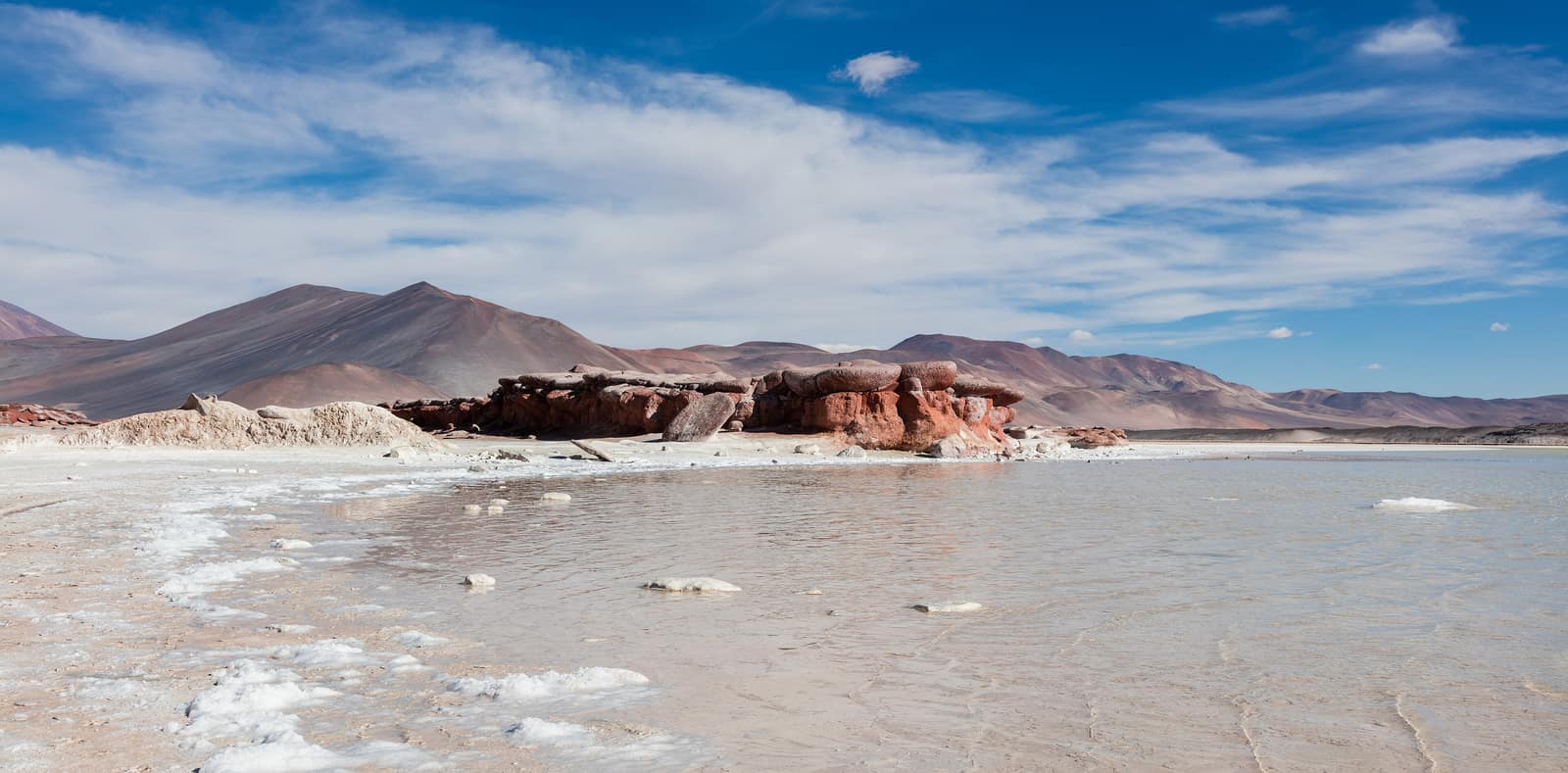
Salt flats crack underfoot while volcanoes hold the horizon. After dark, the driest sky on Earth opens into a field of unbroken stars.
- Days
- 9
- Effort
- Moderate
- Window
- Year-round
- From
- $6,800
The ground
The Atacama is the driest non-polar desert on earth, and some weather stations in its core have gone years without measurable rain. That dryness is why the sky works: it is the reason ALMA and the Paranal observatories sit here, and the reason a moonless night from the Salar de Atacama looks the way it does.
The geography stacks vertically. San Pedro sits at 2,400 m; the Tatio geyser field runs at 4,320 m; the altiplanic lagoons at Miscanti and Miñiques sit above 4,100 m with Licancabur and Lascar on the skyline. You gain and lose 2,000 m most days, which is the real physical demand of the trip.
Salt, not sand. The Salar de Atacama's crust is a broken, ankle-turning cauliflower of halite that cracks underfoot, with brine pools where Andean, Chilean, and James's flamingos all feed in the same shallows.
San Pedro de Atacama and the Antofagasta altiplano, Chile. Working elevation runs San Pedro 2,400 m · altiplano days 4,200–4,600 m. That profile shapes sleep, pace, and how early the group needs to move. The published window: Year-round. April to October is the peak astronomy window, with June to August coldest and clearest. December to March is still very good, with a small chance of altiplanic storms shutting a high road for a day. Within that window, day order still flexes with weather and access.
Tatio, Chaxa, and the altiplanic lagoons are managed by Atacameño communities and charge their own entry. Opening hours are enforced and the geyser field is dawn-only in practice. High-altitude roads to Tara and the lagoons close on snow, most often January to March. We hold an alternative day for that. Private guide and vehicle throughout, with a dedicated astronomy night. Hotel-based in San Pedro. Small-group departures up to eight. This is the operating shape of the trip: private enough to reorder days, constrained enough that permits and local rules still set the ceiling.
Shape of the days
A shape, not a script. Order and pacing move with weather, permits, and how the first days actually go.
Day 1
Calama to San Pedro, acclimatisation: opening
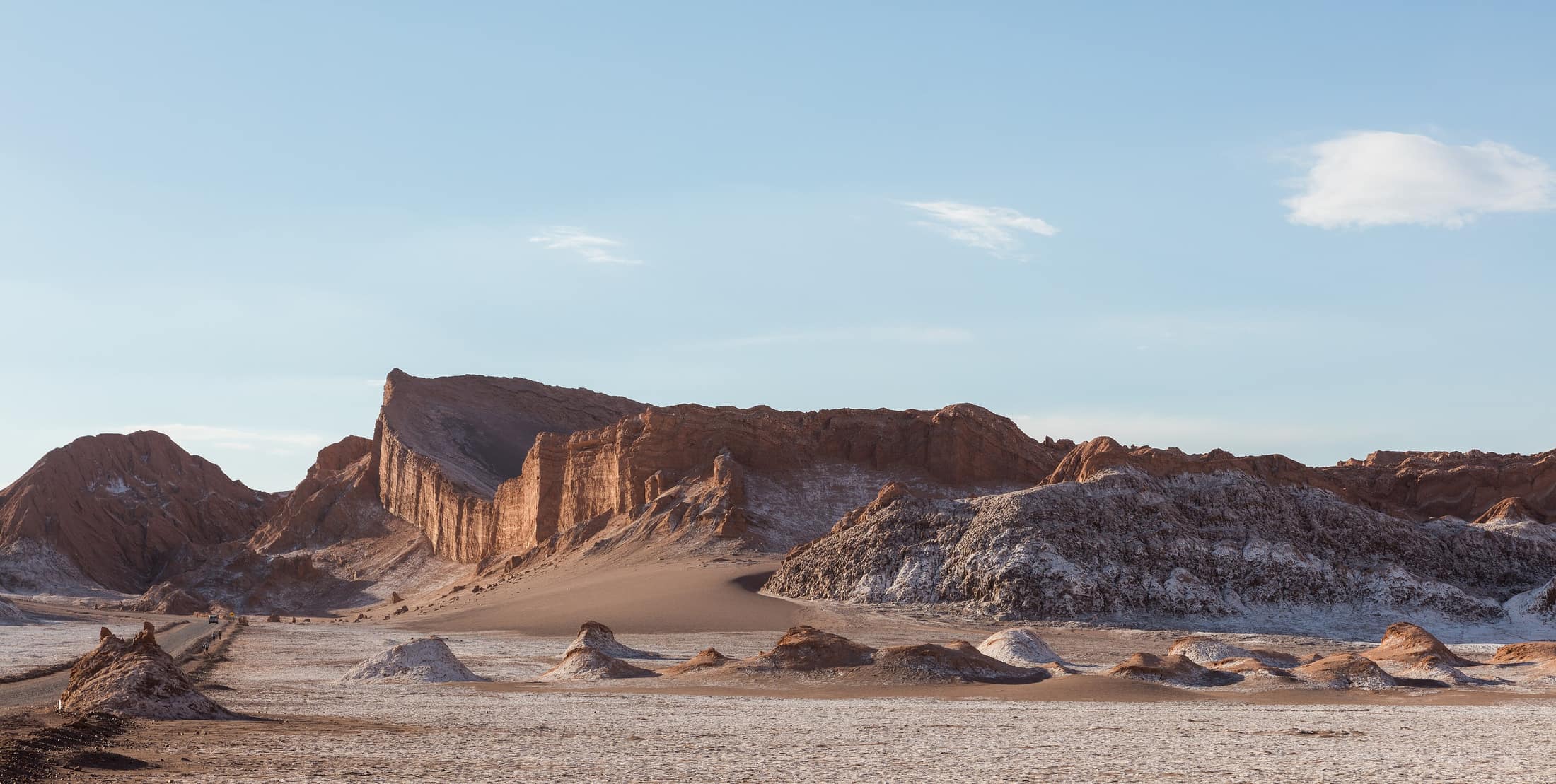
Day 1 sits inside the 1–2 arc titled Calama to San Pedro, acclimatisation. Transfer to San Pedro and two deliberately low days, Valle de la Luna and the Cordillera de la Sal at last light, Quitor and the Catarpe valley on foot. This opening slice sets the logistics and the first read of the ground before the denser days. Arrival and orientation use the published access picture. Tatio, Chaxa, and the altiplanic lagoons are managed by Atacameño communities and charge their own entry. Opening hours are enforced and the geyser field is dawn-only in practice. Elevation context for the programme: San Pedro 2,400 m · altiplano days 4,200–4,600 m. Sleep and walk length are graded against that, not against a generic fitness brochure. Early days protect the later ones. We do not burn the group on a full-length day before the body has met the altitude, heat, or boat rhythm this route actually uses. The geography stacks vertically. San Pedro sits at 2,400 m; the Tatio geyser field runs at 4,320 m; the altiplanic lagoons at Miscanti and Miñiques sit above 4,100 m with Licancabur and Lascar on the skyline. You gain and lose 2,000 m most days, which is the real physical demand of the trip. Geography stays inside San Pedro de Atacama and the Antofagasta altiplano, Chile. Season logic we plan against: Year-round. April to October is the peak astronomy window, with June to August coldest and clearest. December to March is still very good, with a small chance of altiplanic storms shutting a high road for a day. Packing still matters here: Warm layers for below freezing before dawn on the altiplano,.
Day 2
Calama to San Pedro, acclimatisation: continuation
Day 2 sits inside the 1–2 arc titled Calama to San Pedro, acclimatisation. Transfer to San Pedro and two deliberately low days, Valle de la Luna and the Cordillera de la Sal at last light, Quitor and the Catarpe valley on foot. This closing slice of the block consolidates what the earlier days opened, without inventing a new sector. Arrival and orientation use the published access picture. High-altitude roads to Tara and the lagoons close on snow, most often January to March. We hold an alternative day for that. Elevation context for the programme: San Pedro 2,400 m · altiplano days 4,200–4,600 m. Sleep and walk length are graded against that, not against a generic fitness brochure. Early days protect the later ones. We do not burn the group on a full-length day before the body has met the altitude, heat, or boat rhythm this route actually uses. San Pedro sits at 2,400 m; the Tatio geyser field runs at 4,320 m; the altiplanic lagoons at Miscanti and Miñiques sit above 4,100 m with Licancabur and Lascar on the skyline. You gain and lose 2,000 m most days, which is the real physical demand of the trip. Geography stays inside San Pedro de Atacama and the Antofagasta altiplano, Chile. Season logic we plan against: Year-round. April to October is the peak astronomy window, with June to August coldest and clearest. December to March is still very good, with a small chance of altiplanic storms shutting a high road for a day. Packing still matters here: Warm layers for below freezing before dawn on the altiplano, which surprises people who packed for a desert.
Days 3–4
Altiplano: opening
Days 3–4 continue the Altiplano block. Tatio before dawn, Machuca, and the Miscanti and Miñiques lagoons. Puritama hot springs on the way down. Salar de Atacama and the Chaxa flamingo sector at golden hour. This opening slice sets the logistics and the first read of the ground before the denser days. Field days stay inside the ground already described for Chile. Salt, not sand. The Salar de Atacama's crust is a broken, ankle-turning cauliflower of halite that cracks underfoot, with brine pools where Andean, Chilean, and James's flamingos all feed in the same shallows. Tatio, Chaxa, and the altiplanic lagoons are managed by Atacameño communities and charge their own entry. Opening hours are enforced and the geyser field is dawn-only in practice. Private guide and vehicle throughout, with a dedicated astronomy night. Expect a full field day measured in hours on foot, on the water, or in transit between sectors already named above. Private guiding means we can shorten or reorder, not that the underlying constraints disappear. The Atacama is the driest non-polar desert on earth, and some weather stations in its core have gone years without measurable rain. That dryness is why the sky works: it is the reason ALMA and the Paranal observatories sit here, and the reason a moonless night from the Salar de Atacama looks the way it does. Geography stays inside San Pedro de Atacama and the Antofagasta altiplano, Chile. Season logic we plan against: Year-round. April to October is the peak astronomy window, with June to August coldest and clearest. December to March is still very good, with a small chance of altiplanic storms shutting a high road for.
Day 5
Altiplano: continuation
Day 5 sits inside the 3–5 arc titled Altiplano. Tatio before dawn, Machuca, and the Miscanti and Miñiques lagoons. Puritama hot springs on the way down. Salar de Atacama and the Chaxa flamingo sector at golden hour. This closing slice of the block consolidates what the earlier days opened, without inventing a new sector. Field days stay inside the ground already described for Chile. The Atacama is the driest non-polar desert on earth, and some weather stations in its core have gone years without measurable rain. High-altitude roads to Tara and the lagoons close on snow, most often January to March. We hold an alternative day for that. Private guide and vehicle throughout, with a dedicated astronomy night. Expect a full field day measured in hours on foot, on the water, or in transit between sectors already named above. Private guiding means we can shorten or reorder, not that the underlying constraints disappear. That dryness is why the sky works: it is the reason ALMA and the Paranal observatories sit here, and the reason a moonless night from the Salar de Atacama looks the way it does. Geography stays inside San Pedro de Atacama and the Antofagasta altiplano, Chile. Season logic we plan against: Year-round. April to October is the peak astronomy window, with June to August coldest and clearest. December to March is still very good, with a small chance of altiplanic storms shutting a high road for a day. For kit on these days: Warm layers for below freezing before dawn on the altiplano, which surprises people who packed for a desert.
Day 6
Astronomy and high desert: opening
Day 6 sits inside the 6–7 arc titled Astronomy and high desert. A private telescope night away from town light, plus either the Rainbow Valley and Hierbas Buenas petroglyphs or a full day toward Salar de Tara. This opening slice sets the logistics and the first read of the ground before the denser days. Field days stay inside the ground already described for Chile. The geography stacks vertically. Tatio, Chaxa, and the altiplanic lagoons are managed by Atacameño communities and charge their own entry. Opening hours are enforced and the geyser field is dawn-only in practice. Private guide and vehicle throughout, with a dedicated astronomy night. Expect a full field day measured in hours on foot, on the water, or in transit between sectors already named above. Private guiding means we can shorten or reorder, not that the underlying constraints disappear. Salt, not sand. The Salar de Atacama's crust is a broken, ankle-turning cauliflower of halite that cracks underfoot, with brine pools where Andean, Chilean, and James's flamingos all feed in the same shallows. Geography stays inside San Pedro de Atacama and the Antofagasta altiplano, Chile. Season logic we plan against: Year-round. April to October is the peak astronomy window, with June to August coldest and clearest. December to March is still very good, with a small chance of altiplanic storms shutting a high road for a day. For kit on these days: Warm layers for below freezing before dawn on the altiplano, which surprises people who packed for a desert.
Day 7
Astronomy and high desert: continuation
Day 7 sits inside the 6–7 arc titled Astronomy and high desert. A private telescope night away from town light, plus either the Rainbow Valley and Hierbas Buenas petroglyphs or a full day toward Salar de Tara. This closing slice of the block consolidates what the earlier days opened, without inventing a new sector. Field days stay inside the ground already described for Chile. Salt, not sand. The Salar de Atacama's crust is a broken, ankle-turning cauliflower of halite that cracks underfoot, with brine pools where Andean, Chilean, and James's flamingos all feed in the same shallows. High-altitude roads to Tara and the lagoons close on snow, most often January to March. We hold an alternative day for that. Private guide and vehicle throughout, with a dedicated astronomy night. Expect a full field day measured in hours on foot, on the water, or in transit between sectors already named above. Private guiding means we can shorten or reorder, not that the underlying constraints disappear. The Salar de Atacama's crust is a broken, ankle-turning cauliflower of halite that cracks underfoot, with brine pools where Andean, Chilean, and James's flamingos all feed in the same shallows. Geography stays inside San Pedro de Atacama and the Antofagasta altiplano, Chile. Season logic we plan against: Year-round. April to October is the peak astronomy window, with June to August coldest and clearest. December to March is still very good, with a small chance of altiplanic storms shutting a high road for a day. For kit on these days: Warm layers for below freezing before dawn on the altiplano, which surprises people who packed for a desert.
Day 8
Salt and exit: opening
Day 8 sits inside the 8–9 arc titled Salt and exit. Final salar morning, then Calama for the flight south. Onward crossing to Uyuni via Hito Cajón can be added here. This opening slice sets the logistics and the first read of the ground before the denser days. Exit logistics follow the same transfer pattern already built into the programme. High-altitude roads to Tara and the lagoons close on snow, most often January to March. We hold an alternative day for that. International connections should leave buffer after the last field day; late-evening flights only when the ground day is genuinely short. The last day is deliberately lighter where the catalogue allows it, so extraction does not collide with a hard physical ask. The geography stacks vertically. San Pedro sits at 2,400 m; the Tatio geyser field runs at 4,320 m; the altiplanic lagoons at Miscanti and Miñiques sit above 4,100 m with Licancabur and Lascar on the skyline. You gain and lose 2,000 m most days, which is the real physical demand of the trip. Geography stays inside San Pedro de Atacama and the Antofagasta altiplano, Chile. Season logic we plan against: Year-round. April to October is the peak astronomy window, with June to August coldest and clearest. December to March is still very good, with a small chance of altiplanic storms shutting a high road for a day. Packing still matters here: Warm layers for below freezing before dawn on the altiplano, which surprises people who packed for a desert.
Day 9
Salt and exit: continuation
Day 9 sits inside the 8–9 arc titled Salt and exit. Final salar morning, then Calama for the flight south. Onward crossing to Uyuni via Hito Cajón can be added here. This closing slice of the block consolidates what the earlier days opened, without inventing a new sector. Exit logistics follow the same transfer pattern already built into the programme. Tatio, Chaxa, and the altiplanic lagoons are managed by Atacameño communities and charge their own entry. Opening hours are enforced and the geyser field is dawn-only in practice. International connections should leave buffer after the last field day; late-evening flights only when the ground day is genuinely short. The last day is deliberately lighter where the catalogue allows it, so extraction does not collide with a hard physical ask. San Pedro sits at 2,400 m; the Tatio geyser field runs at 4,320 m; the altiplanic lagoons at Miscanti and Miñiques sit above 4,100 m with Licancabur and Lascar on the skyline. You gain and lose 2,000 m most days, which is the real physical demand of the trip. Geography stays inside San Pedro de Atacama and the Antofagasta altiplano, Chile. Season logic we plan against: Year-round. April to October is the peak astronomy window, with June to August coldest and clearest. December to March is still very good, with a small chance of altiplanic storms shutting a high road for a day. Packing still matters here: Warm layers for below freezing before dawn on the altiplano, which surprises people who packed for a desert.
Conditions
Extreme diurnal swing. San Pedro runs 22–27 °C by day and can drop near freezing before dawn; the altiplano sits below zero at sunrise year-round. UV is punishing at altitude and there is almost no shade. Altiplanic winter storms can close high roads briefly between December and March.
Fitness bar
Moderate. Walks are short to medium but happen between 2,400 m and 4,600 m, often with an early start. If you have not been above 3,500 m before, the Tatio morning will tell you about it. Nothing technical.
Best months
Year-round. April to October is the peak astronomy window, with June to August coldest and clearest. December to March is still very good, with a small chance of altiplanic storms shutting a high road for a day.
Private or small group
Private guide and vehicle throughout, with a dedicated astronomy night. Hotel-based in San Pedro. Small-group departures up to eight.
What to bring
Warm layers for below freezing before dawn on the altiplano, which surprises people who packed for a desert. Serious sun protection, lip balm you will use, and sunglasses with side coverage against salt glare. Closed trekking shoes for the salar crust.
Deserts, Salt & Tablelands
Access and permits
The constraints that actually decide whether a date is possible.
- Tatio, Chaxa, and the altiplanic lagoons are managed by Atacameño communities and charge their own entry. Opening hours are enforced and the geyser field is dawn-only in practice.
- High-altitude roads to Tara and the lagoons close on snow, most often January to March. We hold an alternative day for that.
Included
- Private guide and 4x4 with driver for all excursions
- All reserve and community entry fees, Tatio, Chaxa, Miscanti, Valle de la Luna
- Private astronomy session with telescopes and an astronomer
- Hotel in San Pedro with all meals, and Calama airport transfers
- Oxygen in the vehicle on all altiplano days
Not included
- Flights to and from Calama
- Bolivia crossing and Uyuni extension unless added
- Sandboarding, horse riding, and other optional add-ons
- Personal insurance, including medical and evacuation cover
- Tips for guides and lodge staff, which remain optional and separate
What the price reflects
Nine days at $6,800–9,800 sits in the same band as the established explorer and relais lodges around San Pedro once private guiding and a private astronomy night are included. Lower-cost group excursions out of San Pedro exist and are perfectly good; this is not that product. What moves a quote inside that picture is party size, season, and the lodge or camp class actually available for your dates. Private guide and vehicle throughout, with a dedicated astronomy night. Hotel-based in San Pedro. Small-group departures up to eight. On the included side, the band already assumes items such as: Private guide and 4x4 with driver for all excursions; All reserve and community entry fees, Tatio, Chaxa, Miscanti, Valle de la Luna; Private astronomy session with telescopes and an astronomer. Still outside the band unless we write them in: Flights to and from Calama; Bolivia crossing and Uyuni extension unless added; Sandboarding, horse riding, and other optional add-ons. Nothing is confirmed until it is confirmed in writing.
- Party size
- Per-person cost usually falls as the private team is shared across more guests, up to the format limit implied by the guiding and lodge picture. Private guide and vehicle throughout, with a dedicated astronomy night.
- Season and dates
- Window on the card: Year-round. Planning note: Year-round. April to October is the peak astronomy window, with June to August coldest and clearest. December to March is still very good, with a small chance of altiplanic storms shutting a high road for a day. Peak dates inside that window tighten lodge and permit availability, which is what usually pushes a quote toward the top of a published band.
- Lodge or camp class
- Accommodation in the band reflects: Hotel in San Pedro with all meals, and Calama airport transfers. Moving up or down a class, or shifting to a scarcer property, changes the quote without changing the route.
- Internal transport
- Transfers and regional legs follow the trip design. Watch for: Flights to and from Calama. Charter or peak-season domestic seats, where they apply, sit outside a simple road transfer.
- Permits and access
- Access cost tracks what the ground already requires. All reserve and community entry fees, Tatio, Chaxa, Miscanti, Valle de la Luna We do not invent fee figures beyond what the catalogue already states.
- Outside the band
- Not assumed unless written in: Flights to and from Calama; Bolivia crossing and Uyuni extension unless added; Sandboarding, horse riding, and other optional add-ons.
Bands are per person sharing and move with party size, season, and lodge choice. Nothing is confirmed until it is confirmed in writing. How we price.
Where this is
San Pedro de Atacama and the Antofagasta altiplano, Chile.
Elevation: San Pedro 2,400 m · altiplano days 4,200–4,600 m. Season as published: Year-round; peak astronomy Apr–Oct (coldest clearest Jun–Aug). Difficulty as assessed: Moderate.
What we checked
Seasons, altitudes, permits, and caps on this page were checked against park authorities, monitoring agencies, and operators on the ground. Where a fact changes with the year, we say so rather than round it off.
Near this
Same terrain, different week
Chile
Patagonia Edge Circuit
Torres del Paine & Última Esperanza
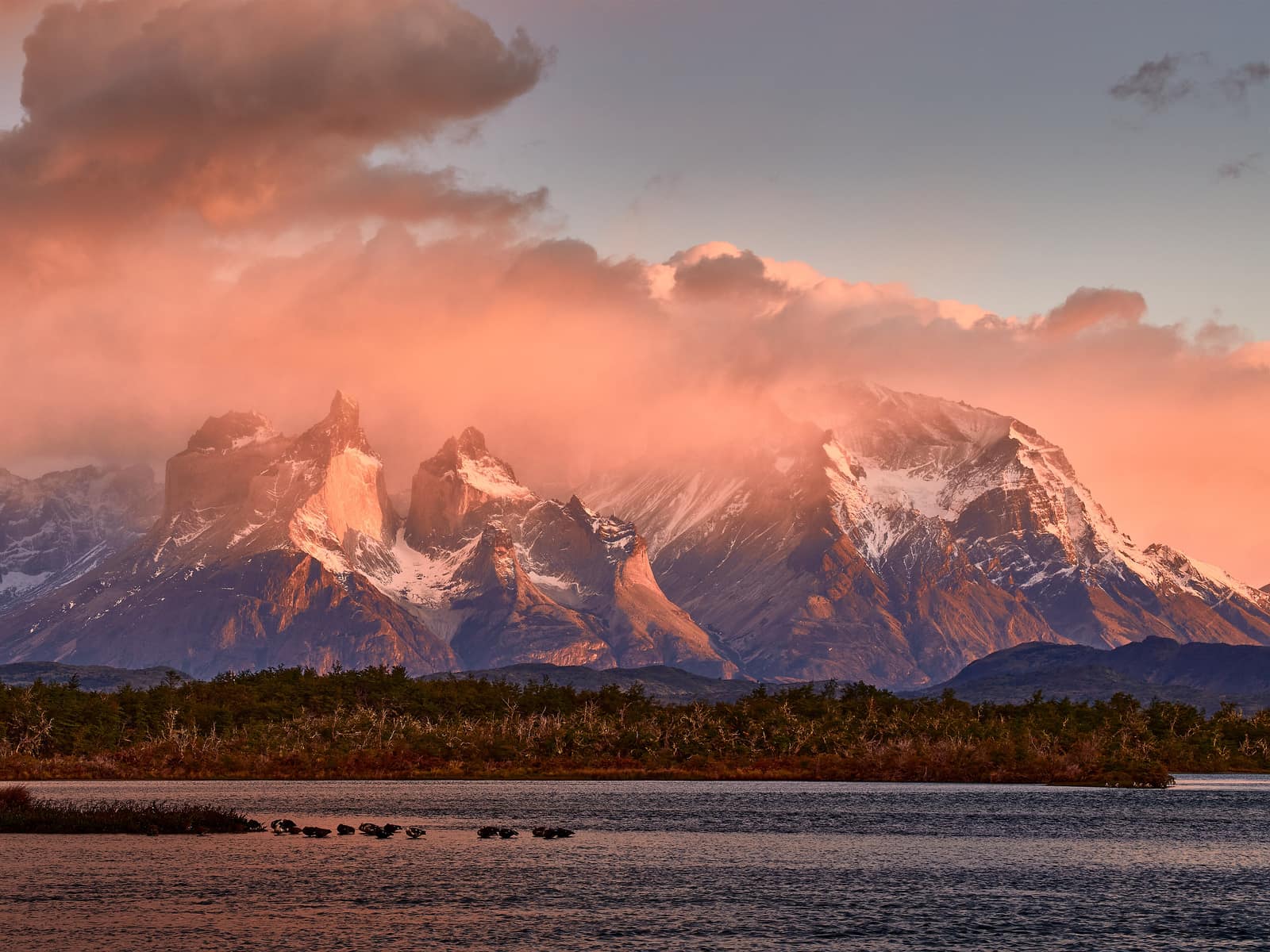
Wind scours granite towers while glacial lakes flash turquoise under fast cloud. Each day closes with firelight and the sound of ice calving far off.
- Duration
- 12 days
- Effort
- Challenging
- Window
- Oct–Apr
$9,500–$18,000
Detail →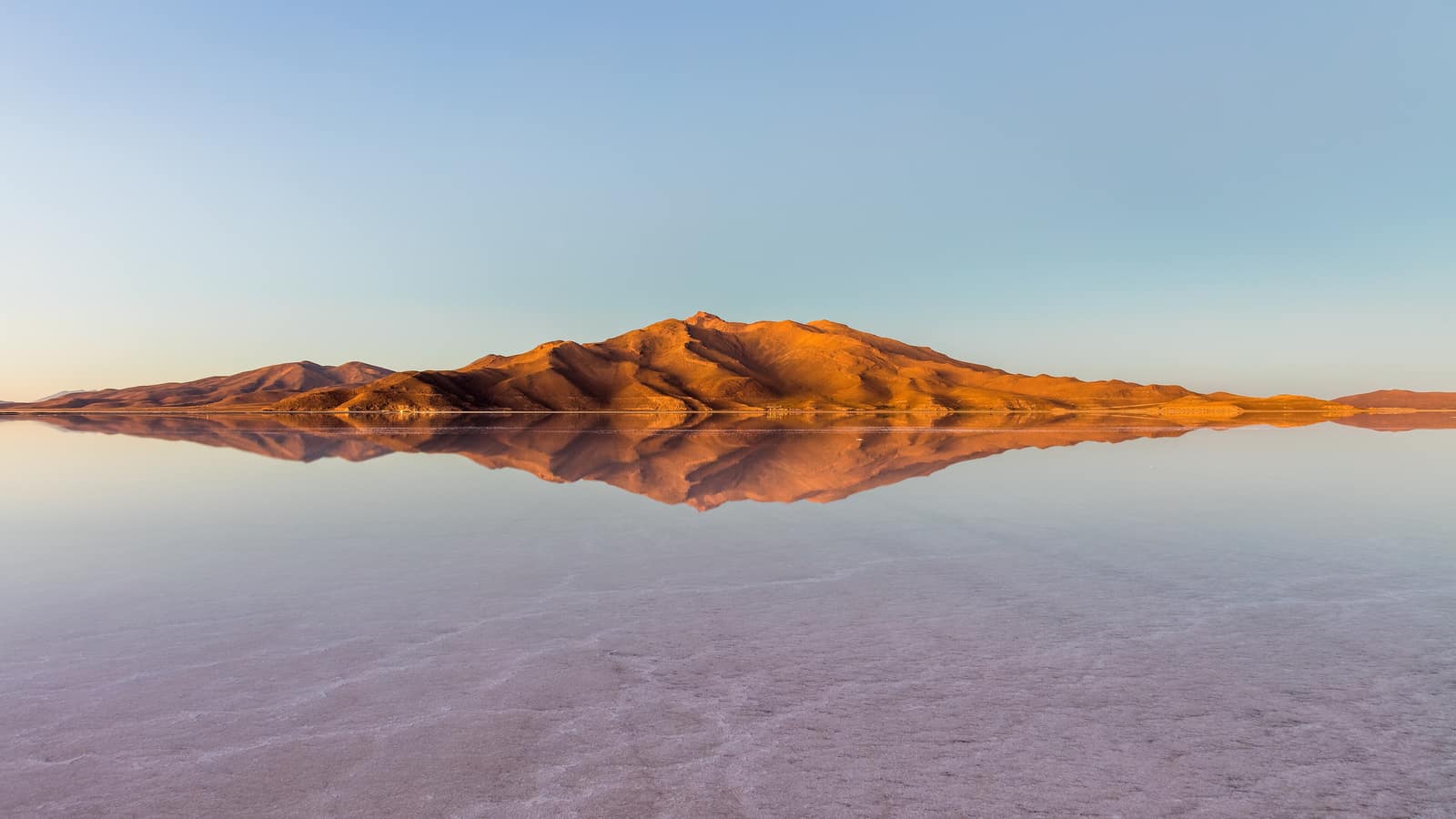
Bolivia
Uyuni Salt Sky Crossing
Salar de Uyuni & Sud Lípez
In the dry months the hexagonal salt crust runs to the horizon; in the rains a thin sheet of water turns the salar into sky. Colored lagoons hold flamingos; nights freeze hard under thin air.
- Duration
- 8 days
- Effort
- Moderate
- Window
- May–Oct (dry) · Jan–Mar (mirror)
$5,500–$8,500
Detail →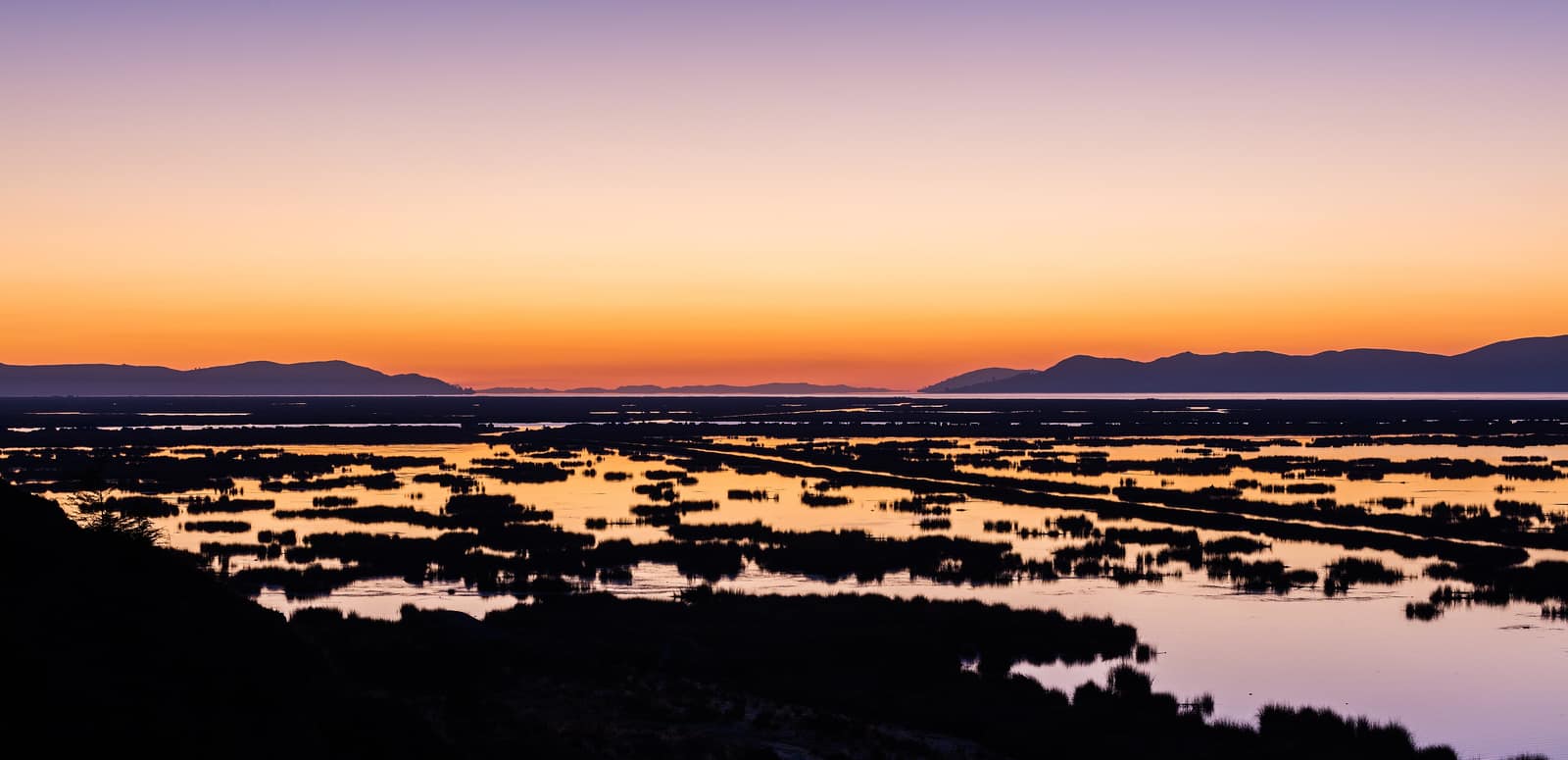
Bolivia
Lake Titicaca Island Circuit
Lago Titicaca & Isla del Sol (Bolivia)
Inca paths ring the islands of the highest lake that working boats still cross. Thin light turns the water silver; a few reed craft hold on among the fibreglass.
- Duration
- 6 days
- Effort
- Easy
- Window
- Apr–Oct
$4,500–$6,800
Detail →From the ground
Frames from this route family and country — not a studio set, and not a promise of identical weather.